Structural Damage: Signs, Causes, and How to Fix It
When your home starts showing signs of structural damage, physical weakening of a building’s load-bearing elements that threatens safety and stability. Also known as foundation failure, it’s not just about aesthetics—it’s about whether your house can keep standing. Many people ignore the first warnings, thinking it’s just "settling." But real structural damage doesn’t go away on its own. It gets worse. And it’s not always obvious.
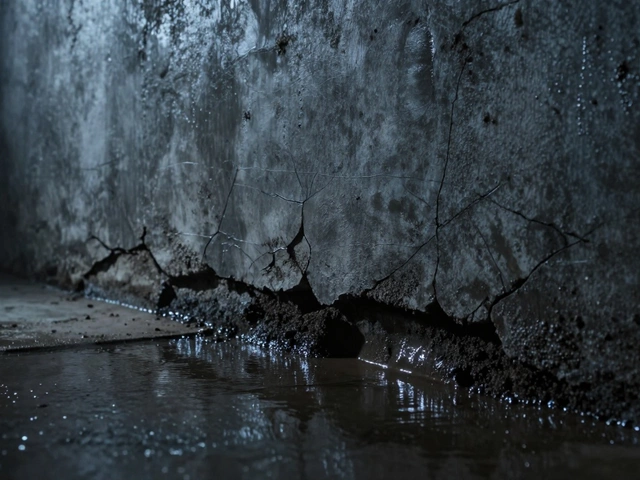
Look for foundation cracks, visible gaps or splits in concrete or masonry that extend beyond surface-level hairline fractures—especially if they’re wider than a quarter-inch, diagonal, or running from the floor up the wall. Building settlement, the gradual sinking or shifting of a structure’s foundation due to soil movement or poor support is a common cause, especially in homes built on clay soil or near water sources. You might notice doors that stick for no reason, windows that won’t close properly, or floors that slope noticeably. These aren’t just annoyances—they’re red flags. And if you’ve seen posts about house settlement after 20 years, that’s not a myth. Soil changes, water leaks, tree roots, or even nearby construction can trigger movement decades after a home is built.
What’s often missed is how structural integrity, the ability of a building’s framework to safely carry its intended loads without failure ties into everyday choices. A poorly installed drain, a leaking pipe under the slab, or even an overloaded deck can shift weight distribution and start a chain reaction. You don’t need to wait for a wall to crack open to act. Early detection saves money—and sometimes, your home. The posts below cover real cases: how cracks form, what repair methods actually work (and which ones are scams), when to call a pro versus when you can fix it yourself, and how to prevent future issues before they turn into full-blown disasters.
Whether you’re noticing a new gap near your chimney, your basement walls are bowing, or you’re just worried after seeing a neighbor’s foundation get repaired, you’re not alone. Below, you’ll find practical guides based on real repairs, cost breakdowns, and warning signs that most homeowners miss until it’s too late. No theory. No guesswork. Just what to look for—and what to do next.
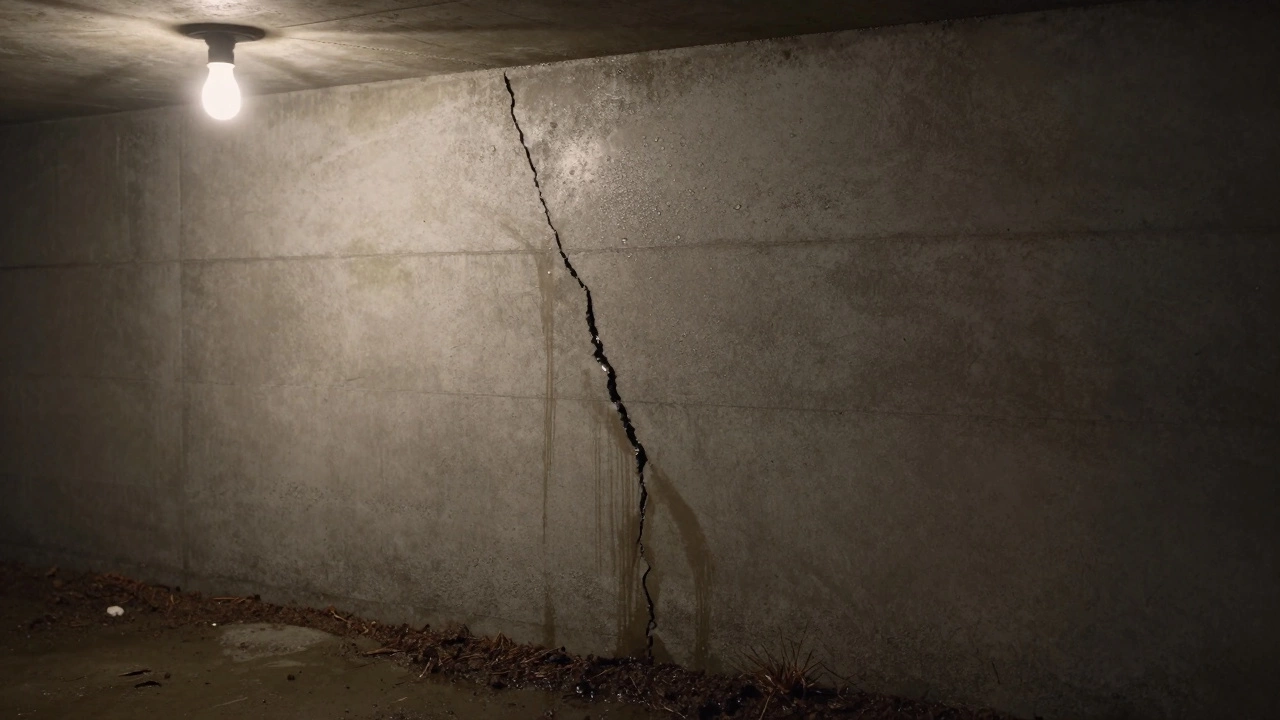
What Happens If You Don't Fix a Foundation Crack?
Ignoring a foundation crack can lead to water damage, structural shifts, mold, plumbing failure, and even partial collapse. In Auckland’s wet climate, small cracks worsen quickly-repairing early saves thousands and protects your home’s value.
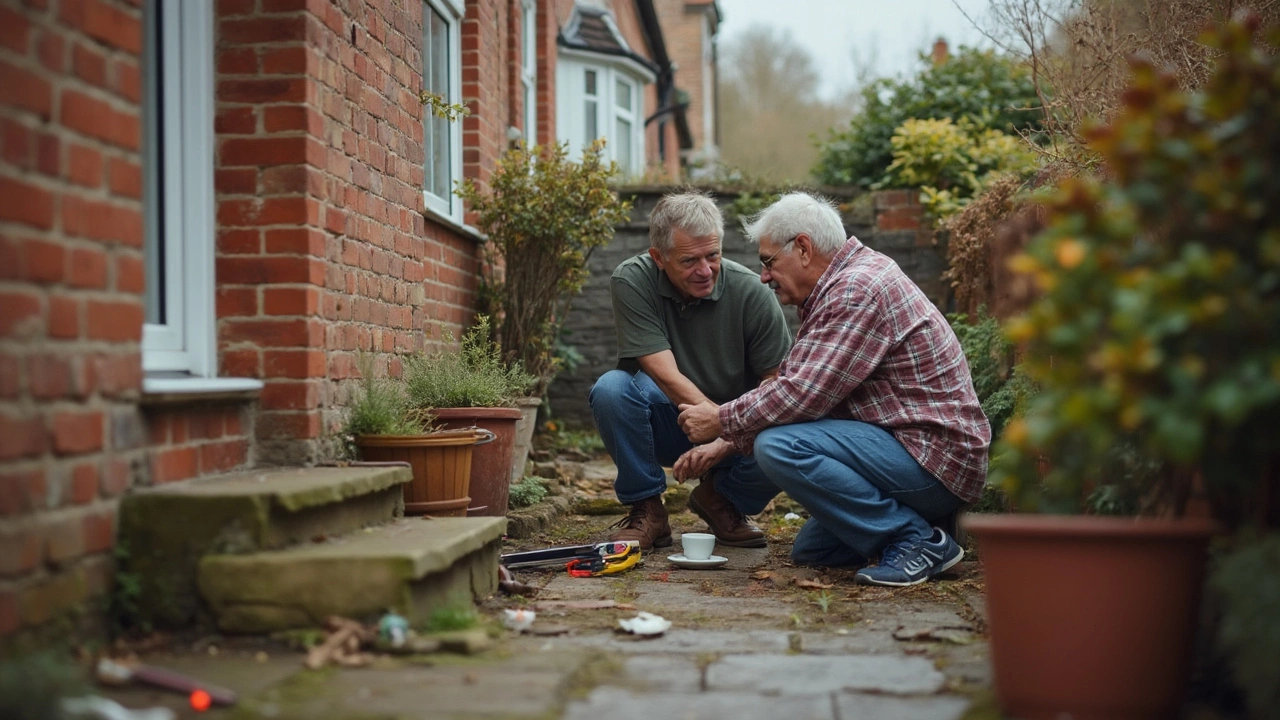
Foundation Crack Repair: Can You Really Do It Yourself?
Thinking about tackling that crack in your foundation solo? This article breaks down when a DIY fix is smart, when you should call in the experts, and what goes into a solid foundation crack repair. Get tips, real warnings, and straight answers about which cracks you can handle, which ones to skip, and what tools you’ll need if you go for it. Expect practical guidance that saves you time, money, and a headache later on.
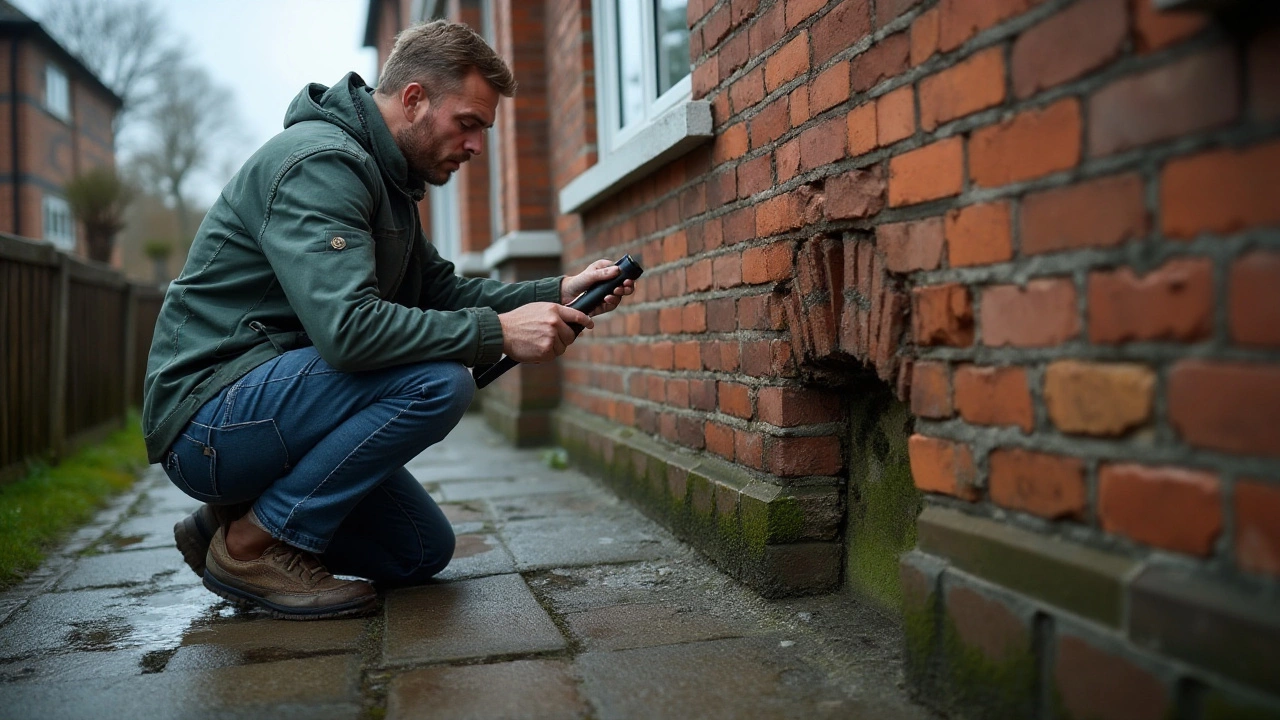
Identifying Water Damage in Your Home's Foundation
Water damage to a home's foundation can lead to significant structural issues if not identified and addressed promptly. This article explores the signs of water damage, what causes it, and the potential consequences if left untreated. Readers will also find tips on preventative measures and when to consult a professional. Recognizing and responding to these early signs can save homeowners from potential costly repairs.