Structural Integrity: What It Means and Why It Matters in Home Construction
When we talk about structural integrity, the ability of a building to support its own weight and resist forces like wind, ground movement, and daily use without failing. It’s not just a term builders use—it’s what keeps your ceiling from sagging, your walls from cracking, and your floors from groaning underfoot. Without it, even the prettiest kitchen or most stylish bedroom won’t matter. A house can look perfect on the outside but still be unsafe inside if its bones are weak.
Foundation movement, the slow shifting of a home’s base due to soil changes, water damage, or poor construction, is one of the biggest threats to structural integrity. You might notice it in diagonal cracks near windows, doors that stick for no reason, or floors that slope slightly. These aren’t just cosmetic issues—they’re warning signs. And yes, a house can still settle after 20 years. Soil dries out, pipes leak, trees grow roots nearby, and even small shifts add up over time. That’s why knowing what materials hold up under pressure matters. Construction materials, the physical components like steel, concrete, timber, and engineered lumber used to build a structure aren’t just about cost—they’re about longevity. Cheap drywall won’t save you if the framing underneath isn’t strong enough.
Building codes, local rules that set minimum safety standards for how homes are built exist for one reason: to protect you. They don’t dictate style or color—they dictate load limits, beam sizes, foundation depth, and how much weight walls can carry. Skipping inspections or cutting corners to save money doesn’t just break the law—it breaks trust in your home’s safety. That’s why every post in this collection ties back to real, measurable risks: from how bathroom tiling affects wall support, to why new builds sometimes fail where older homes hold strong, to how commercial building standards differ from residential ones because the stakes are higher when hundreds of people walk through a space daily.
What you’ll find here isn’t theory. It’s what happens when structural integrity is ignored—or when it’s done right. From spotting early signs of house settlement to understanding why certain materials are used in foundations, these posts give you the facts you need to ask the right questions before you sign a contract, start a renovation, or buy a home. This isn’t about scare tactics. It’s about knowing what holds your home together—and making sure it never lets go.
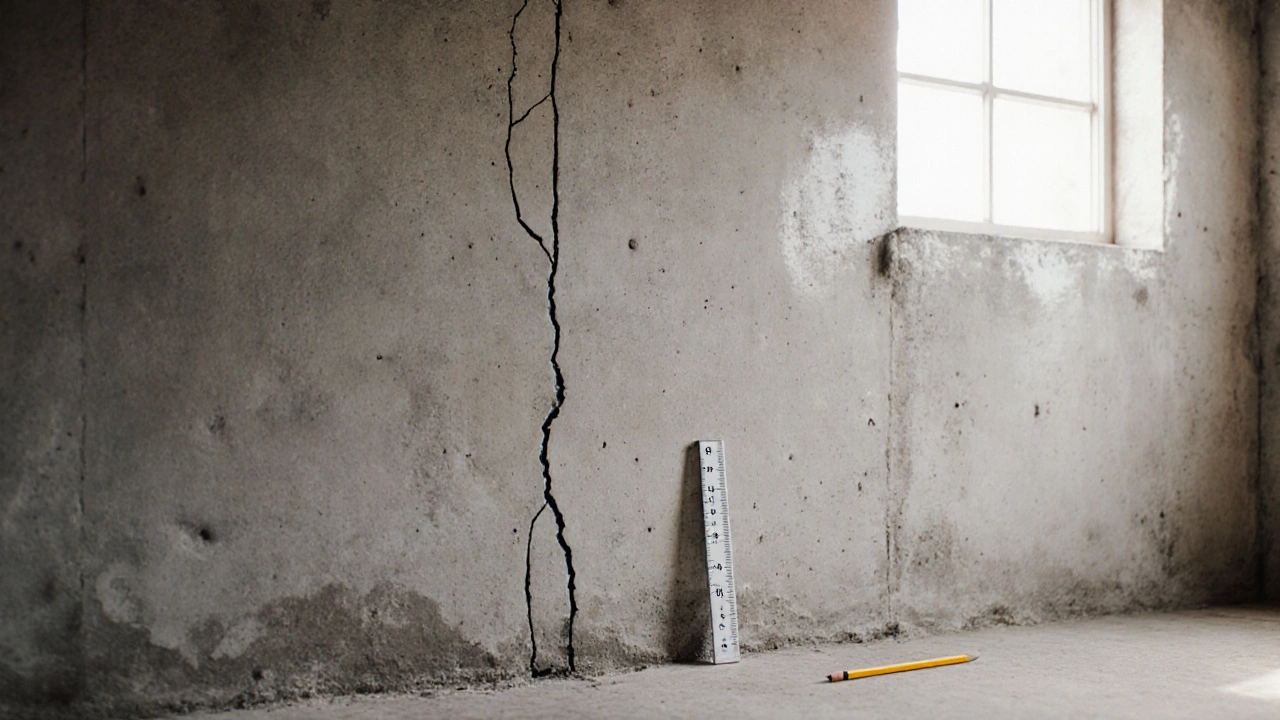
Can You Live in a House with a Cracked Foundation? What You Need to Know Now
Living with a cracked foundation is possible-but only if you know the difference between harmless cracks and dangerous structural damage. Learn the signs, costs, and when to act before it's too late.
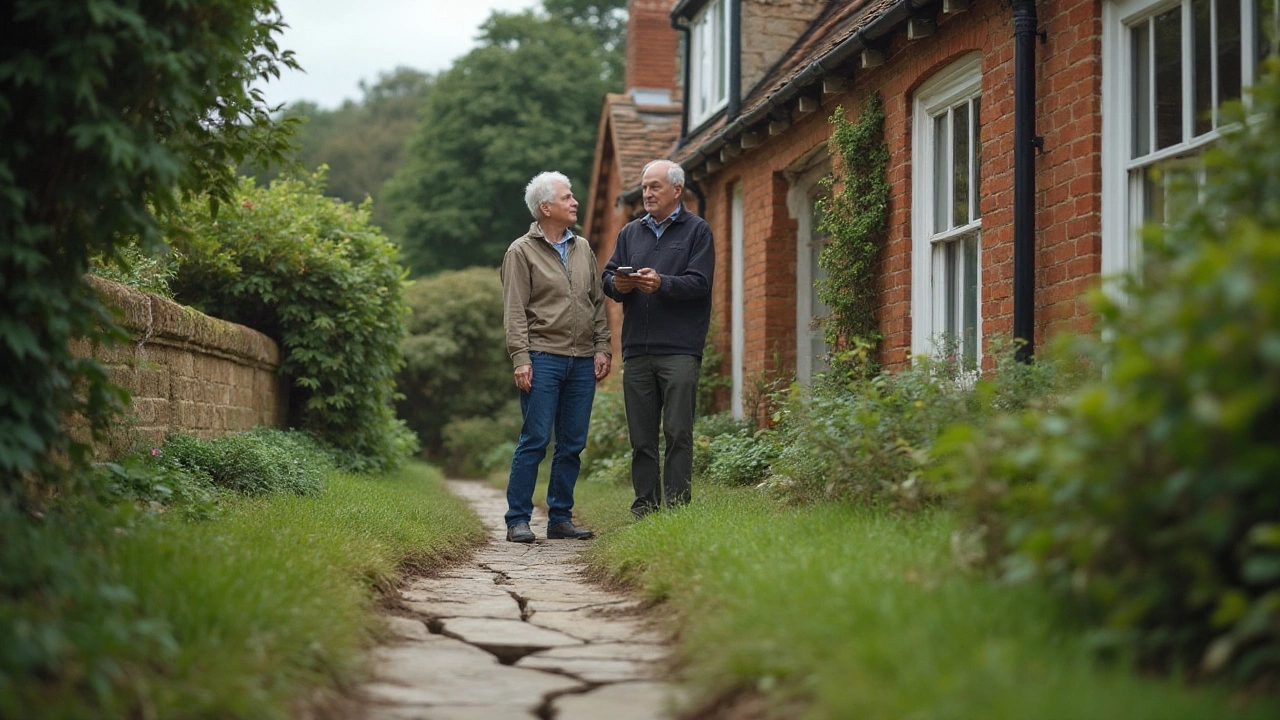
Understanding Foundation Settling: What Homeowners Need To Know
Foundation settling is a process most homes go through, raising concerns for homeowners who fear costly repairs. This article explores what foundation settling means, distinguishing between normal settling and problems that require attention. Readers will learn how to spot potential issues early and simple preventive measures to keep their foundation in good shape. Dive in to understand the natural occurrence of settling and when to raise the flag for repairs.
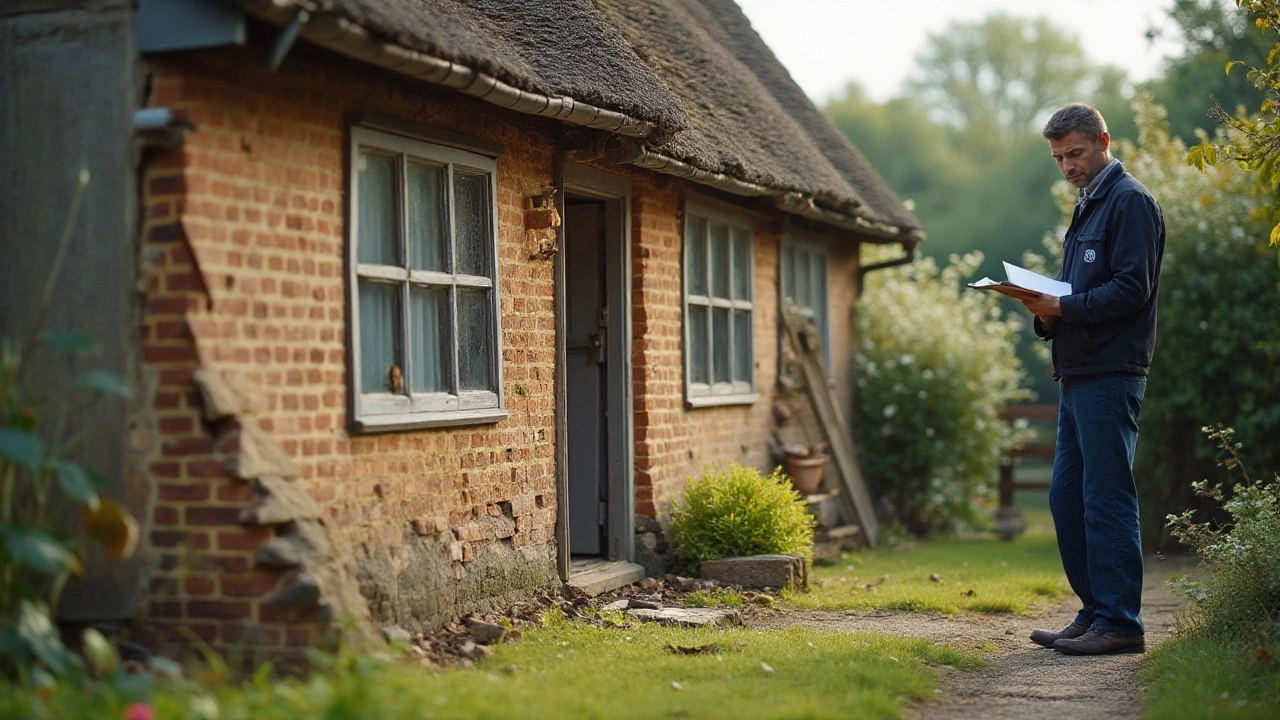
Saving Homes with Failing Foundations: A Comprehensive Guide
A damaged foundation can spell serious trouble for any home, leading to structural vulnerabilities and potential safety hazards. This article delves into whether a house with a bad foundation can indeed be saved, exploring both warning signs and repair options. Readers will gain insights into the critical importance of early detection and the variety of solutions available, from partial repairs to complete overhauls. By understanding the intricacies of foundation issues, homeowners can make informed decisions on protecting their investment. Emphasis is placed on practical tips and real-world examples to illustrate potential outcomes.