Unconvertible Lofts: Why Some Attics Can't Become Living Space
When you think of turning your attic into a cozy bedroom or home office, you might picture sunlight streaming through dormer windows and a sleek staircase leading up. But not every loft can make that leap. An unconvertible loft, a roof space that legally or structurally cannot be transformed into usable living area isn’t just a disappointment—it’s a reality for many UK homes. These lofts are stuck in limbo, not because of poor taste or lack of vision, but because of hard limits: low headroom, weak floor joists, or building codes that won’t bend. You can paint the walls, add insulation, even install skylights—but if the structure doesn’t support it, you’re not upgrading. You’re risking safety.
What makes a loft unconvertible? It’s usually a mix of building regulations, the legal standards that govern how spaces are modified in the UK, and structural constraints, physical limitations like sloped ceilings, load-bearing walls, or outdated timber framing. In the UK, a habitable room needs at least 2.2 meters of clear headroom in the central area. Many older homes have peaks that drop to 1.6 meters near the eaves. That’s not just tight—it’s illegal for sleeping or living. Then there’s the floor. Older lofts were never meant to hold people, furniture, or water tanks. If the joists are thin, spaced too far apart, or rotting, reinforcing them can cost more than a small extension. And sometimes, the roof shape itself—like a steep gable or a trussed roof—blocks any chance of adding stairs or windows without tearing down half the structure.
It’s not just about space. You also need access. A narrow, winding ladder won’t cut it for a bedroom or bathroom. Building regs require a proper staircase with a minimum width, handrails, and consistent step height. If your loft entrance is tucked behind a closet or above a narrow hallway, you’re not just fighting design—you’re fighting the law. Even if you get planning permission, the fire safety rules kick in: escape routes, smoke alarms, fire doors. Many unconvertible lofts can’t meet these without major rewiring, new walls, or altering the home’s layout entirely. And that’s where most projects die—not from lack of desire, but from cost and complexity.
So what do you do if your loft is off-limits? You don’t have to give up. Some homeowners add a mezzanine level below the loft, creating a raised study or reading nook. Others use the space for storage with smart shelving and lighting—making it useful without breaking rules. A few even reconfigure the floor below to free up space for a new room elsewhere. The point isn’t to force the impossible. It’s to work with what’s actually possible. The posts below show real cases where people faced unconvertible lofts, what they tried, what failed, and what actually worked. You’ll see how others turned dead space into something valuable—without risking their home’s safety or their budget.
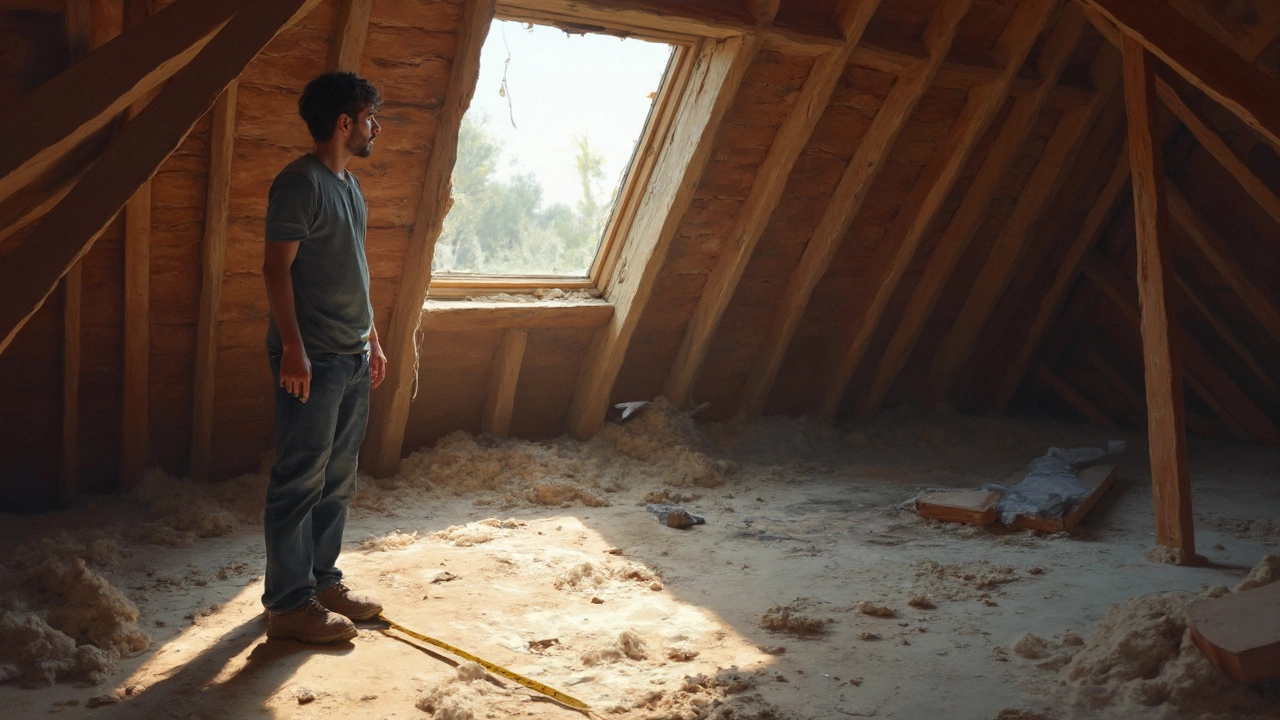
What Lofts Cannot Be Converted? A Practical Look at Loft Conversion Limits
Not every loft can become your next cool hangout or spare bedroom. Some lofts fail basic checks for space, structure, or planning rules. This article breaks down which lofts are off-limits for conversions and why. If your attic looks dreamy but comes with hidden hurdles, you'll find out here. Plus, get tips on spotting red flags and what to do if your loft doesn’t make the cut.