Exterior Paint ROI & Value Calculator
Valuation Estimate
Color Name
Analysis text goes here.
Picture this: you’ve spent months renovating the kitchen, upgrading the bathrooms, and fixing the roof. You list the house for sale, expecting a premium price. But then, a potential buyer drives by, glances at the front door, and keeps driving. Why? Because that bright orange siding or dark purple trim they saw didn’t signal “well-maintained home.” It signaled “personal taste I might not like.”
The truth is, exterior paint color is one of the most cost-effective ways to boost your home’s market value. It’s not just about aesthetics; it’s about psychology, local architecture norms, and perceived maintenance. In Auckland, where weather changes rapidly and architectural styles range from classic Victorian to modern minimalist, getting the color right can mean the difference between a quick sale and a lingering listing.
The Science of Curb Appeal
Curb appeal isn’t just a buzzword. It’s the first impression a buyer has of your property, often formed within seconds. Studies in environmental psychology show that humans judge buildings based on symmetry, cleanliness, and color harmony before they even step inside. A well-chosen exterior color palette signals care and attention to detail. Conversely, clashing colors or overly bold hues can trigger subconscious warnings about hidden maintenance issues.
When we talk about adding value, we’re talking about two things: faster sales and higher offers. Neutral exteriors tend to sell 7% faster than homes with unconventional colors, according to data from major real estate platforms. That speed alone saves you thousands in holding costs-mortgage payments, insurance, and utilities while the house sits empty.
But here’s the catch: “neutral” doesn’t mean boring beige. It means colors that complement the natural surroundings and architectural style of your neighborhood. In leafy suburbs, earth tones blend seamlessly. In coastal areas, crisp whites and soft grays reflect light and feel airy. Matching your home to its context makes it look like it belongs there, which buyers love.
Top Colors That Boost Home Value
If you want specific recommendations, start with these proven winners:
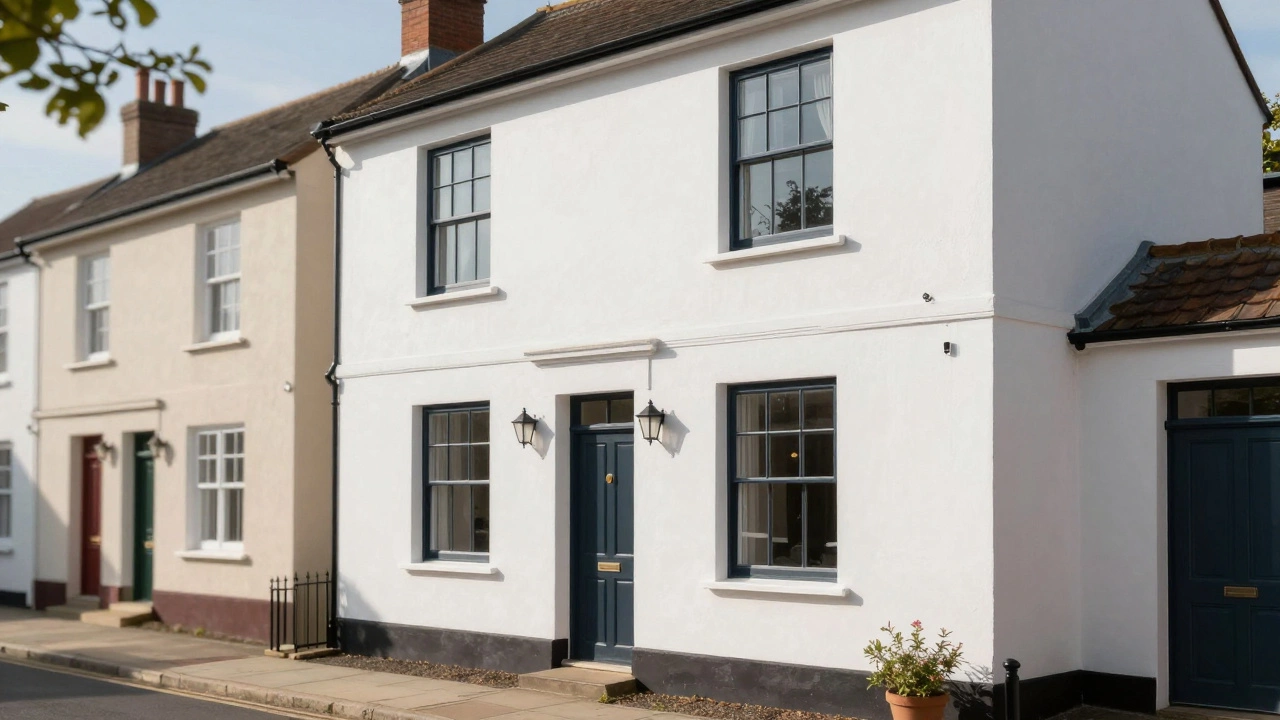
- Warm White is a versatile exterior shade that reflects sunlight, making homes appear larger and cleaner. It works on almost any architectural style, from Craftsman to Contemporary.
- Soft Gray is a modern neutral that pairs well with black fixtures and wood accents. It’s especially popular in urban settings and appeals to younger buyers.
- Slate Blue is a muted blue-gray that adds character without being overwhelming. It works beautifully on cottage-style homes or those with white trim.
- Deep Charcoal is a dramatic choice for modern homes with clean lines. Use it sparingly-perhaps on garage doors or shutters-to add contrast without losing resale appeal.
- Earthy Olive is a green-toned neutral that blends into garden-heavy neighborhoods. It feels organic and calming, perfect for homes surrounded by trees.
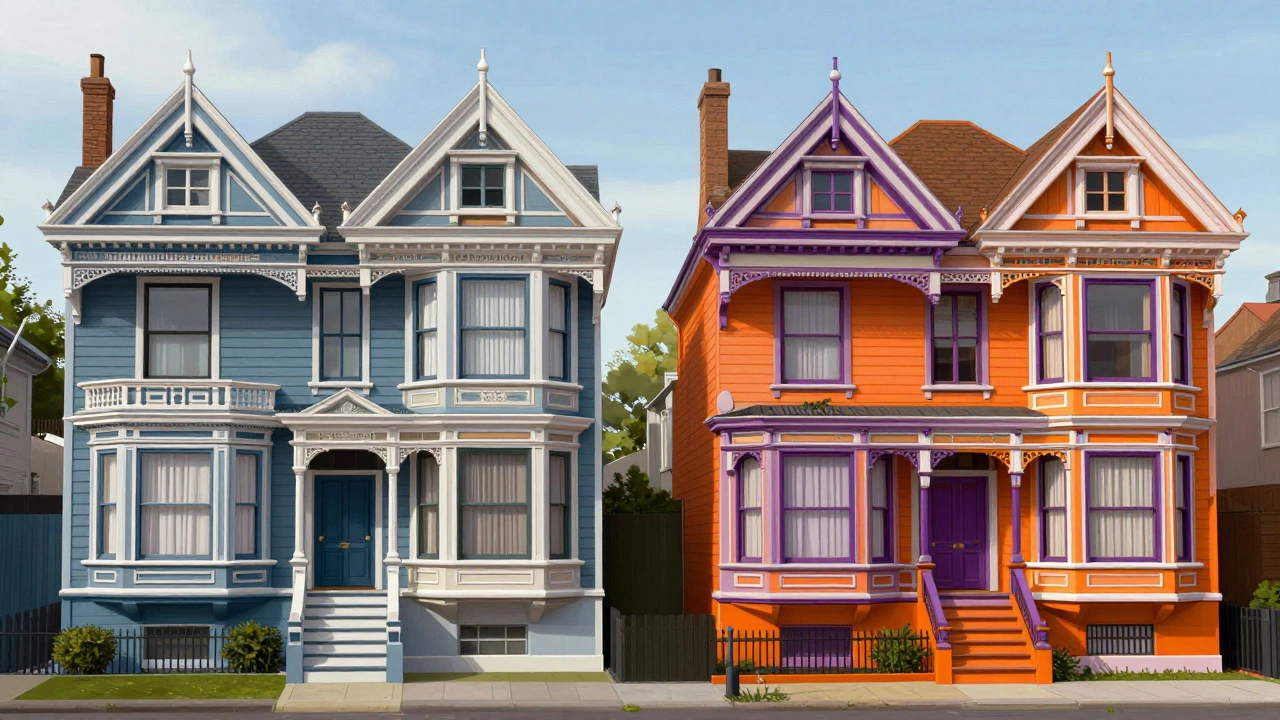
Avoid neon shades, stark blacks (unless it’s a very small accent), and anything that clashes with neighboring houses. Your goal is to stand out positively, not negatively.
| Color Family | Best For | Buyer Appeal | Maintenance Perception |
|---|---|---|---|
| Whites & Creams | All styles | High | Low (shows dirt easily) |
| Grays | Modern/Urban | Very High | Medium |
| Blues/Greens | Cottage/Coastal | Medium-High | Low |
| Browns/Tans | Rustic/Suburban | Medium | Low |
| Bold Colors | Unique Homes | Low | High (assumed neglect) |
How Architecture Dictates Color Choice
Your home’s architectural style should guide your color decisions. A Victorian home painted in flat gray will look wrong. A mid-century modern house in pastel pink might confuse buyers. Each style has an expected color palette rooted in history and design principles.
For example, Colonial homes traditionally use white siding with dark shutters. This combination screams “classic” and appeals to buyers looking for timeless elegance. Tudor-style homes often feature half-timbering, so warm browns and creams mimic the original timber-and-plaster look. Modernist homes thrive on monochromatic schemes-think all-white walls with black window frames.
In Auckland, many older homes have been updated with contemporary materials. If your home mixes old brick with new glass extensions, choose a unifying color that bridges the gap. A soft taupe or greige can tie disparate elements together, making the renovation look intentional rather than haphazard.
The Role of Trim and Accents
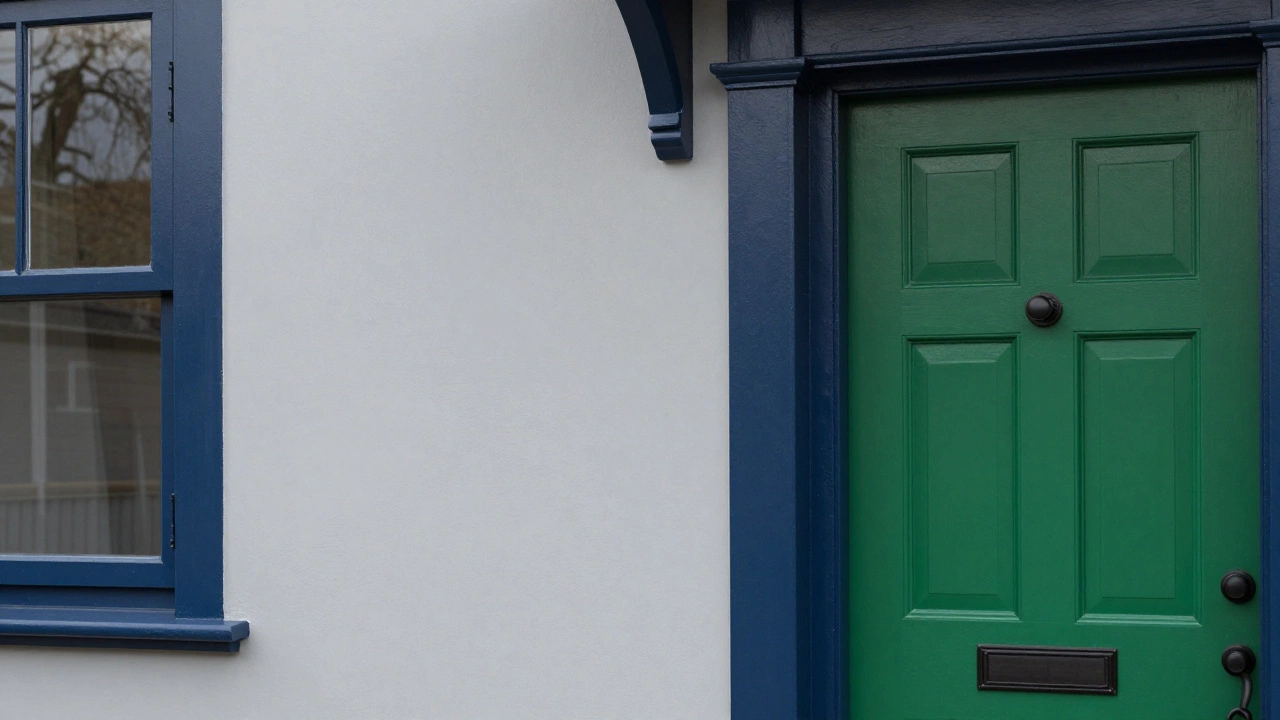
Trim color is just as important as the main body color. Crisp white trim against a darker wall creates definition and highlights architectural details like columns, eaves, and window frames. Dark trim on a light background adds sophistication but can make errors in painting more visible.
Consider the front door too. While the rest of the house should be neutral, the door is your chance to add personality. A deep red, navy blue, or forest green door draws the eye and invites people in. Just keep it proportional-a bold door on a subtle facade works. A bold door on a chaotic facade overwhelms.
Also think about hardware. Black hinges, handles, and mailbox posts pair nicely with gray or white exteriors. Brass or bronze finishes go well with warmer tones like olive or tan. Consistency here matters more than you’d expect.
Local Context Matters
No matter how beautiful a color is, if it clashes with your street, it hurts resale value. Buyers don’t want their home to look like an alien spaceship parked next to suburban bungalows. Check your local council guidelines-some areas have restrictions on exterior colors to preserve neighborhood character.
In Auckland’s heritage zones, you may need approval for certain colors. Even outside regulated areas, observe what your neighbors are doing. If everyone uses similar palettes, joining them reduces risk. If your street is diverse, lean toward timeless neutrals that won’t date quickly.
Seasonal lighting also affects perception. In New Zealand’s southern hemisphere, winter light is softer and cooler. Colors that look vibrant in summer may appear dull in June. Test samples at different times of day and across seasons before committing.
Common Mistakes That Lower Value
Even good intentions can backfire. Here are pitfalls to avoid:
- Painting over peeling surfaces without proper prep. Buyers see through cheap fixes.
- Using glossy paint on large surfaces. Matte or satin finishes hide imperfections better.
- Ignoring roof and gutter colors. They should complement, not compete, with the walls.
- Choosing trendy colors. What’s hot today may be dated in five years.
- Skipping sample testing. Paint looks different on paper, in-store, and on your actual wall.
One pro tip: hire a professional painter who understands color theory. Their expertise ensures even application and correct undertones, which DIY efforts often miss.
ROI Breakdown: Is It Worth It?
Let’s get practical. Painting your entire exterior costs between $3,000 and $8,000 depending on size and condition. In return, you could gain $15,000-$30,000 in added equity through faster sales and higher offers. That’s a 3x to 6x return on investment.
Compare that to other upgrades: a full kitchen remodel might cost $20,000+ and only recoup 60-70%. Landscaping yields returns but requires ongoing maintenance. Exterior paint is low-effort, high-impact, and universally appreciated.
Plus, fresh paint protects your home from moisture, UV damage, and rot-especially critical in Auckland’s humid climate. So you’re not just boosting value; you’re preserving structure.
What is the best exterior color for resale value?
Warm white, soft gray, and slate blue are consistently top performers. They appeal to broad audiences, complement various architectures, and signal cleanliness and care.
Can bold colors increase home value?
Rarely. Bold colors limit your buyer pool. Exceptions include unique properties in artistic communities or historic districts where character is valued over conformity.
How much does exterior painting add to home value?
On average, $15,000-$30,000 in increased equity, plus faster sales reducing carrying costs. Exact figures depend on location, home size, and market conditions.
Should I match my neighbor's exterior color?
Not exactly, but aim for harmony. Use similar tones or complementary shades. Clashing colors reduce curb appeal; cohesive streetscapes enhance community value.
Does paint finish affect home value?
Yes. Matte or satin finishes hide flaws and age gracefully. Glossy paints highlight imperfections and require more frequent touch-ups, signaling poor maintenance to buyers.