Flooring Match & Style Finder
Answer three quick questions to discover which neutral flooring material offers the best balance of versatility, durability, and style for your specific situation.
Pro Tip from the Article
You’ve just moved into a new place, or maybe you’re finally tackling that renovation project you’ve been putting off for years. You stare at the empty room and wonder: what if I hate this color in six months? What if I want to change my furniture style from mid-century modern to industrial chic next year? Choosing flooring is one of those high-stakes decisions because it’s expensive to replace and hard to hide. If you pick wrong, every rug, sofa, and wall color has to work around your mistake.
The good news? There are specific materials and colors that act as chameleons. They don’t fight with your decor; they support it. Whether you live in a drafty Victorian or a sleek Auckland apartment, knowing which floors go with everything saves you money on renovations and stress on decision-making. Let’s look at what actually works, not just what looks pretty in a showroom.
Why "Neutral" Doesn't Mean Boring
People often hear "neutral" and picture beige walls and brown carpets that scream "1995 rental property." But in flooring, neutral doesn’t mean invisible. It means balanced. A truly versatile floor has low saturation and moderate contrast. It provides a foundation that lets other elements-like a bright blue armchair or a dark wood table-pop without clashing.
Think of your floor like a canvas. If the canvas is painted neon green, it’s hard to paint a masterpiece on top of it. But if the canvas is a soft, textured grey or a warm wood tone, anything you put on it looks intentional. This is why designers love these options: they reduce friction in the design process. You don’t have to worry about whether your new curtains match the floorboards. They just do.
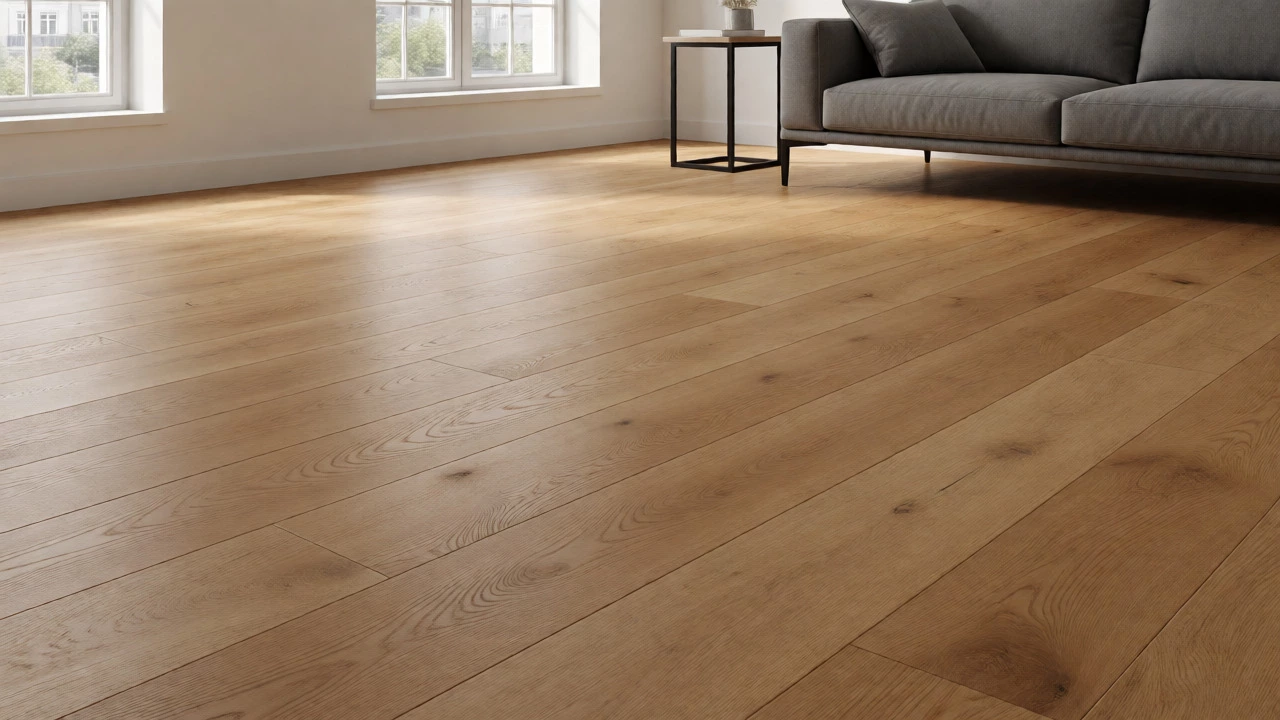
Engineered Oak is a type of hardwood flooring made by bonding a real wood veneer to a plywood core. Unlike solid wood, it handles humidity changes better, making it ideal for varied climates. Its natural grain patterns add texture without adding loud color, allowing it to blend seamlessly with both traditional and contemporary interiors.
The Top Contenders for Versatility
If you want a floor that survives style shifts, here are the heavy hitters. These aren’t just popular because they’re trendy; they’re popular because they solve the problem of mismatched decor.
- Light-to-Medium Oak: This is the gold standard. Light oak reflects light, making small rooms feel bigger. Medium oak adds warmth without going too yellow. It works with white walls, grey sofas, and black metal accents. If you only ever choose one floor, make it this one.
- Warm Greys (Greige): Pure grey can feel cold and sterile. But mix grey with beige, and you get "greige." It’s softer than concrete but more modern than traditional tile. It hides dust better than black floors and scratches better than white ones.
- Dark Walnut: Yes, dark floors can be versatile. They ground a space and provide high contrast against light walls. Dark walnut pairs beautifully with lighter woods in furniture, creating a layered, sophisticated look. Just know that it shows dust more easily, so you’ll be vacuuming more often.
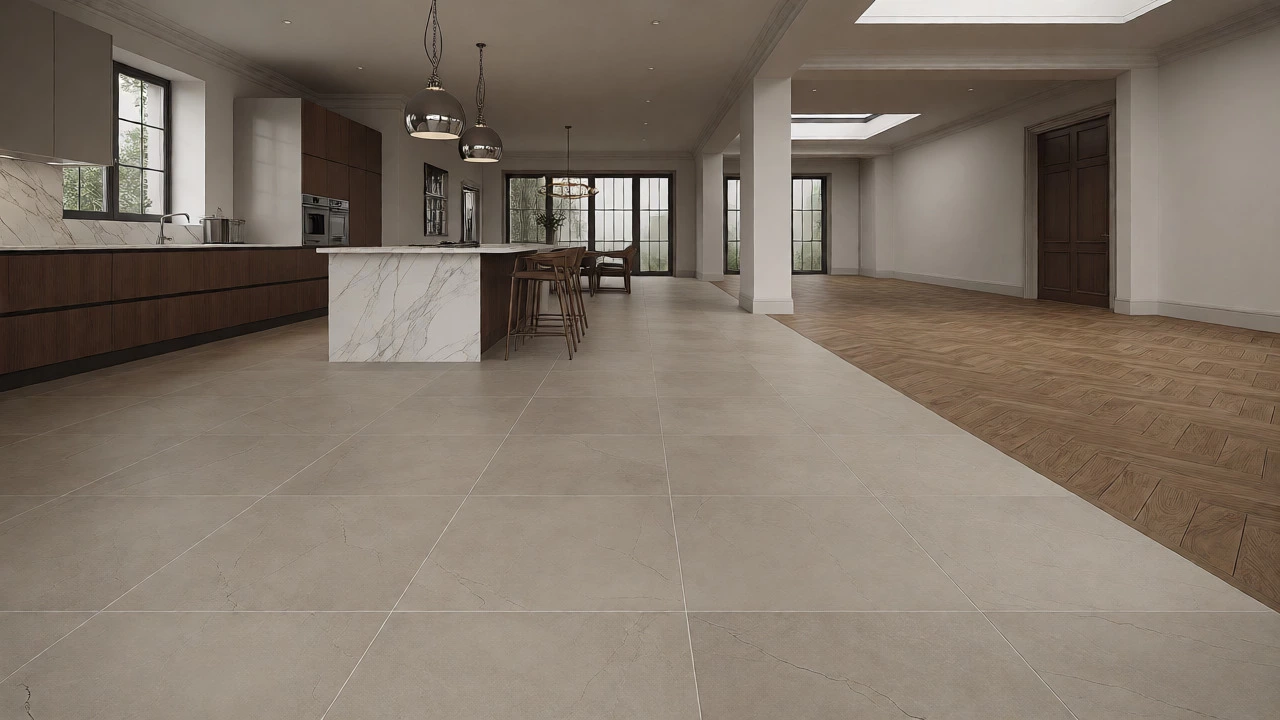
- Large-Format Porcelain Tile: For bathrooms and kitchens, large tiles (60x60cm or larger) minimize grout lines. Fewer lines mean fewer visual interruptions. Choose a matte finish in a stone-like color to avoid the slippery, shiny look that feels dated.
Matching Flooring to Your Lifestyle
Versatility isn’t just about aesthetics; it’s about durability. A beautiful floor that gets ruined by dog claws or spilled wine isn’t worth much. You need to match the material to how you live.
Do you have pets? Scratch resistance becomes priority number one. Bamboo is tough, but quality varies wildly. Engineered hardwood with a high-quality aluminum oxide finish is often tougher than solid wood because the finish is harder. If you have kids who drop toys, luxury vinyl plank (LVP) is a game-changer. Modern LVPs look surprisingly realistic and are waterproof. They won’t dent like laminate or warp like cheap engineered wood.
Consider your local climate too. In humid areas, solid hardwood can swell and shrink. Engineered wood stays stable. In very dry areas, moisture barriers under carpet or vinyl become critical to prevent static and cracking. Always check the manufacturer’s warranty regarding humidity ranges before buying.
The Color Temperature Rule
This is the secret weapon most homeowners miss. Every color has a temperature: warm (reds, oranges, yellows) or cool (blues, greens, greys). Your floor sets the temperature for the whole room.
If your furniture is mostly cool-toned-think grey sofas, chrome lamps, and white cabinets-a warm wood floor creates balance. It prevents the room from feeling clinical. Conversely, if you have a lot of warm tones, like cherry wood tables or orange rugs, a cooler grey floor stops the room from feeling like a cave. Don’t try to match exact colors. Match temperatures. That’s how you get harmony without trying too hard.
| Material | Versatility Score | Durability | Maintenance Level | Best For |
|---|---|---|---|---|
| Engineered Oak | High | Medium-High | Low-Medium | Living Rooms, Bedrooms |
| Luxury Vinyl Plank (LVP) | Medium-High | High | Very Low | Kitchens, Pets, Kids |
| Porcelain Tile | Medium | Very High | Low | Bathrooms, Entryways |
| Polished Concrete | Medium | Very High | Low | Industrial, Modern Homes |
| Wool Carpet | Low-Medium | Medium | High | Bedrooms, Comfort Focus |
Pitfalls to Avoid When Choosing
Even neutral floors can go wrong if you ignore context. Here are the traps people fall into.
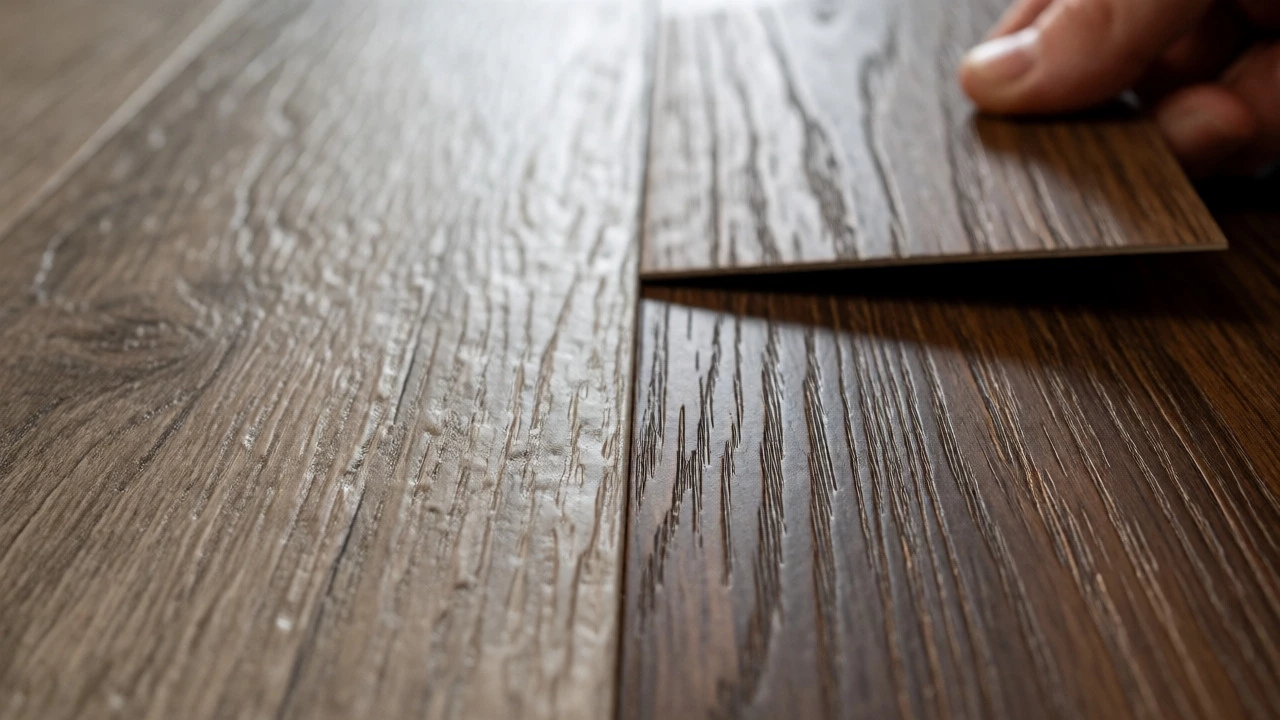
The Yellow Undertone Trap: Some light woods have strong yellow undertones. While trendy now, yellow can clash with older furniture or certain paint colors. Always bring a sample home and look at it under different lighting conditions-morning sun, evening lamp, and overhead lights. If it makes your skin look sickly or your white walls look dirty, walk away.
The Gloss Finish Mistake: High-gloss floors look great in photos but show every speck of dust and footprint. Matte or satin finishes are far more forgiving and feel more natural underfoot. Unless you’re aiming for a very specific high-fashion look, skip the gloss.
Ignoring Transitions: You might love wide-plank oak in the living room, but does it transition well to the tile in the kitchen? Abrupt changes can look messy. Use thresholds or plan for continuous flow where possible. If you must change materials, ensure the heights match perfectly to avoid tripping hazards and ugly gaps.
Resale Value and Timelessness
Let’s talk money. You might love purple shag carpet, but will the next buyer? Real estate agents consistently report that neutral, natural-looking floors sell homes faster. Why? Because buyers can visualize their own stuff in the space. Loud floors force them to imagine replacing them, which subtracts value from their offer.
In New Zealand, timber floors are highly prized. Even if you choose vinyl, choosing a realistic timber-look pattern boosts appeal over abstract designs. Stone-look tiles also perform well in wet areas because they signal durability and cleanliness. Stick to classic patterns-straight planks, herringbone, or simple grids-and you’ll protect your investment.
Practical Tips for Testing Samples
Don’t buy based on a tiny square in the store. Buy full-sized samples. Tape them to your floor. Leave them there for a week. Watch how they look when the sun hits them at 3 PM versus 8 PM. Check them against your existing furniture pieces. Do they compete? Do they complement?
Also, test durability. Drag a set of keys across the sample. Drop a coin on it. Spill some coffee and leave it for ten minutes. See if it stains. These real-world tests tell you more than any brochure ever could.
Is grey flooring still stylish in 2026?
Yes, but the trend has shifted. Cool, icy greys are fading. Warm greys and "greiges" (grey-beige mixes) are dominating because they feel cozier and pair better with the current trend of warmer wood tones and earthy paint colors. Avoid very dark charcoal unless you have excellent lighting.
Which flooring is best for dogs?
Luxury Vinyl Plank (LVP) and porcelain tile are top choices because they are scratch-resistant and easy to clean. If you prefer wood, choose engineered oak with a distressed or wire-brushed finish. The texture helps hide minor scratches from claws better than smooth, polished surfaces.
Does light flooring make a room look bigger?
Generally, yes. Light-colored floors reflect more light, which visually expands the boundaries of a room. However, dark floors can also make a room feel larger if they create a seamless flow with the walls, eliminating visual breaks. It depends more on contrast than just color alone.
How do I choose between wood and vinyl?
Choose wood if you prioritize authenticity, longevity, and resale value, and if the area isn't prone to standing water. Choose vinyl if you need waterproofing, lower maintenance, and budget-friendly installation. High-end vinyl looks nearly identical to wood but lacks the ability to be refinished multiple times.
What is the most timeless flooring color?
Natural medium-brown wood tones are arguably the most timeless. They have been popular for centuries and adapt to almost every design era. Specific shades like honey oak or walnut remain staples because they mimic nature, which humans inherently find comforting and versatile.