Heavy Civil Construction Project Identifier
Select the type of project you're evaluating to see if it falls under heavy civil construction:
Roads & Highways
Interstates, arterial roads, bridges, interchanges
Tunnels
Rail transit, vehicle passage, utility tunnels
Dams & Water Control
Flood control, irrigation, hydroelectric dams
Sewer Systems
Large-diameter pipes, pumping stations, treatment facilities
Airports & Runways
Taxiways, aprons, lighting systems, terminal connections
Mining Infrastructure
Access roads, tailings ponds, conveyor systems
Residential Building
Houses, apartments, subdivisions
Commercial Building
Offices, retail spaces, shopping malls
Hospital/Medical Facility
Healthcare buildings with specialized interiors
Project Classification Result
When you hear the word "construction," your mind probably jumps to skyscrapers, shopping malls, or maybe a new subdivision of houses. But there’s another side to this industry that keeps society running without ever making headlines. It’s the stuff beneath our feet and over our heads: highways, dams, tunnels, and bridges. This is heavy civil construction, and it’s vastly different from the buildings we walk into every day.
If you’re trying to figure out whether a project falls under heavy civil or general building, you’re not alone. The lines can blur, especially when a highway interchange includes a control tower or a dam has an administrative office. Understanding what constitutes heavy civil work matters for contractors bidding on jobs, engineers designing systems, and even investors looking at infrastructure trends. Let’s break down exactly what qualifies as heavy civil, why it’s distinct, and how it shapes the world around us.
The Core Definition: What Makes Civil "Heavy"?
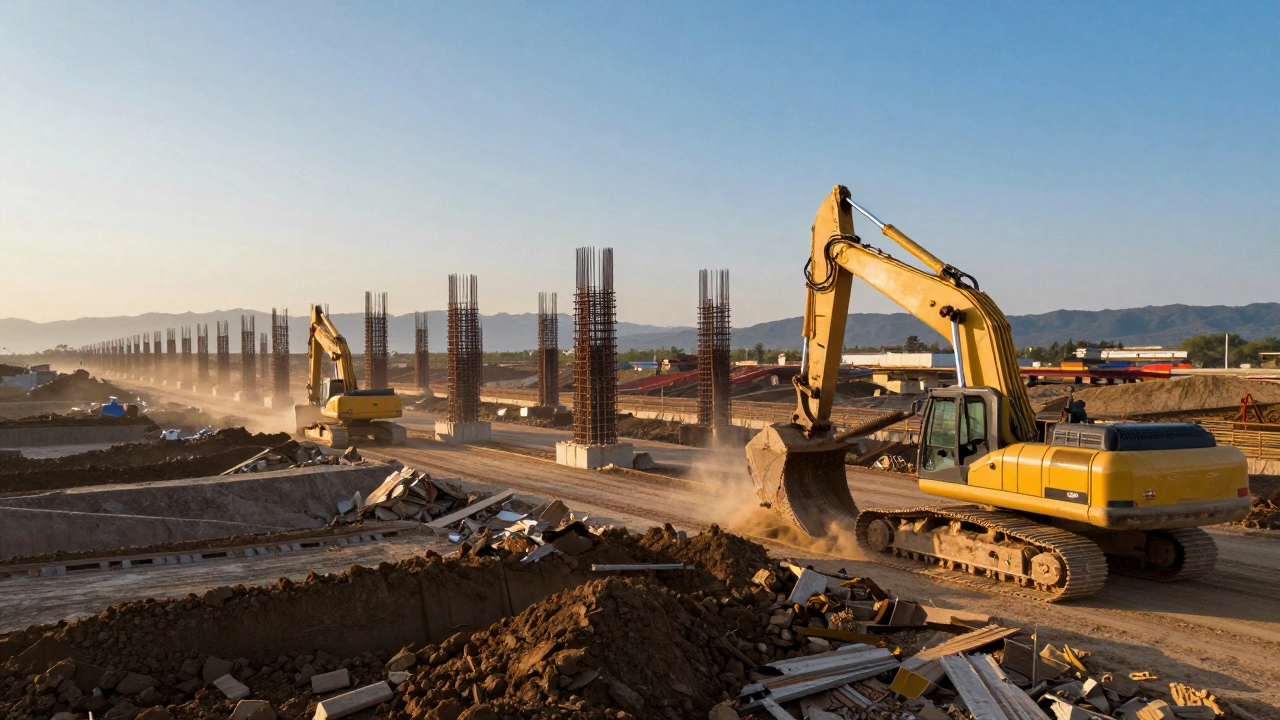
Heavy civil construction refers to large-scale infrastructure projects that require significant earthmoving, specialized equipment, and complex engineering. Unlike residential or commercial building construction, which focuses on enclosed structures with finishes like drywall, plumbing fixtures, and HVAC systems, heavy civil deals with the backbone of public infrastructure. These projects are usually publicly funded, heavily regulated, and involve massive quantities of materials-tons of concrete, thousands of cubic yards of soil, and miles of steel reinforcement.
The key differentiator isn’t just size; it’s function. Heavy civil projects serve broader societal needs rather than private occupants. A hospital might be huge, but it’s still building construction because its primary purpose is housing people and medical equipment. A tunnel boring through rock so trains can pass safely? That’s heavy civil. The distinction comes down to intent, scale, and technical complexity.
Common Types of Heavy Civil Projects
To understand what counts as heavy civil, look at the categories where these projects typically appear. Each type presents unique challenges and requires specific expertise:
- Roads and Highways: From local arterial roads to interstate freeways, road construction involves grading, paving, drainage systems, signage, and often bridge components. Modern highways also integrate smart traffic management systems.
- Bridges and Overpasses: These span obstacles like rivers, valleys, or other roads. They require deep foundations, structural steel or reinforced concrete superstructures, and precise alignment. Suspension, cable-stayed, and truss designs all fall here.
- Tunnels: Whether for rail transit, vehicle passage, or utility conveyance, tunneling demands advanced geotechnical analysis, ventilation planning, and safety protocols. Boring machines can cost tens of millions and take years to complete.
- Dams and Water Control Structures: Used for flood control, irrigation, hydroelectric power, and water supply. Concrete gravity dams, embankment dams, and spillways are classic examples. Failure risks mean rigorous quality control.
- Sewer and Stormwater Systems: Large-diameter pipes, pumping stations, treatment facilities, and retention basins. Often buried underground, these systems must handle peak flows during storms while preventing contamination.
- Airports and Runways: Including taxiways, aprons, lighting systems, and terminal connections. Pavement thicknesses exceed normal roads due to aircraft weight loads.
- Mining Infrastructure: Access roads, tailings ponds, conveyor systems, and processing plant foundations. Environmental compliance is critical.
Notice the pattern? All of these involve moving earth, managing water, creating pathways for movement, or supporting heavy loads. None are designed primarily for human occupancy in the traditional sense.
How Heavy Civil Differs from Building Construction
Let’s clear up confusion by comparing heavy civil directly with conventional building construction. Here’s a quick breakdown:
| Aspect | Heavy Civil Construction | Building Construction |
|---|---|---|
| Primary Purpose | Public infrastructure & utilities | Housing, offices, retail spaces |
| Funding Source | Government grants, bonds, taxes | Private developers, loans, sales |
| Regulatory Oversight | DOT, EPA, FEMA, state agencies | Local building codes, fire marshals |
| Project Duration | 1-10+ years | 6 months-3 years |
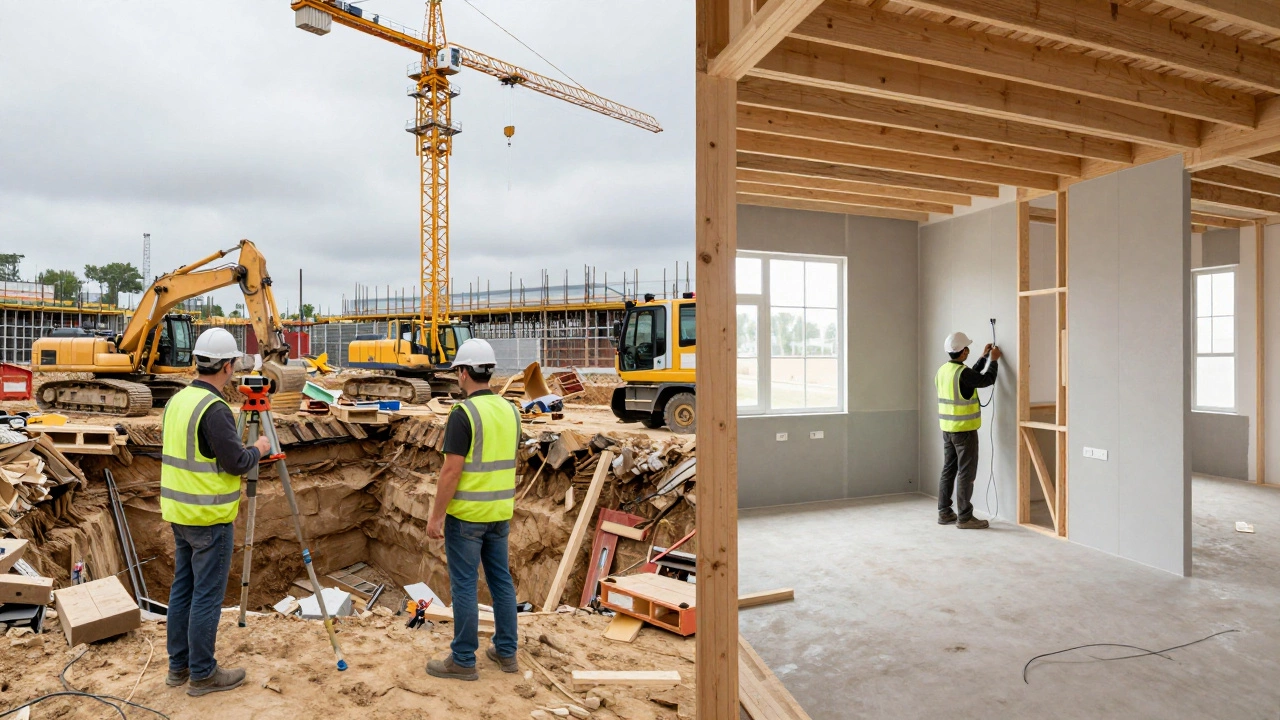
| Equipment Needs | Excavators, bulldozers, pavers, cranes | Scaffolding, lifts, hand tools |
| Workforce Specialization | Geotechnical engineers, surveyors, welders | Carpenters, electricians, plumbers |
| Risk Profile | High environmental impact, safety hazards | Occupancy safety, code compliance |
This table shows why someone trained in framing walls won’t automatically qualify to pour a foundation for a suspension bridge. The skills, regulations, and risk profiles differ dramatically.
Key Challenges in Heavy Civil Projects
Working in heavy civil means dealing with forces you don’t control: weather, geology, politics, and budget constraints. Some common hurdles include:
- Environmental Regulations: Many projects cross protected wetlands, endangered species habitats, or historic sites. Mitigation plans can add months to timelines.
- Geotechnical Uncertainty: Soil conditions vary wildly. Unexpected bedrock depth or groundwater levels can derail schedules and inflate costs.
- Right-of-Way Acquisition: Eminent domain proceedings may be needed if landowners refuse to sell. Legal battles delay starts.
- Weather Delays: Rain washes out excavation sites. Freezing temperatures halt concrete curing. Hurricanes shut down coastal work entirely.
- Supply Chain Volatility: Steel prices spike. Cement shortages occur. Labor availability fluctuates seasonally.
- Public Scrutiny: Taxpayer money fuels most projects. Mistakes get amplified in media and political debates.
Successful firms anticipate these issues early. They build contingency budgets, hire experienced site managers, and maintain strong relationships with regulatory bodies.
Who Works in Heavy Civil Construction?
The workforce behind heavy civil projects blends technical experts and skilled tradespeople. Key roles include:
- Civil Engineers: Design structures, calculate load capacities, model drainage patterns, and ensure compliance with standards.
- Surveyors: Map terrain, establish benchmarks, monitor settlement, and verify alignment accuracy.
- Construction Managers: Coordinate subcontractors, manage budgets, enforce safety rules, and report progress to clients.
- Equipment Operators: Run excavators, graders, rollers, and pile drivers with precision. Experience matters more than certification.
- Welders and Ironworkers: Fabricate and install steel reinforcements, rebar cages, and structural elements.
- Quality Control Inspectors: Test concrete strength, check compaction levels, inspect welding joints, and document results.
Unlike building trades, many heavy civil workers operate outdoors year-round. Physical stamina, problem-solving ability, and adaptability define career success here.
Why Heavy Civil Matters More Than Ever
In recent years, governments worldwide have recognized aging infrastructure as a crisis. Roads crack. Bridges weaken. Sewers overflow. Flood defenses fail. In response, billions flow into repair and replacement programs. For example, the U.S. Bipartisan Infrastructure Law allocated $550 billion toward transportation, broadband, clean water, and climate resilience between 2021 and 2026.
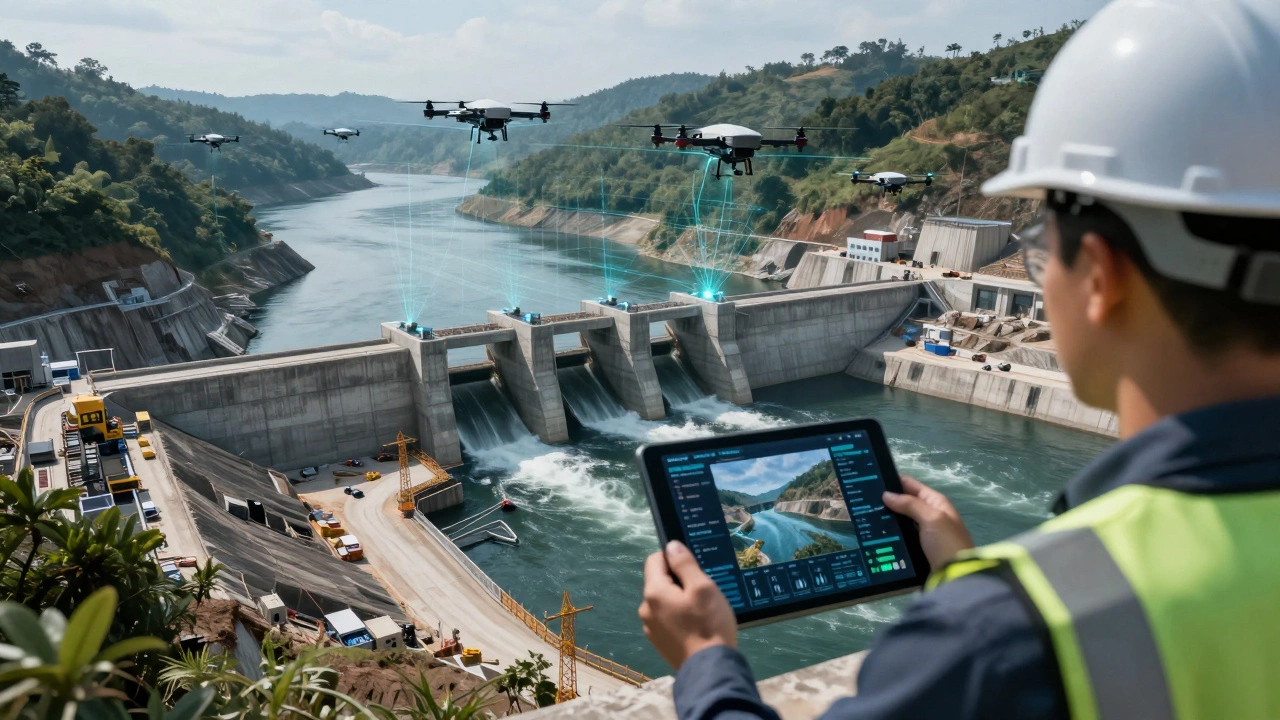
This surge creates opportunities-but also pressure. Contractors face tighter deadlines, stricter emissions targets, and higher labor expectations. At the same time, innovation helps. Drones map job sites faster. AI predicts material failures before they happen. Prefabricated modules reduce on-site assembly time.
Understanding what qualifies as heavy civil lets professionals position themselves correctly. If you specialize in high-rise framing, focus on urban redevelopment. If you excel at earthmoving and hydraulic design, target highway expansions or levee upgrades. Matching skill sets to project types improves efficiency and reduces costly missteps.
Final Thoughts on Identifying Heavy Civil Work
So, what is considered heavy civil? Think big, think outside, think essential. If a project moves dirt, channels water, carries vehicles, or supports energy transmission across wide areas, it likely belongs in the heavy civil category. It’s less about aesthetics and more about endurance. Less about interior comfort and more about structural integrity under extreme stress.
Whether you’re evaluating a career path, bidding on a contract, or simply curious about how cities function, knowing the difference between heavy civil and building construction gives you clarity. And in an era of growing infrastructure investment, that knowledge could shape your next move.
Is building a house considered heavy civil construction?
No. Residential homebuilding falls under light or vertical construction. Heavy civil focuses on public infrastructure like roads, bridges, and dams-not individual dwellings.
Can one company do both heavy civil and building construction?
Yes, some large firms offer integrated services. However, they usually separate teams because the required licenses, equipment, and engineering disciplines differ significantly.
What makes a project "heavy" instead of "light" civil?
Scale, complexity, and public impact determine classification. Light civil includes small sidewalks, parking lots, or utility trenches. Heavy civil involves major earthworks, multi-span bridges, or regional transit corridors.
Do I need special licenses to work in heavy civil?
Contractors often need DOT certifications, environmental permits, and bonding capacity. Individual workers may require OSHA training, CDL endorsements for hauling, or crane operator credentials depending on role.
How long does a typical heavy civil project last?
Timelines range widely. A simple road resurfacing might take weeks. A new tunnel system or dam can span five to ten years due to permitting, financing phases, and construction logistics.
Are heavy civil jobs safer than building construction?
Not necessarily. While modern safety tech improves outcomes, heavy civil involves heavier machinery, deeper excavations, and exposure to natural elements-all increasing hazard potential compared to indoor building sites.
Who pays for heavy civil projects?
Mostly government entities using tax revenue, bond issuances, or federal/state grants. Occasionally private toll operators finance highways or bridges expecting user fees to repay investments.
Can students learn heavy civil skills in college?
Absolutely. Civil engineering degrees cover hydraulics, transportation systems, geotechnics, and structural mechanics. Internships with municipal departments or contracting firms provide hands-on experience.