New Build Mold Risk Calculator
New homes often trap construction moisture. Use this tool to evaluate your current living conditions and determine if you are at risk for mold development.
Awaiting Input
Fill in the details on the left to see your mold risk assessment.
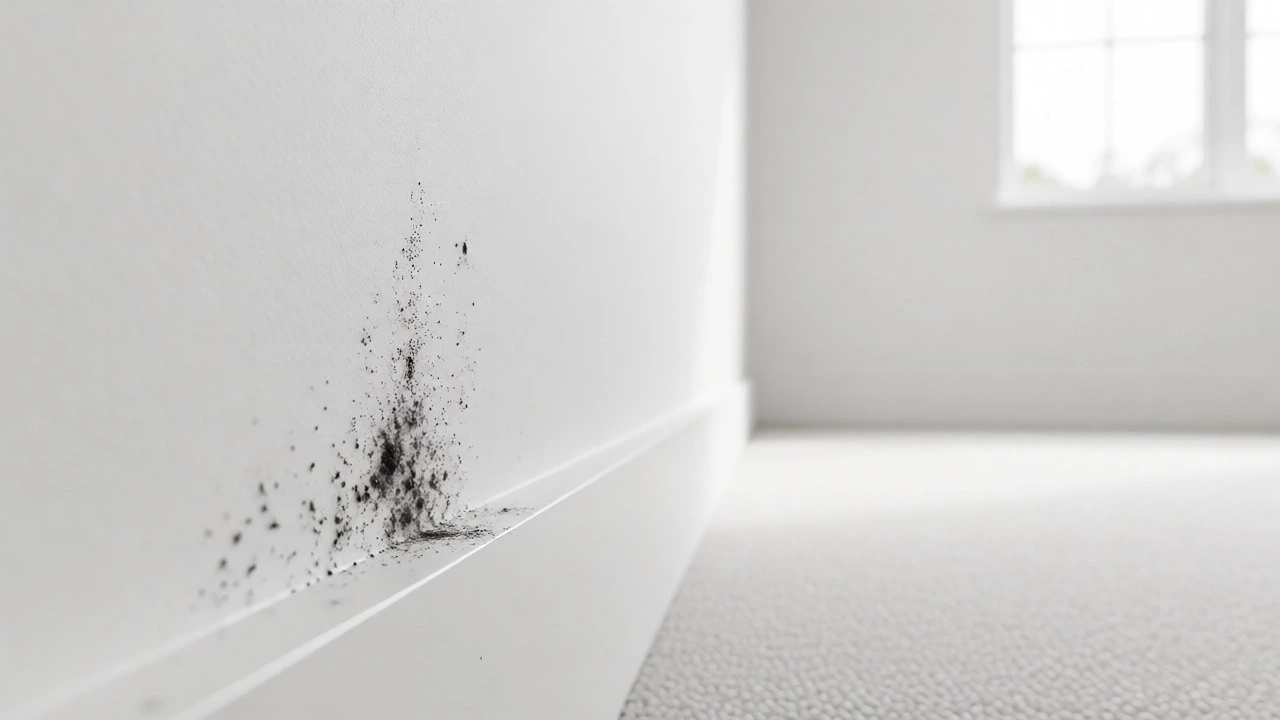
You just signed the papers. You moved into a pristine, modern home with crisp paint and zero wear-and-tear on the carpets. It’s supposed to be perfect. But three months in, you spot a faint black speckle in the corner of your bedroom ceiling or smell that distinct, musty odor near the skirting boards. You’re confused. Isn’t this house brand new? Shouldn’t it be cleaner than your old one?
Here is the uncomfortable truth: mold in new builds is not only common; it is often inevitable if the construction process isn't managed correctly. Unlike older homes that have had decades to dry out and settle, new constructions are essentially giant wet sponges wrapped in plastic. Understanding why this happens-and how to fix it before it becomes a health hazard-is crucial for protecting your investment and your lungs.
The Myth of the "Dry" House
When we think of "dry," we usually mean "not currently raining inside." But in construction terms, dryness refers to moisture content within materials like timber, concrete, and plasterboard being below a specific percentage threshold. When builders finish a house, they aren't waiting for every molecule of water to evaporate. They are waiting for the surface to look ready so they can hand over the keys.
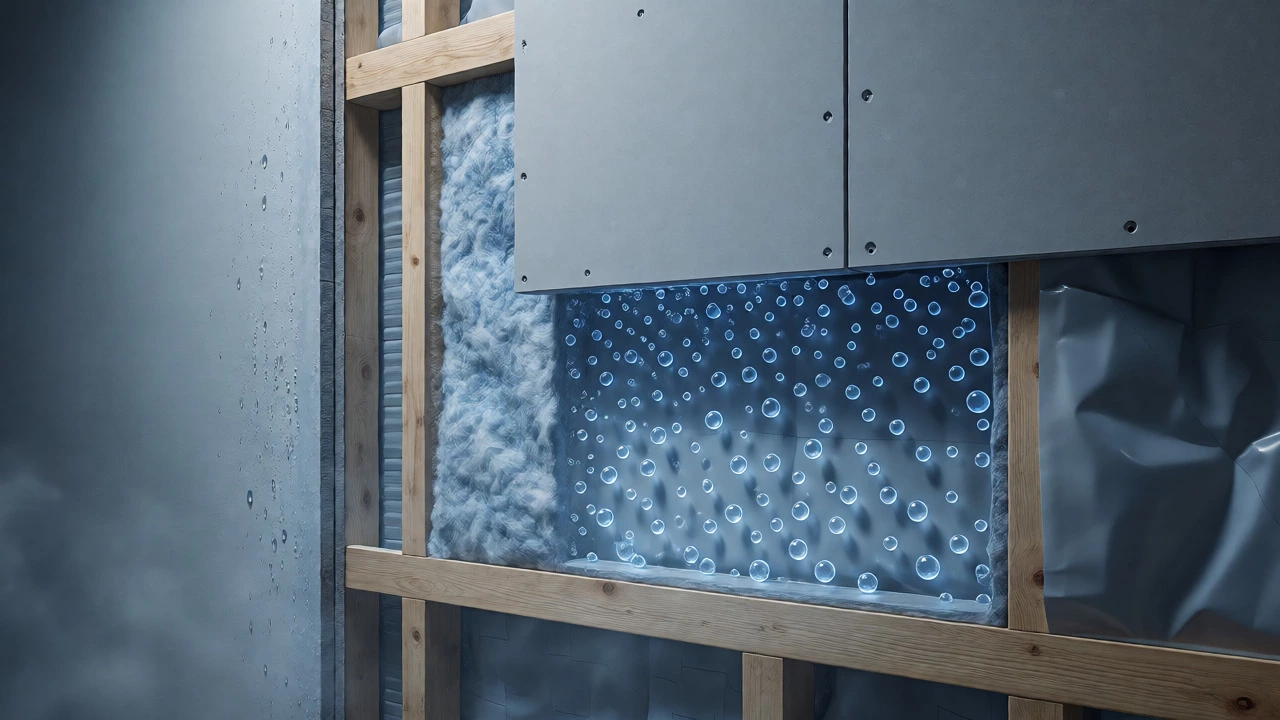
A typical residential build introduces thousands of liters of water into the structure. This comes from mixing concrete foundations, applying plaster, installing drywall (plasterboard) with joint compounds, and using adhesives for flooring. In Auckland, where humidity levels can hover between 70% and 90%, this trapped moisture has nowhere to go. If the ventilation isn't aggressive enough during the final stages, that water stays locked in the walls and floors. Once you move in and close the windows against the rain, that trapped moisture migrates to the coldest surfaces-usually exterior walls-and condenses. That dampness is the food source mold needs to thrive.
Construction Moisture vs. Rising Damp
It is vital to distinguish between two different types of water issues, because the solutions are completely different. Many homeowners panic when they see mold, assuming their foundation is broken. But in most new builds, the culprit is construction moisture, which is temporary excess water left over from the building process.
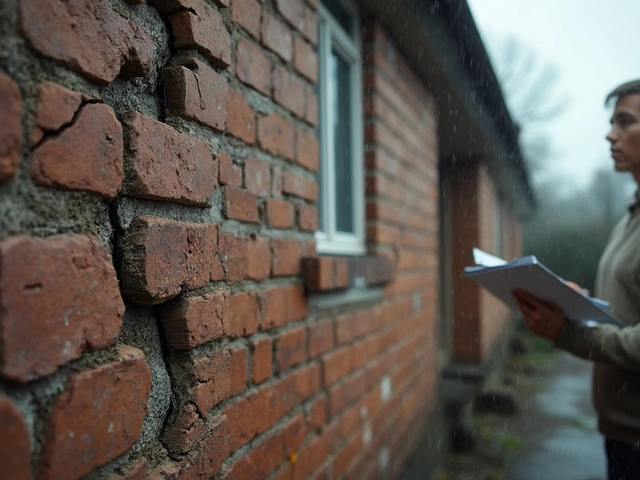
Rising damp, by contrast, is water traveling up from the ground through capillary action in masonry. While rising damp can happen in new builds if the damp-proof membrane (DPM) was installed poorly, it is far less common than simple construction moisture. How do you tell the difference? Construction moisture often appears as widespread patchiness across multiple rooms, particularly in corners or behind wardrobes where air doesn't circulate. Rising damp tends to show a clear tide mark low on the wall, often accompanied by salt deposits (efflorescence). If your mold is high up or scattered, blame the build process, not the ground.
Tight Envelopes and Poor Ventilation
Modern building codes, such as NZS 3604 in New Zealand, prioritize energy efficiency. To achieve this, builders seal houses tightly to stop heat escaping. We use double glazing, insulation batts, and vapor barriers. While this keeps your heating bills down, it traps everything else inside too-including moisture generated by cooking, showering, and even breathing.
In an old villa, drafty windows and floorboards acted as accidental ventilation systems. Air leaked out constantly, carrying moisture with it. Your new build doesn't leak. It holds tight. If your home lacks mechanical ventilation-like an HRV (Heat Recovery Ventilation) system or effective extractor fans-the relative humidity inside climbs rapidly. When indoor relative humidity exceeds 60-70% consistently, mold spores begin to germinate on organic surfaces like paper-faced plasterboard, carpet backing, and wooden studs.
| Moisture Source | Cause | Typical Location | Solution Type |
|---|---|---|---|
| Construction Moisture | Trapped water from concrete, plaster, and adhesives | Corners, ceilings, behind built-ins | Dehumidification & Heating |
| Condensation | Warm moist air hitting cold surfaces | Windows, external walls | Ventilation & Insulation |
| Leakage | Roof flashing or window joinery failure | Directly under leaks | Repair & Sealant |
| Rising Damp | Groundwater wicking up masonry | Bottom 1m of walls | Damp Proof Course injection |
Where Does It Hide? Common Hotspots
Mold loves darkness and stagnation. In new builds, certain areas are notorious for harboring growth because they are difficult to clean and often overlooked during the final inspection.
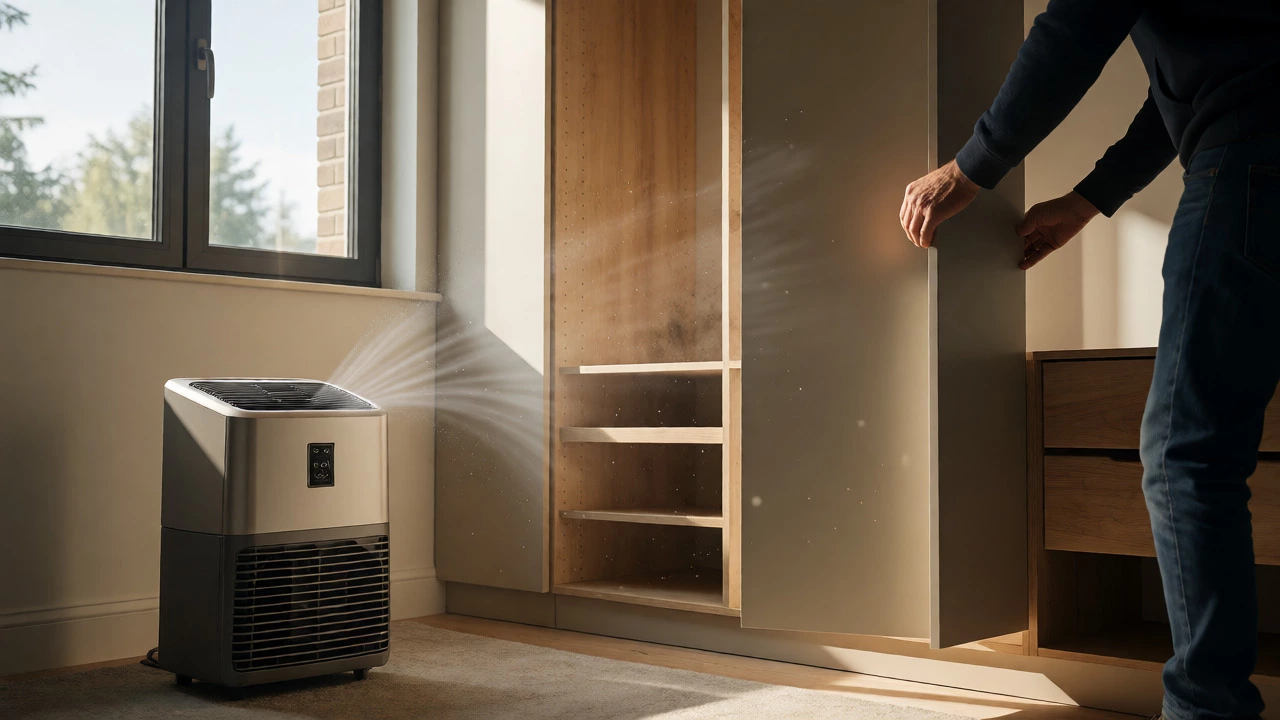
- Built-in Wardrobes: Builders often install wardrobes immediately after painting, sealing the space off from airflow. The back panels of these cupboards are usually thin MDF or particle board, which absorbs moisture quickly. If you pack clothes in tight straight away, you create a micro-climate perfect for mold.
- Behind Kitchen Splashbacks: If tiles were laid over damp plasterboard, the moisture gets trapped between the tile adhesive and the board. You won't see it until the grout turns black or the silicone sealant peels.
- Under Carpet: New carpets are often glued down with latex-based adhesives that contain significant water. If the subfloor wasn't fully dried before laying, the carpet acts as a lid, trapping steam underneath.
- Ceiling Corners: These are thermal bridges-areas where insulation might be slightly thinner or interrupted by structural beams. Cold spots form here, causing condensation that runs down the wall.
How to Dry Out Your New Home
Don't wait for the mold to spread. You need to actively manage the drying-out period, which can take anywhere from six months to two years depending on the season and material thickness. Here is the strategy that works best in humid climates like Auckland:
- Run Dehumidifiers Continuously: Open-source dehumidifiers are great, but compressor models are more efficient in cooler temperatures. Aim to keep indoor humidity below 50%. Empty the tanks daily or set up a drain hose if possible.
- Use Heat Wisely: Warm air holds more moisture than cold air. By heating your home to at least 18°C-20°C, you encourage materials to release their stored water into the air. Then, your ventilation system (or open windows) removes that moist air. Never turn the heat off completely in winter to save money; this causes condensation spikes overnight.
- Ventilate Aggressively: Run bathroom extractor fans for at least 30 minutes after every shower. If you don't have an HRV system, crack windows slightly (even in winter) to allow cross-ventilation, provided it's not raining heavily outside.
- Check Behind Furniture: Pull beds, sofas, and wardrobes away from external walls by at least 50mm. This allows air to circulate behind them. Mold thrives in the dead zones behind large objects.
Health Risks: More Than Just Ugly Spots
You might think a few black dots are just cosmetic. But Stachybotrys chartarum (often called black mold) and other species like Aspergillus can trigger serious respiratory issues. Symptoms include persistent coughing, wheezing, eye irritation, and fatigue. For children, the elderly, or anyone with asthma, living in a damp new build can lead to chronic sinus infections or exacerbate allergies.
If you notice these symptoms improving when you leave the house for a weekend trip, your home environment is likely the cause. Don't ignore it. Cleaning mold with bleach often fails because it kills the surface color but leaves the roots intact, especially on porous materials like wood and plasterboard. Professional remediation may be required if the area exceeds one square meter.
Preventing Future Growth
Once you've cleaned up the initial outbreak, you need to change habits to prevent recurrence. New builds require a different lifestyle approach compared to older homes.
- Monitor Humidity: Buy a hygrometer (they cost about $10-$20). Check it weekly. If it reads above 60%, increase ventilation or run a dehumidifier.
- Inspect Regularly: Every month, check hidden corners. Look behind curtains, under sinks, and inside cupboards. Catching mold early means wiping it down with vinegar instead of replacing drywall.
- Maintain HVAC Filters: If you have ducted heating or an HRV system, clean the filters every three months. Clogged filters reduce airflow, leading to stagnant, moist pockets in your ducts.
Remember, a new build is a living system that changes over time. The first year is the hardest as the materials shed their construction moisture. Be patient, be proactive, and don't hesitate to call your builder if the problem persists beyond the warranty period. Most builders offer a 12-month maintenance period specifically to address these settling issues.
Is mold in a new build covered by warranty?
Generally, yes, if it is deemed a defect due to poor workmanship or lack of ventilation design. However, if the mold is caused by homeowner behavior (e.g., drying laundry indoors without ventilation), the warranty may not cover it. Always document the issue with photos and report it to your builder within the first 12 months.
How long does it take for a new house to dry out?
Most of the bulk water dries out in the first 6 to 12 months. However, deep moisture in concrete slabs and thick plaster can take up to 18-24 months to fully dissipate, especially in colder, damper seasons.
Can I paint over mold myself?
No. Painting over active mold traps the spores and nutrients underneath, causing the paint to blister and the mold to return worse than before. You must kill the mold, let the surface dry completely, apply a stain-blocking primer, and then repaint.
Does an HRV system prevent all mold?
An HRV helps significantly by exchanging stale, moist air for fresh, filtered air, but it cannot remove liquid water or fix structural leaks. It is a tool for managing humidity, not a cure-all for existing water damage or poor insulation details.
What is the ideal humidity level for a new build?
Aim for 40% to 50% relative humidity. Levels below 40% can cause timber shrinkage and static electricity, while levels above 60% significantly increase the risk of mold growth and dust mites.