Window Treatment Decision Tool
Five quick questions. Get a personalised recommendation for your windows.
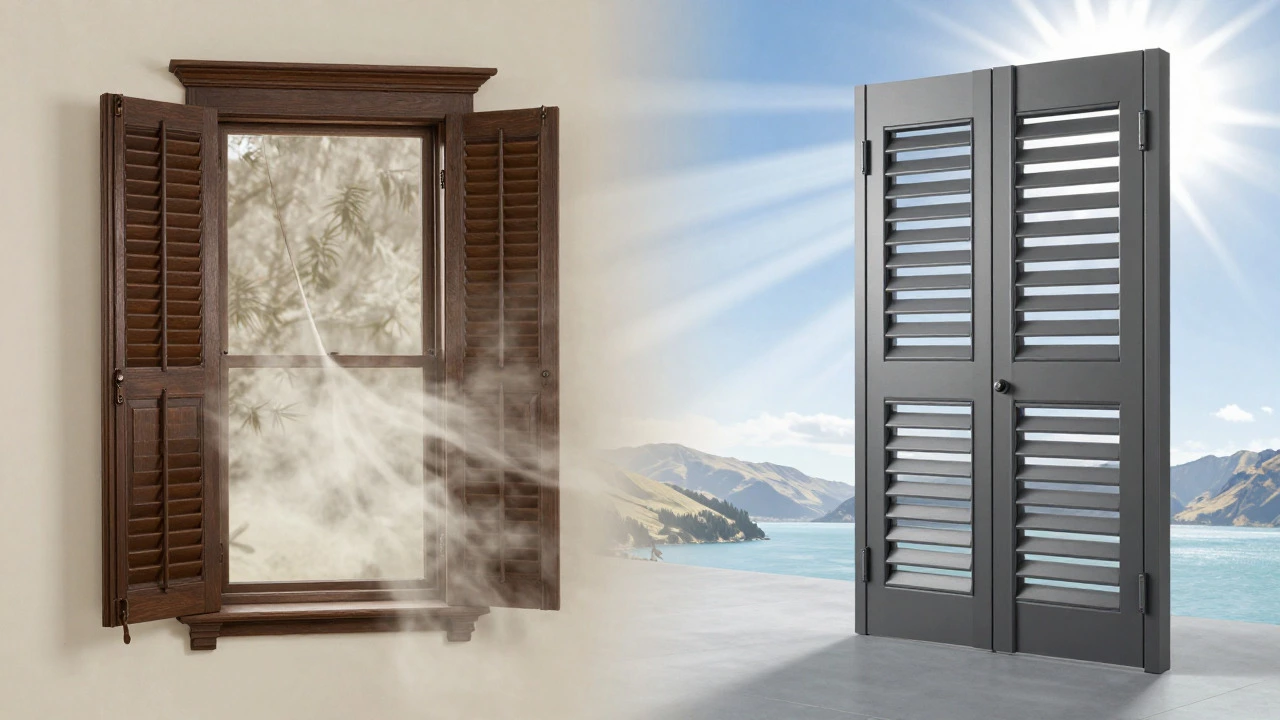
Walk into a modern show home in Auckland or scroll through any high-end interior design feed, and you might notice something: the windows are bare. Or maybe they’re covered by sleek, minimal blinds. This has led to a common question among homeowners: window shutters-specifically the traditional louvered kind-are they a relic of the past?
The short answer is no. But the long answer depends entirely on how you define "outdated." If you picture heavy, dark wood Victorian shutters that block all light, yes, those styles can feel dated. But if you look at the functional and aesthetic evolution of this product, it remains one of the most versatile and valuable window treatments available today. In fact, for many New Zealand homes dealing with harsh sun and variable weather, shutters offer solutions that fabric curtains simply cannot match.
Why the Perception of Obsolescence Exists
To understand why people think shutters are gone, we have to look at the shift in global design trends over the last decade. The rise of minimalist Scandinavian and Japandi aesthetics pushed interiors toward lighter, airier looks. Heavy wooden structures were often replaced by sheer linen curtains or simple roller blinds because they felt less "cluttered."
However, this trend ignored a crucial factor: climate. In cooler climates like Europe or Northern Canada, where heat retention is a priority, heavy drapes make sense. But here in New Zealand, we deal with intense UV rays, significant temperature swings between summer and winter, and coastal humidity. Fabric curtains absorb moisture, fade under strong sun, and do little to insulate a room. This is where the utility of rigid window coverings shines again. They aren't just decorative; they are functional tools for energy efficiency.
The Modern Evolution of Shutter Design
If you haven’t looked at shutter options in the last five years, your mental image is likely outdated. Manufacturers have moved away from bulky, painted wood toward lightweight, durable composites. Today’s leading materials include PVC, aluminum, and composite woods that mimic the grain of real timber without the maintenance headaches.
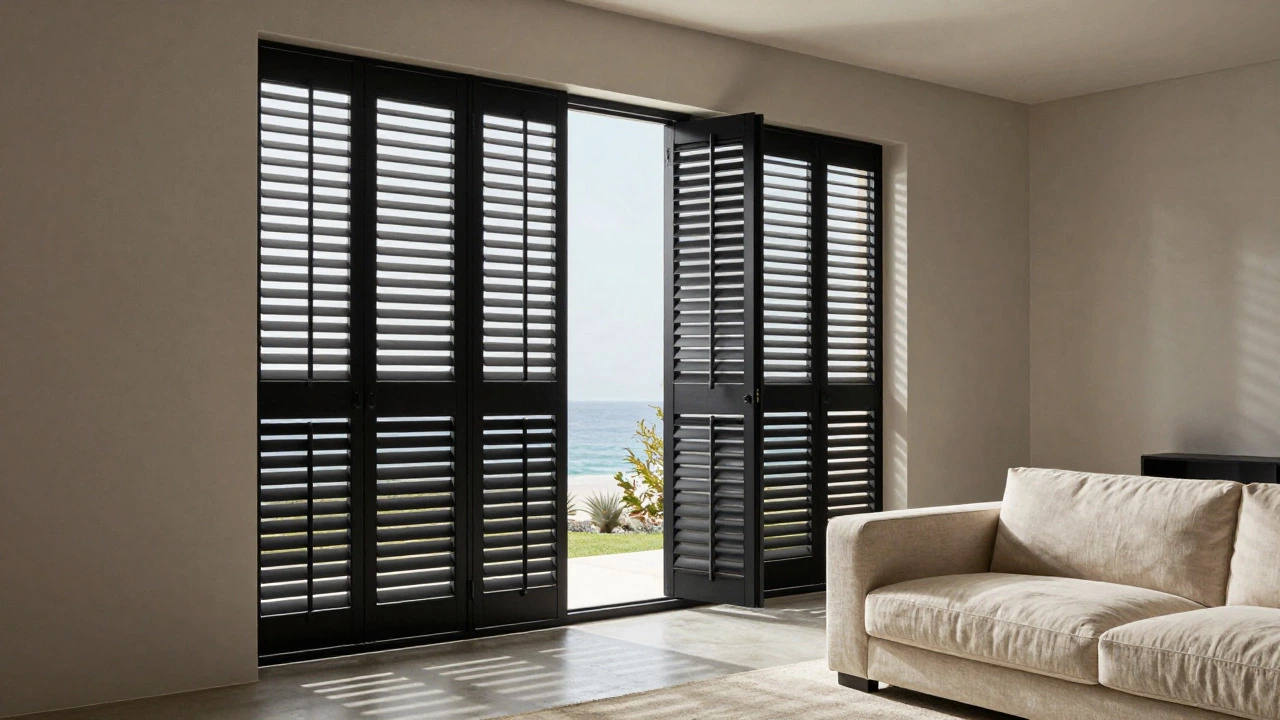
Plantation Shutters is a type of window covering characterized by adjustable louvers set within a frame, originally designed for large windows in southern US plantations but now adapted for modern residential use. Unlike standard vertical blinds, these allow for precise control over airflow and light entry. The slats can be tilted to direct sunlight away from furniture or angled to maximize privacy while still letting in natural brightness.
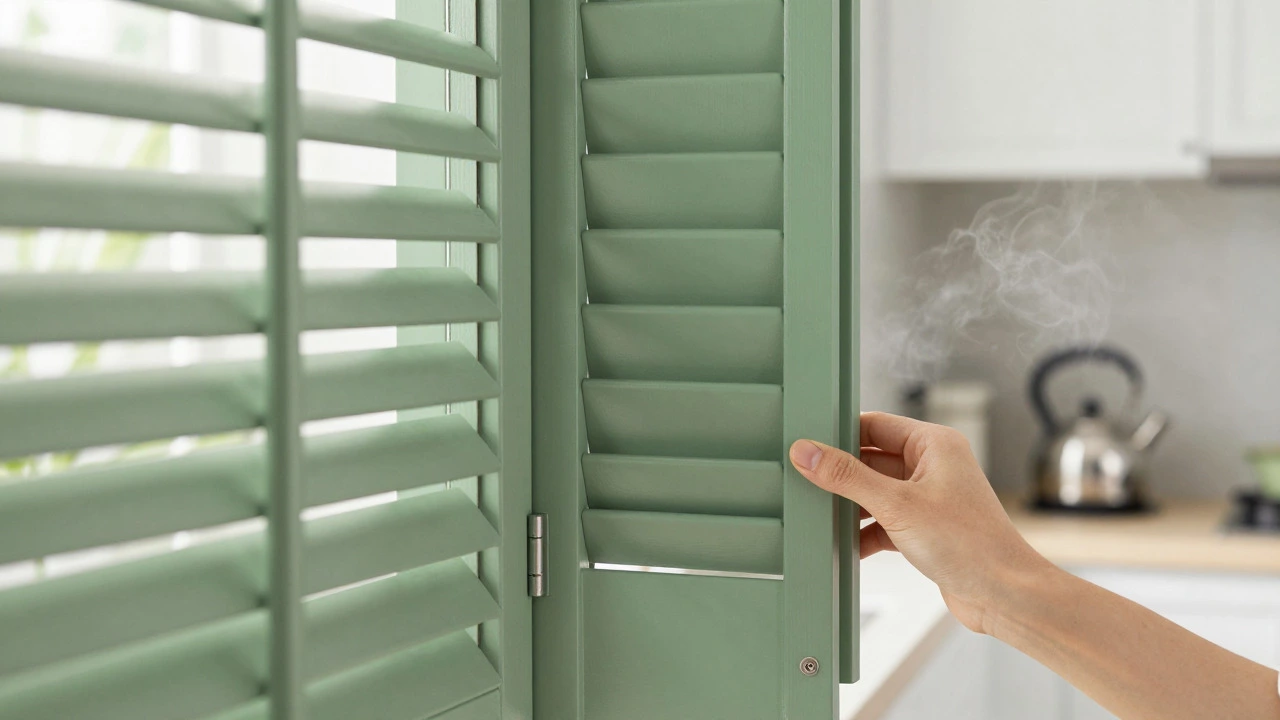
Color palettes have also shifted dramatically. Gone are the days when white was the only acceptable option. Modern collections feature matte black, charcoal grey, sage green, and warm oak tones. These colors integrate seamlessly with contemporary kitchen cabinets and bathroom vanities, proving that shutters can fit a modern aesthetic just as well as a traditional one.
Functional Benefits That Curtains Can't Match
When comparing window treatments, it’s easy to get caught up in the visual appeal. But function should drive the decision, especially in our climate. Let’s break down why rigid shutters outperform soft furnishings in several key areas:
- Durability: Curtains fade, stain, and tear. Shutters, particularly those made from PVC or aluminum, are resistant to fading and can be wiped clean with a damp cloth. For households with pets or children, this is a game-changer.
- Insulation: Rigid frames create an air gap between the glass and the interior wall. This thermal barrier helps keep heat out in summer and retains warmth in winter. Studies on passive house designs consistently show that external or internal rigid shading reduces energy consumption significantly compared to unshaded windows.
- Maintenance: You don’t need to dry-clean shutters. A quick dusting with a microfiber cloth keeps them looking new. Compare this to the cost and effort of laundering heavy drapes twice a year.
- Precision Control: With curtains, you either open them fully or close them partially. With shutters, you can adjust each louver individually. This allows for granular control over glare and privacy, which is essential for living rooms facing west-facing afternoon sun.
Comparing Shutters to Other Window Treatments
To help you decide, let’s compare shutters against the two most popular alternatives: roller blinds and fabric curtains. Each has its place, but understanding the trade-offs is vital for making the right choice for your specific room.
| Feature | Plantation Shutters | Roller Blinds | Fabric Curtains |
|---|---|---|---|
| Aesthetic Style | Classic to Modern | Minimalist | Soft, Traditional |
| Lifespan | 15-20+ years | 3-5 years | 5-7 years |
| Cleaning Effort | Low (Wipe) | Medium (Vacuum/Wash) | High (Launder/Dry Clean) |
| Light Control | Precise (Louver Tilt) | Binary (Open/Closed) | Variable (Opacity dependent) |
| Initial Cost | High | Low | Medium |
| Energy Efficiency | Excellent | Poor | Moderate |
As the table shows, shutters win on longevity and performance. However, they come with a higher upfront cost. If you are renting or planning to move in three years, roller blinds might be the more practical financial choice. But if you are staying put for a decade or more, the durability of shutters makes them a better long-term investment.
Where Shutters Shine (And Where They Don't)
Not every window in your home needs shutters. Strategic placement is key to maximizing their impact without breaking the bank.
Ideal Locations:
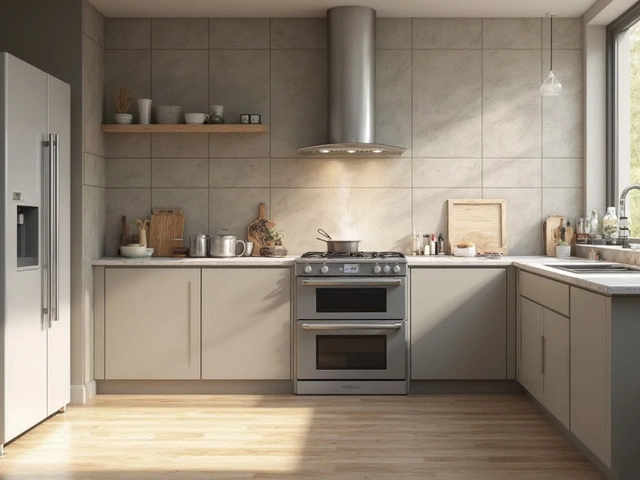
- Kitchens: The steam and grease from cooking destroy fabric curtains quickly. PVC shutters handle moisture and heat perfectly. They also provide the precise light control needed for food prep areas.
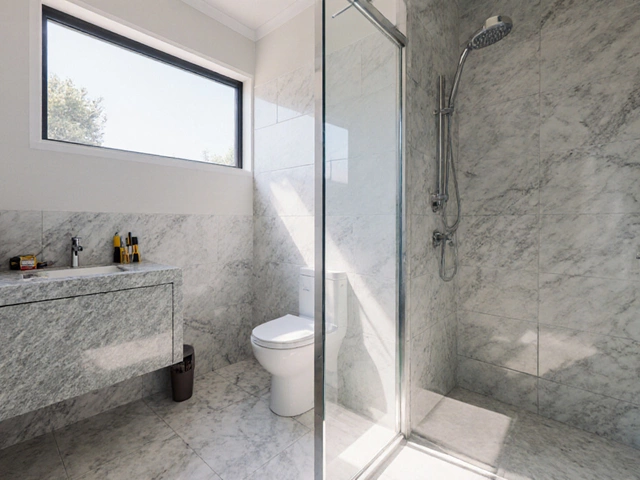
- Bathrooms: Similar to kitchens, humidity is the enemy. Wooden shutters may warp, but composite or aluminum shutters thrive here. They add a touch of luxury that cheap plastic blinds lack.
- Living Rooms: For the main social space, shutters offer a sophisticated look that elevates the entire room. The ability to tilt the louvers means you can maintain privacy from neighbors while keeping the room bright.
Less Ideal Locations:
- Sliding Glass Doors: Unless you choose a specific bi-fold or accordion style, standard hinged shutters can interfere with the door track. Vertical panels or wide-slatted shutters are better suited here.
- Very Large Windows: While possible, installing full-height shutters on floor-to-ceiling windows can be expensive and visually overwhelming. In these cases, combining a top-half shutter with a bottom-half curtain (often called a "half-shutter") can be a stylish compromise.
Installation and Maintenance Realities
One of the biggest misconceptions about shutters is that they are difficult to install. In reality, most modern systems are designed for DIY installation. They typically mount inside the window recess using screws and brackets. The process is similar to hanging a heavy picture frame, requiring basic carpentry skills like measuring and drilling.
However, precision matters. If your window recesses are uneven, custom-made shutters will fit perfectly, whereas off-the-shelf units might leave gaps. This is why many homeowners opt for custom measurements. It ensures a seamless look and better insulation.
Maintenance is arguably the easiest part. Because there are no moving parts other than the tilt rod, there is very little to break. If a hinge loosens over time, a small screwdriver tightens it back up. There are no motors, batteries, or complex mechanisms to fail. This simplicity is a major advantage over motorized smart blinds, which can suffer from connectivity issues or battery drain.
Styling Tips for a Contemporary Look
If you want shutters to feel modern rather than traditional, follow these styling rules:
- Keep it Monochromatic: Match the shutter color to your trim or cabinetry. A crisp white shutter against a white wall creates a clean, architectural line. A black shutter against a dark grey wall adds drama.
- Choose Wider Louvers: Narrow slats can look busy and cluttered. Wider louvers (around 89mm or 4.5 inches) create larger planes of material, which feels more substantial and modern.
- Hide the Hardware: Opt for concealed hinges and hidden tilt rods where possible. Visible metal hardware can detract from the clean lines of a modern interior.
- Mix Materials: In some designs, mixing matte finishes with textured walls works well. Avoid glossy finishes, which can look cheap and reflect too much light.
The Verdict: Are They Worth It?
So, are shutters outdated? Not if you approach them with a modern mindset. They are not a one-size-fits-all solution, nor are they the cheapest option. But for homeowners who value durability, low maintenance, and precise environmental control, they remain superior to almost any other window treatment.
In the context of 2026, with rising energy costs and a growing focus on sustainable home improvements, the insulating properties of shutters make them a smart financial decision, not just a stylistic one. They bridge the gap between classic charm and modern functionality, offering a timeless solution that continues to evolve with current design trends.
Do shutters increase home value?
Yes, generally speaking. Custom shutters are considered a premium upgrade. They signal quality and attention to detail to potential buyers. While you may not recoup 100% of the cost, they contribute to the overall perceived value of the property, especially in high-end markets.
What is the best material for shutters in New Zealand?
For most NZ homes, composite or PVC is the best choice. Wood is beautiful but requires regular painting and sealing to prevent warping due to humidity. Aluminum is excellent for coastal areas but can feel cold to the touch. Composite offers the look of wood with the durability of plastic, making it the most versatile option for varying climates across the country.
Can I install shutters myself?
Yes, provided you have basic DIY skills. Most manufacturers provide clear instructions and templates. The key is accurate measurement. If your windows are standard sizes, off-the-shelf units work well. For custom fits, professional installation is recommended to ensure perfect alignment and operation.
How do I clean shutters?
Dust them regularly with a microfiber duster or a vacuum cleaner with a brush attachment. For deeper cleaning, wipe the slats with a damp cloth and mild soap. Avoid soaking the shutters, as excess water can damage the finish or cause swelling in wooden varieties.
Are shutters good for soundproofing?
They help, but they aren't miracle workers. Solid panel shutters (without louvers) block more noise than louvered ones. The rigid frame also reduces vibration from the window glass. However, for significant sound reduction, you would need acoustic glass in addition to the shutters.