Build vs Buy Cost Calculator
Scenario Inputs
Estimated Total Costs
Build
Buy
* Includes approx. $25k for council, permits, and design.
** Includes rent during construction + interest risk factor.
Estimates are illustrative based on 2026 market trends. Consult a professional for precise quotes.
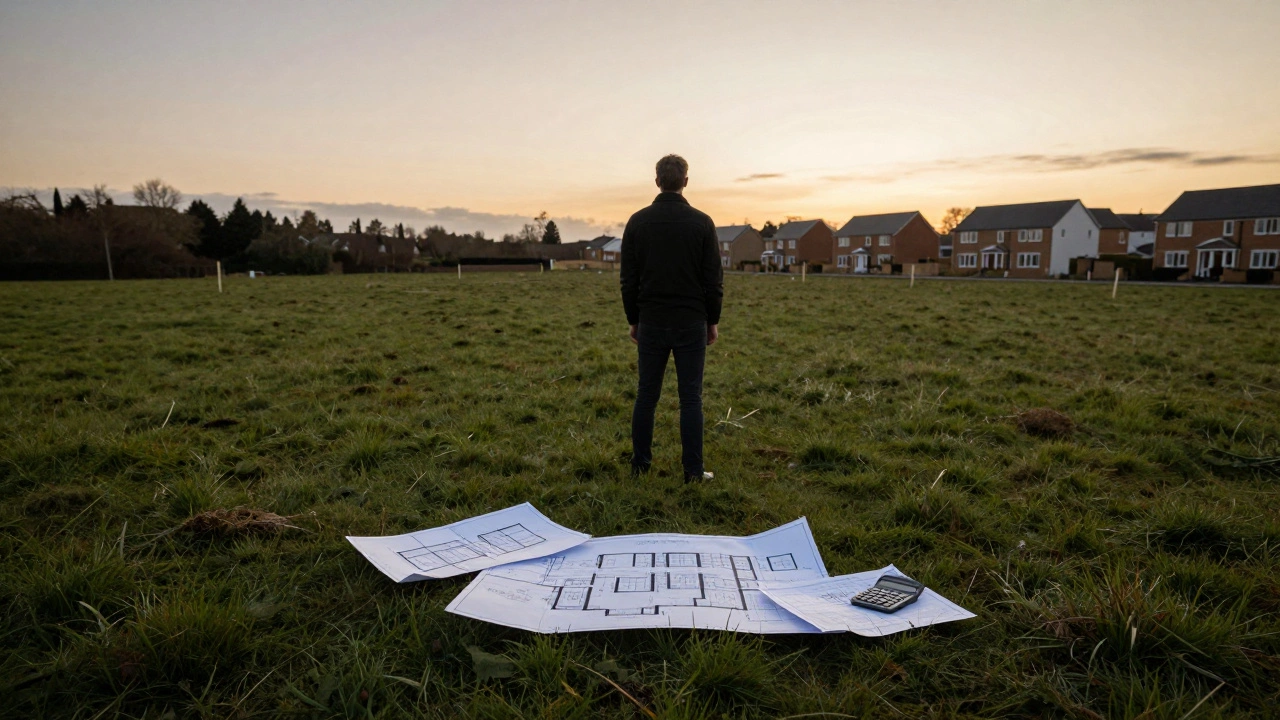
Standing on an empty block of land feels like holding a blank canvas. You can imagine the kitchen layout, the garden space, and the perfect bedroom window. But then you look at your bank account, and that dream starts to feel heavy. The big question isn't just about style-it's about survival. Is it actually cheaper to build your own home or buy a new one that’s already built? In 2026, the answer isn't a simple yes or no. It depends on where you live, how long you’re willing to wait, and whether you have the stomach for risk.
The Hidden Cost of "Cheaper"
When people ask if building is cheaper, they usually compare the price tag of a finished house against the quote from a builder. That’s a mistake. You aren’t comparing apples to apples; you’re comparing a finished product against a pile of materials and labor estimates. When you buy a new home, the price includes the land, the construction, the builder’s profit, and often some fixtures. When you build, you pay for the land separately, plus council fees, connection charges, and design costs that rarely make it into the initial headline number.
In many markets, buying an existing new build looks cheaper upfront because the developer has absorbed the risk. They bought the land months ago, secured permits, and negotiated bulk material rates. If you try to replicate that process alone, you’ll likely pay more for each component individually. However, if you already own the land, the equation changes completely. Building on your own section removes the biggest variable: land cost. In high-density cities, land can account for half the total value of a property. If you skip that purchase, building becomes significantly more affordable than buying a comparable new home nearby.
Is it cheaper to build or buy if I don't own land?
If you do not own land, buying a new home is usually cheaper and less risky. Developers benefit from economies of scale, securing lower prices for materials and labor. Additionally, you avoid the hidden costs of land acquisition, council consent, and infrastructure connections, which can add tens of thousands to your budget when building independently.
The Risk Factor: Why Estimates Fail
Here’s the hard truth: building budgets blow up. It happens to almost everyone. A builder might quote you $800 per square meter today, but by the time you pour the foundation, steel prices jump, or lumber shortages hit, that number climbs. In 2026, supply chain volatility remains a real concern. Global events can spike the cost of imported goods overnight. When you buy a new home, the seller locks in those costs. You pay a fixed price. When you build, you inherit the market fluctuations unless you sign a fixed-price contract with a reputable builder-and even then, variations can creep in.
Consider this scenario: You find a plot of land for $500,000. Your builder quotes $400,000 for a modest three-bedroom home. Total: $900,000. Now, during construction, you decide you want better flooring. Then the council requires extra drainage work. Suddenly, you’re at $950,000. Meanwhile, a similar new-built home nearby sells for $920,000. You spent more money, waited six months longer, and dealt with stress. This is why many first-time buyers choose to buy rather than build-they trade control for certainty.
| Cost Component | Building Custom Home | Buying New Build |
|---|---|---|
| Land Acquisition | High (Separate Purchase) | Included in Price |
| Construction Costs | Variable (Risk of Overrun) | Fixed (Developer Absorbs) |
| Council & Permits | $10k - $30k | Included |
| Design Fees | $5k - $20k | Included |
| Interest During Build | Yes (Construction Loan) | No |
Control vs Convenience: What Are You Paying For?
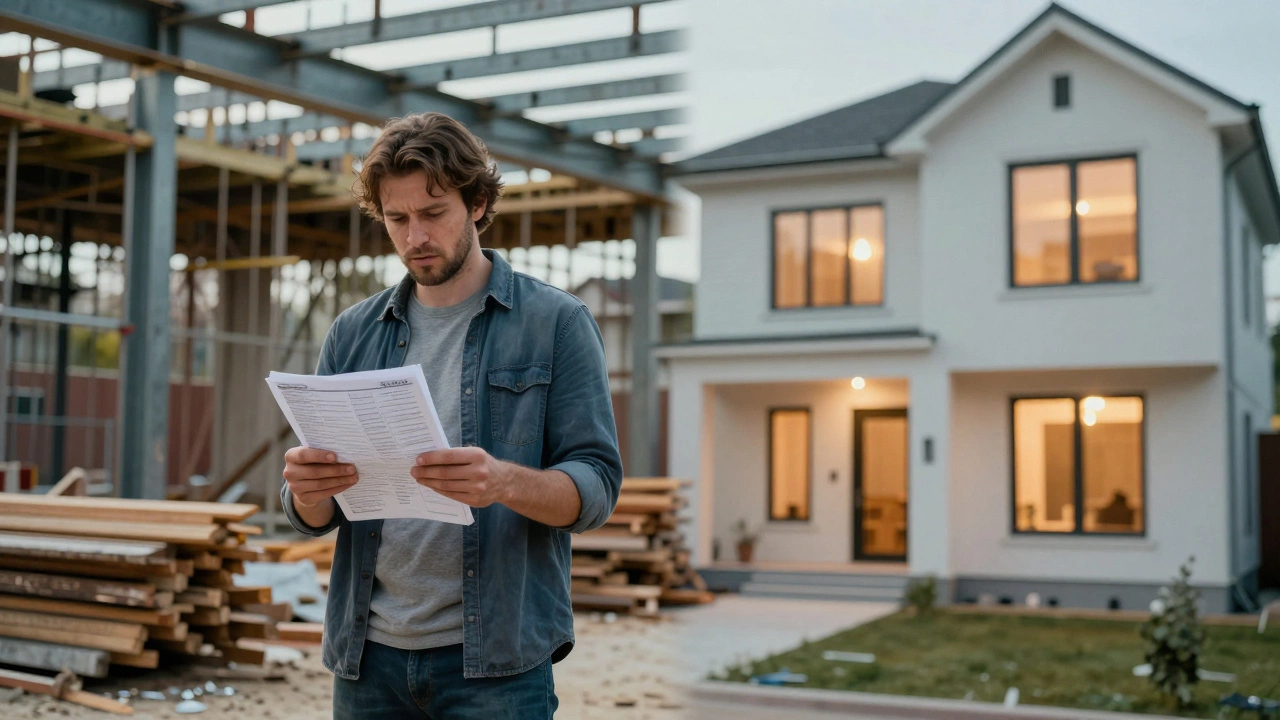
If money were the only factor, we’d all live in tents. But homes are emotional investments. When you build, you pay for control. You choose the insulation type, the window orientation, and the smart home wiring. You ensure energy efficiency meets your standards, not the developer’s minimum requirements. In places like Auckland, where weather extremes matter, this control translates to lower heating bills over decades. A custom build allows you to optimize passive solar gain, reducing reliance on expensive HVAC systems.
Buying a new home means accepting compromise. Developers build to appeal to the widest audience possible. That means generic layouts, standard finishes, and sometimes poor acoustic insulation between walls. You might love the kitchen island but hate the tiny pantry. Or you might discover that the bathroom drains poorly because the plumber cut corners. With a new build, you get convenience-you can move in within weeks. With a custom build, you get satisfaction-but only if you manage the project well. Most people underestimate the mental toll of making hundreds of decisions while coordinating tradespeople.
The Time Tax: Months Turn Into Years
Time is money, literally. While you’re waiting for your custom home to be built, you’re paying rent somewhere else. If you rent for six months at $2,500 a month, that’s $15,000 gone. Add interest on your construction loan, and the cost escalates further. In contrast, buying a new home means immediate occupancy. You stop paying rent the day you sign the deed. For families with school-aged children or professionals needing stable housing, this speed matters immensely.
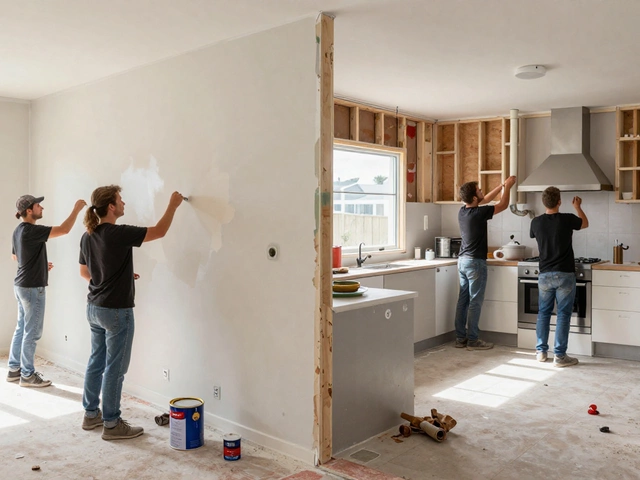
Construction delays are common. Weather, labor shortages, and permit approvals can push timelines out by months. I’ve seen projects stall for three months due to missing concrete trucks alone. When you buy, the delay risk shifts to the developer. They absorb the pain so you don’t have to. This is why investors often prefer buying-they need predictable cash flow. Builders take the hit; buyers enjoy the stability.
Long-Term Value: Resale Potential
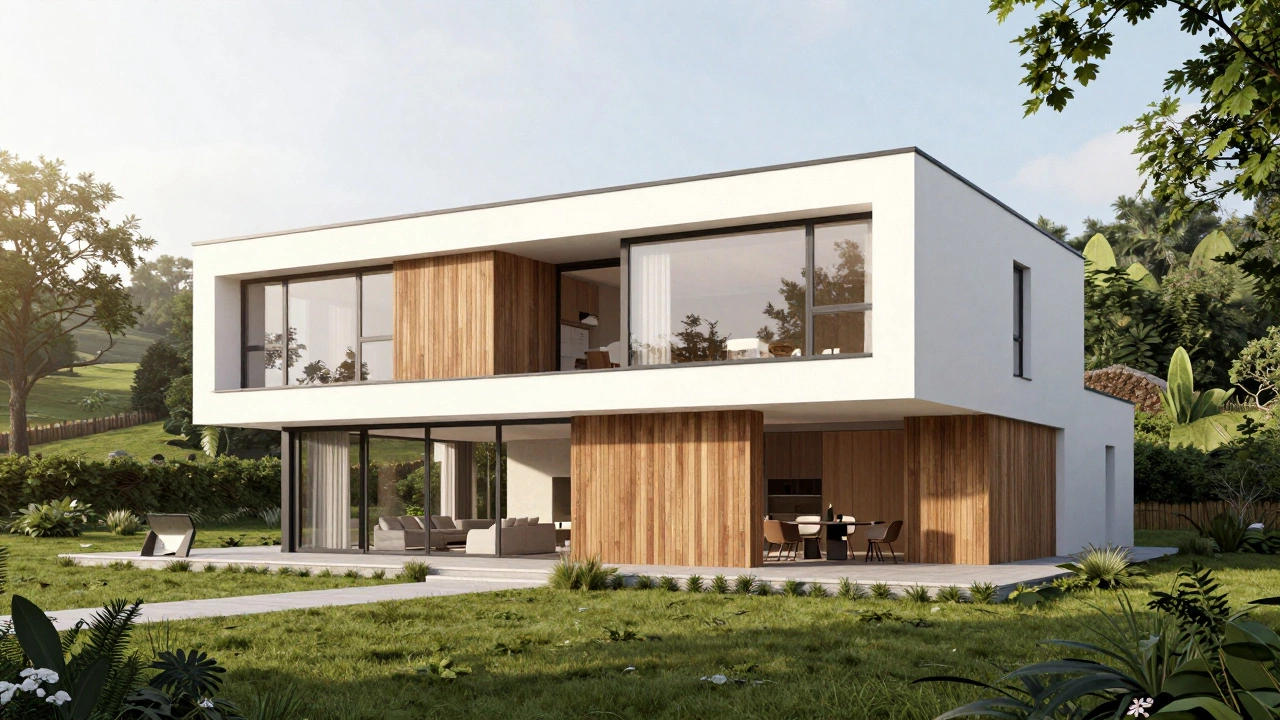
Think beyond the closing date. How will your home perform in five years? Custom builds often hold value better because they reflect unique tastes and higher-quality materials. Buyers pay premiums for distinctive features-like open-plan living spaces, premium appliances, or sustainable tech integrations. Standard new builds, however, can age quickly. Cheap fixtures wear out, and generic designs become outdated faster. If you plan to sell soon, a custom build might fetch a higher price per square meter.
But here’s the catch: customization doesn’t guarantee appreciation. Over-designing your home can hurt resale value. If you spend $50,000 on luxury marble countertops in a neighborhood where average homes use laminate, you won’t recoup that investment. Buyers care about functionality, not extravagance. Stick to neutral tones, durable materials, and efficient layouts. These elements attract broader buyer pools and protect your equity.
Can I customize a new-build home?
Some developers offer limited customization options, such as choosing paint colors or cabinet styles. However, structural changes-like moving walls or adding rooms-are rarely allowed once construction begins. If flexibility is crucial, building from scratch gives you full control over every detail.
What are the biggest risks of building a home?
The top risks include budget overruns, construction delays, and quality issues. Without proper oversight, contractors may cut corners, leading to costly repairs later. Always hire experienced builders, secure detailed contracts, and maintain regular site inspections to mitigate these dangers.
Is it worth building if I plan to move in 3-5 years?
Probably not. Building takes time and money, and short-term ownership rarely recoups those costs. Unless you own land already, buying a new home offers quicker entry and exit strategies. Long-term owners benefit most from custom builds through personalized comfort and potential appreciation.
How much does it cost to build a house in 2026?
In major urban areas, expect to pay between $700-$1,200 per square meter for mid-range construction. High-end finishes or complex designs can push costs above $1,500 per square meter. Rural areas tend to be cheaper, but access to skilled labor may increase expenses.
Should I hire an architect or use stock plans?
Stock plans save money initially ($500-$2,000) but limit customization. Architects charge more ($5,000-$20,000+) but tailor designs to your site, lifestyle, and local regulations. For unique lots or specific needs, an architect adds significant value. For simple builds, stock plans suffice.
Final Verdict: Who Should Build?
So, who should build? People who own land, have patience, crave control, and understand financial risks. If you fit that profile, building rewards you with a home tailored to your life. Everyone else should probably buy. Buying a new home simplifies the process, reduces uncertainty, and lets you focus on enjoying your space instead of managing subcontractors. There’s no shame in choosing convenience-it’s smart pragmatism.
Before deciding, run the numbers twice. Include hidden costs, timeline impacts, and opportunity costs. Talk to local builders, check recent sales data, and consult a financial advisor. Your decision shapes your next decade. Make it informed, not impulsive.