Foundation Repair Estimator & Diagnostic Tool
Use this tool to assess your home's condition. Select the symptoms you are experiencing and provide basic property details to get an estimated repair range and recommended action plan.
Severity Level
Recommended Action:
$0 - $0
*NZD Estimate. Prices vary by contractor and site access.*
Enter your home's symptoms above and click "Analyze" to see results.
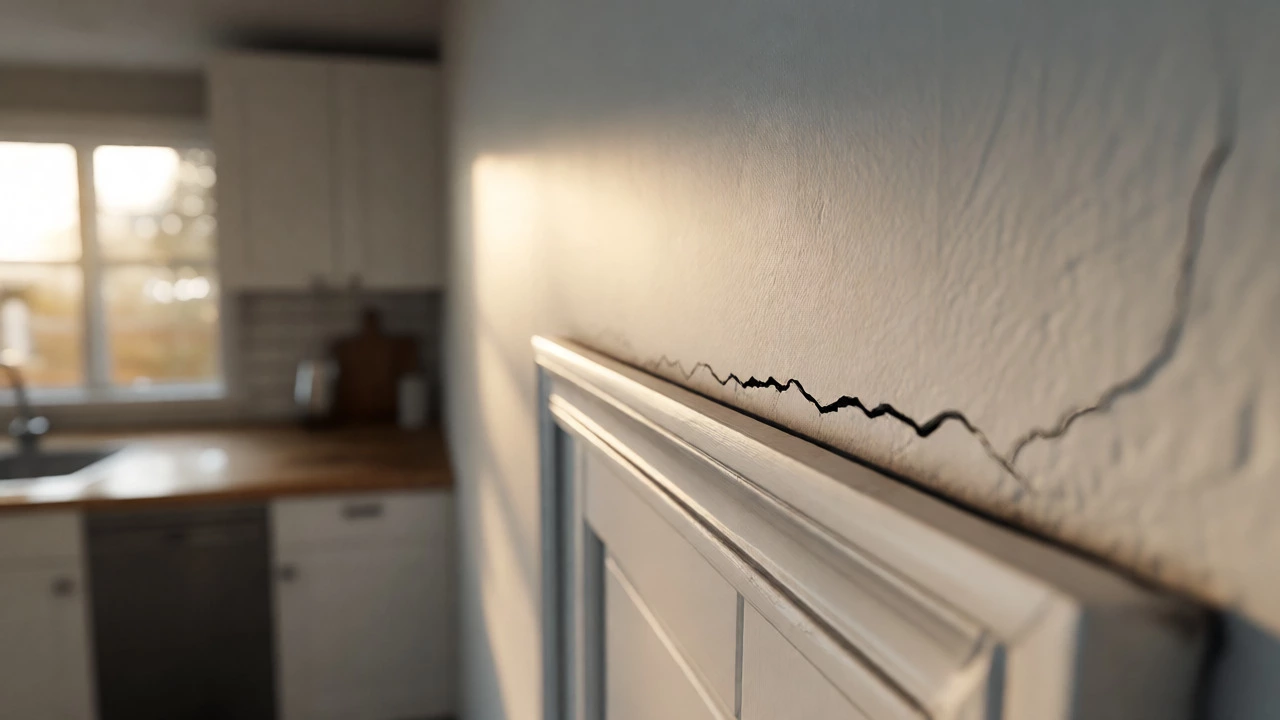
You notice a crack in the drywall above your kitchen door. It’s small, maybe a hairline fracture, but it wasn’t there last year. Then you feel the floor tilt slightly when you walk toward the back of the house. Panic sets in. You’ve heard horror stories about foundation repairs costing tens of thousands of dollars, only for the problem to come back six months later. So, you ask yourself: does foundation repair really work? Or is it just a cash grab by contractors looking to make a quick buck?
The short answer is yes, it works-but with major caveats. Foundation repair isn't magic. It doesn't fix bad soil, poor drainage, or structural neglect overnight. But when done correctly by qualified professionals using proven methods, it stops movement, stabilizes your home, and often restores levelness. The key lies in understanding what kind of damage you have, why it happened, and which repair method actually addresses the root cause rather than just masking symptoms.
Why Foundations Move (And Why It Matters)
To understand if repair works, you first need to know why foundations fail. In Auckland and much of New Zealand, the ground beneath our houses is dynamic. Clay soils swell when wet and shrink when dry. This cycle creates pressure on concrete slabs and piles. If your house sits on reactive clay, that summer drought followed by a heavy winter rain can literally lift one corner of your home while sinking another.
But soil isn't the only culprit. Poor drainage around the perimeter of your home directs water straight into the foundation zone. Leaking gutters, downpipes that dump water right against the wall, or improper grading all contribute. Tree roots seeking moisture can also underpin shallow foundations, lifting them unevenly. Before any contractor touches your slab, they must diagnose the source. If they don't, no amount of steel piers will stop the movement because the environmental trigger remains active.
The Three Main Types of Foundation Damage
Not all cracks are created equal. Contractors who quote every job as a "full re-pier" without inspecting the specific failure mode are selling you fear, not solutions. Here’s how to categorize the damage:
- Cosmetic Cracking: Hairline cracks in plasterboard or brick veneer caused by minor seasonal movement. These rarely require structural intervention. They’re annoying but harmless.
- Differential Settlement: One part of the house sinks more than another. This causes doors to stick, floors to slope, and windows to jam. This usually requires physical intervention like piers or mudjacking.
- Lateral Movement: The foundation pushes sideways, often due to hydrostatic pressure from saturated soil. This is serious and can compromise wall integrity, requiring retaining walls or underpinning.
If you have cosmetic cracking, paying $15,000 for extensive underpinning is overkill. If you have severe differential settlement, ignoring it leads to broken pipes and warped frames. Diagnosis is everything.
Do Common Repair Methods Actually Hold Up?
Let’s look at the most popular techniques used in New Zealand and evaluate their long-term effectiveness based on engineering principles and homeowner feedback.
| Method | Best For | Longevity | Cost Range (NZD) | Effectiveness Rating |
|---|---|---|---|---|
| Steel Piers | Deep settlement, unstable soil | Permanent (50+ years) | $2,500 - $4,000 per pier | High |
| Concrete Piles | New builds, stable soil conditions | Very Long (30-50 years) | $1,800 - $3,000 per pile | High |
| Mudjacking (Slab Jacking) | Sunken concrete slabs, voids | Medium (5-10 years) | $50 - $100 per sq meter | Moderate |
| Epoxy Injection | Non-structural cracks | Permanent seal | $200 - $500 per crack | Low (Structural) |
Steel Piers: The Gold Standard for Stability
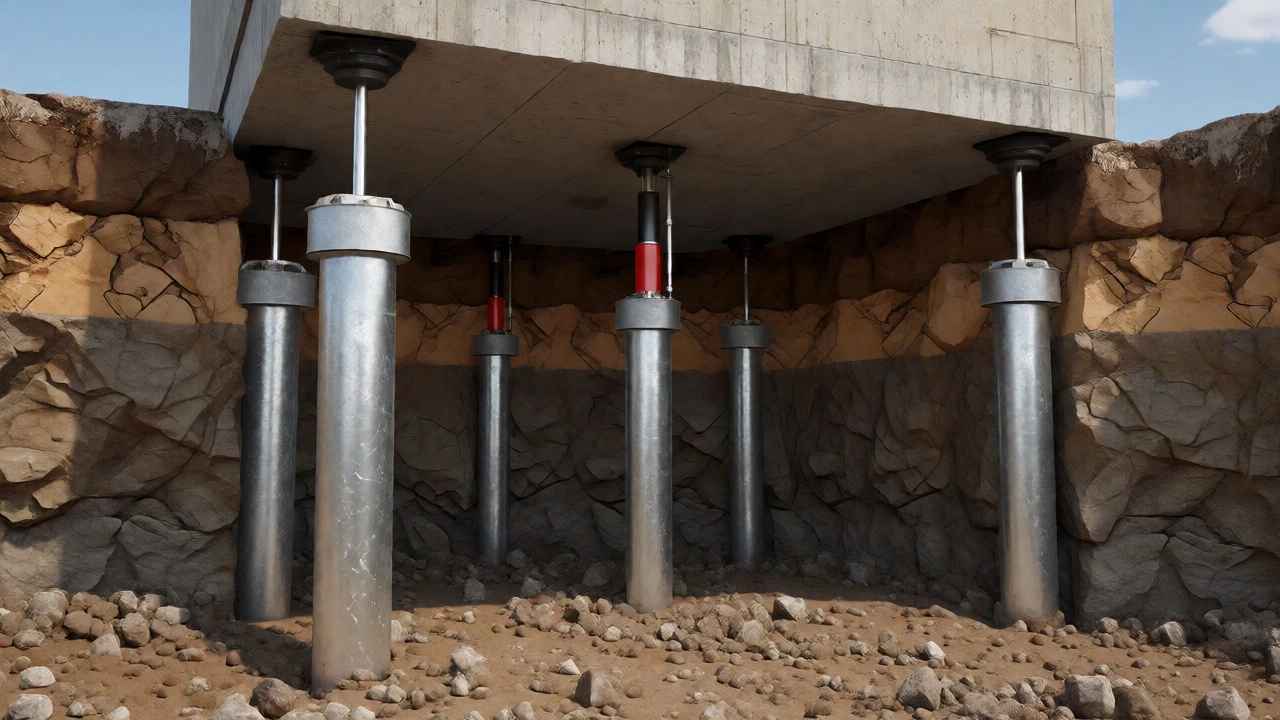
When people ask if foundation repair works, they’re usually thinking about steel piers. These are galvanized steel tubes driven deep into the earth until they hit bedrock or dense load-bearing strata. The weight of the house is then transferred from the failing soil to this solid base via hydraulic jacks.
Does it work? Yes. Steel piers bypass the unstable topsoil entirely. Once installed, they provide a rigid support system that won’t shift with seasonal moisture changes. However, installation is invasive. You’ll see scars in your lawn, and access can be tricky if your house has limited clearance underneath. But structurally, it’s robust. Many engineers consider helical piers (which screw into the ground) even better for difficult sites because they create less vibration during installation.
Mudjacking: A Temporary Fix for Specific Problems
Mudjacking involves pumping a cementitious grout mixture under a sunken concrete slab to lift it back up. It’s cheaper and faster than piers. But does it last? Often, no. The grout fills the void, but if the underlying soil continues to erode or compress, the slab can sink again within five to ten years. Mudjacking works best for garage floors, driveways, or sidewalks-not necessarily for the main living areas of a timber-framed house on piles.
Think of mudjacking as putting a bandage on a wound that needs stitches. It looks good immediately, but if the infection (soil instability) isn’t treated, the problem returns.
The Hidden Factor: Drainage and Maintenance
Here is the uncomfortable truth: foundation repair fails most often not because the piers broke, but because the homeowner didn’t fix the water issue. Imagine installing expensive steel piers under a house where the gutter downpipe still dumps 50 liters of water directly against the foundation every time it rains. That water saturates the soil around the new piers, potentially causing heave or corrosion issues over decades.
Successful repair includes a comprehensive site assessment. Did the contractor recommend extending downpipes? Did they suggest French drains to redirect groundwater away from the footings? Did they advise removing large trees too close to the house? If the quote is just for "piers" and nothing else, be skeptical. Real repair is holistic.
How to Spot a Bad Contractor vs. a Good One
Your decision to trust a repair depends heavily on who performs it. The industry is rife with salesmen disguised as engineers. Here’s how to filter them out:
- The Salesman: Comes to your house, points at a crack, says "Your house is falling down," and offers a discount if you sign today. He uses scare tactics and vague terms like "total stabilization." Avoid.
- The Engineer-Led Firm: Sends a structural engineer or a highly experienced inspector first. They measure elevation differences using laser levels. They explain *why* the movement occurred. They offer multiple options (monitoring, minor repair, major underpinning) with pros and cons for each. Trust these people.
A good contractor will tell you if you don’t need repair. If they push for unnecessary piers on a house with only cosmetic cracks, they’re prioritizing profit over your home’s health. Ask for references from jobs completed three or more years ago. Visit those homes. Are the doors still sticking? Have new cracks appeared? That’s your real test of whether the repair worked.
What Happens After the Repair?
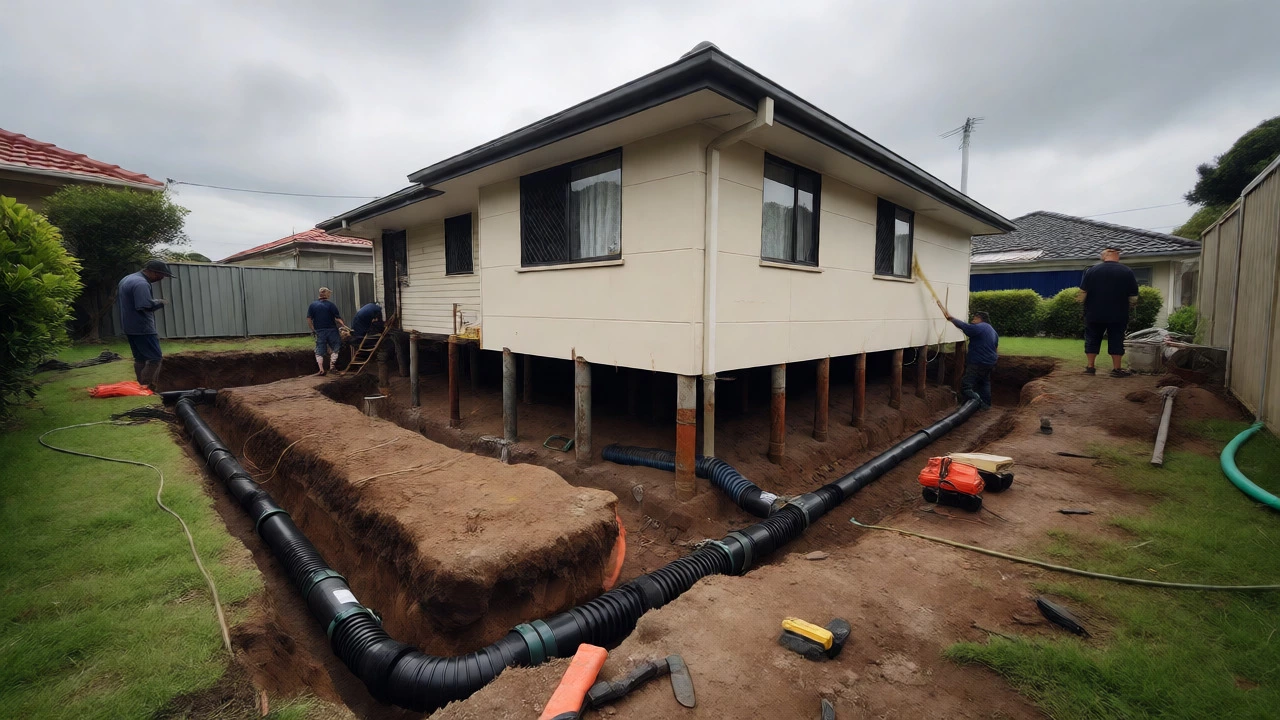
Once the piers are in and the house is leveled, the job isn’t quite done. You need to monitor the structure. Most reputable warranties cover the piers themselves but not the plasterwork. Why? Because interior finishes may still show stress marks as the house settles into its new equilibrium.
Expect some new hairline cracks in drywall after the work. This is normal as the frame adjusts. Wait six months before repainting or patching significant cracks. If major structural shifts continue after a professional repair, return to the contractor. Reputable companies stand by their work and will investigate further, perhaps checking for hidden leaks or neighboring construction impacts.
Is It Worth the Investment?
This comes down to property value and safety. A house with visible, ongoing foundation movement is hard to sell. Buyers’ inspectors will flag it, leading to price reductions or failed sales. A documented, professionally repaired foundation removes that red flag. It turns a "problem property" into a sound asset.
Furthermore, ignoring severe settlement can lead to broken sewer lines, torn plumbing, and warped window frames-repairs that cost extra money and hassle. Fixing the foundation early prevents secondary damage. While the upfront cost ($15k-$30k+) stings, it’s often cheaper than the cumulative cost of neglected structural decay.
Frequently Asked Questions
How long does foundation repair take?
For an average single-story home, pier installation typically takes 2-4 days. This includes excavation, driving piers, jacking the house, and backfilling. More complex multi-story buildings or those with difficult access can take up to two weeks. Post-repair landscaping restoration adds another few days.
Will foundation repair fix my cracked bricks?
It stops them from getting worse, but it won't automatically close existing cracks. Brick is brittle; once it breaks, it stays broken unless replaced. The goal of repair is to stabilize the foundation so no new cracks form. Cosmetic repair of existing cracks is a separate task, usually done after the house has settled post-repair.
Can I do foundation repair myself?
DIY kits exist for minor slab jacking or epoxy injection, but structural underpinning with steel piers is strictly professional work. Improper jacking can shatter windows, break pipes, or cause further structural damage. Unless you have engineering expertise and heavy machinery, hire a pro.
Does foundation repair affect insurance claims?
In New Zealand, standard home insurance often excludes gradual wear and tear or subsidence caused by natural soil movement. However, if the damage was sudden and accidental (like a burst pipe washing out soil), you might claim the leak repair. Always check your policy wording regarding "subsidence" and "heave." Some specialized policies cover it, but it's rare.
How do I know if my house needs leveling or just stabilization?
Leveling implies raising the house back to its original position, which can be risky and costly. Stabilization means stopping further movement. Most modern approaches focus on stabilization first. If the tilt is minor (under 1%), stabilization is preferred. If the tilt is severe enough to make furniture slide or doors unopenable, partial leveling might be necessary. Discuss the risks of over-lifting with your engineer.