NZ House Extension Cost Estimator (2026)
Use this tool to get a realistic estimate for your project. Prices are estimates for 2026 in NZD, excluding GST.
Project Details
Estimated Budget Range
Select options and click "Calculate" to see your estimated costs.
Total Project Cost (Excl. GST)
So, you’ve hit the wall. Your family is growing, your kids are fighting over room space, or maybe you just realized that working from the kitchen table isn’t sustainable anymore. You look at your current floor plan and think, "I need more space." The next thought is usually, "How much is this going to hurt my bank account?"
If you’re in Auckland, New Zealand’s largest city where housing demand drives high construction costs, you’re not alone. But before you panic, let’s get real about the numbers. There is no single price tag for a house extension. It depends on what you’re building, where you’re building it, and how fancy you want the finish to be. In 2026, with material costs stabilizing but labor shortages still lingering, knowing the baseline helps you negotiate better with builders.
The Quick Summary: What to Expect
- Basic Single-Storey Addition: Expect to pay between $2,500 and $3,500 per square meter (NZD) for standard finishes.
- Complex Two-Storey Extensions: Costs jump to $3,500-$4,500+ per square meter due to structural reinforcement and scaffolding.
- Kitchen/Bathroom Add-ons: These are the most expensive per square meter because of plumbing, electrical, and cabinetry density.
- Hidden Costs: Budget an extra 10-15% for consent fees, unexpected structural issues, and design changes.
- DIY Savings: Doing your own painting and flooring can save 5-10%, but never DIY the structure unless you know what you’re doing.
Understanding the Cost Drivers
Why does one neighbor pay $150k for a similar-looking extension while another pays $250k? It comes down to three main factors: complexity, location, and quality of materials.
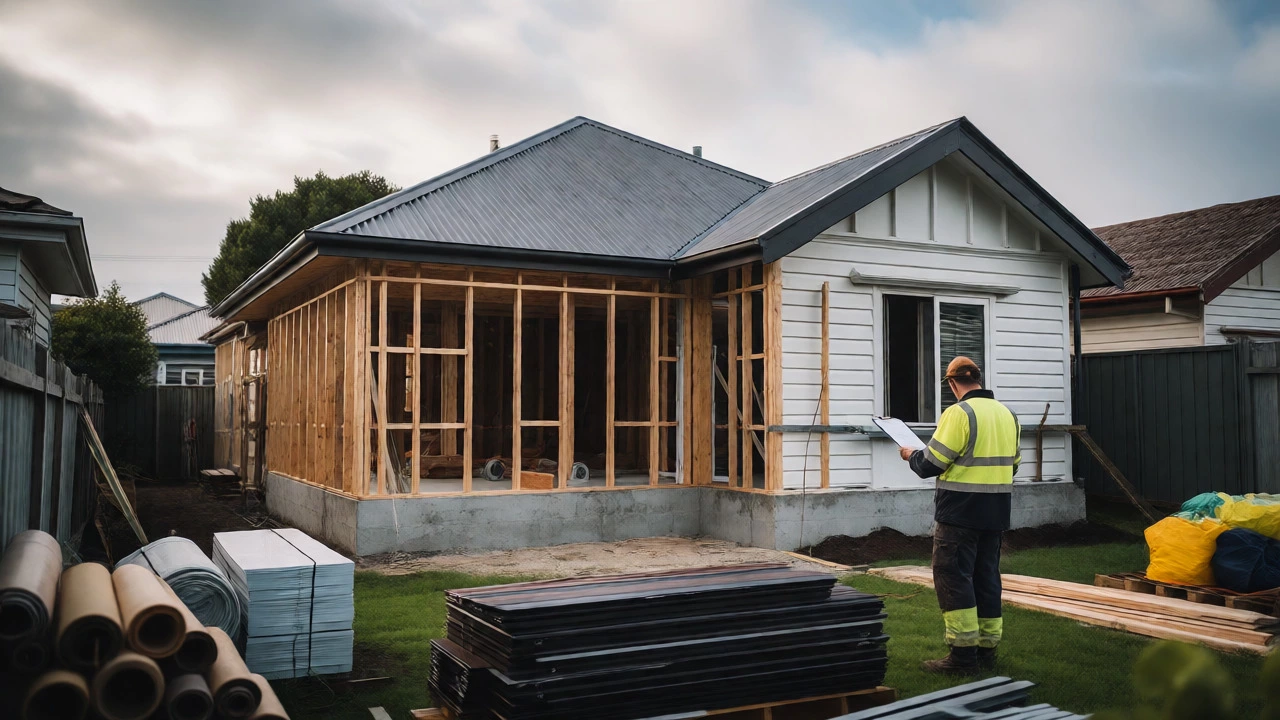
First, let’s talk about Complexity. A simple box extension attached to the back of your house is straightforward. It needs foundations, walls, a roof, and windows. But if you’re trying to match a complex roofline on an older villa, or if you need to underpin existing foundations because the soil is unstable, the price skyrockets. Every corner, every angle, and every change in height adds labor hours. Labor is often 40-50% of your total bill in NZ.
Second, Location matters. If you live in central Auckland, access might be tight. Builders might need cranes or special equipment to get materials into a narrow backyard. That costs money. In contrast, a site in Hamilton or Christchurch might have easier access, potentially lowering logistics costs. Also, local council rules vary. Some zones have stricter resource consents which take time and money to secure.
Third, Materials are where you have the most control. Do you want vinyl siding or cedar cladding? Double-glazed aluminum windows or basic timber? The difference between a mid-range finish and a high-end designer finish can easily double the interior fit-out costs.
Detailed Breakdown by Extension Type
To give you concrete numbers, let’s break down common extension types. Note that these figures are estimates for 2026 in the New Zealand market, excluding GST.
| Extension Type | Cost Per m² (NZD) | Key Cost Factors |
|---|---|---|
| Single-Storey Box | $2,500 - $3,200 | Simple roofline, standard insulation, vinyl cladding. |
| Two-Storey Addition | $3,500 - $4,800 | Structural steel/timber framing, stairs, scaffolding, higher wind loads. |
| Kitchen Extension | $3,000 - $5,000+ | Plumbing, electrical, custom joinery, appliances, benchtops. |
| Bathroom Addition | $3,500 - $5,500+ | Waterproofing, drainage, tiling, fixtures, ventilation. |
| Deck/Patio | $800 - $1,500 | Timber vs. composite decking, railing type, foundation piers. |
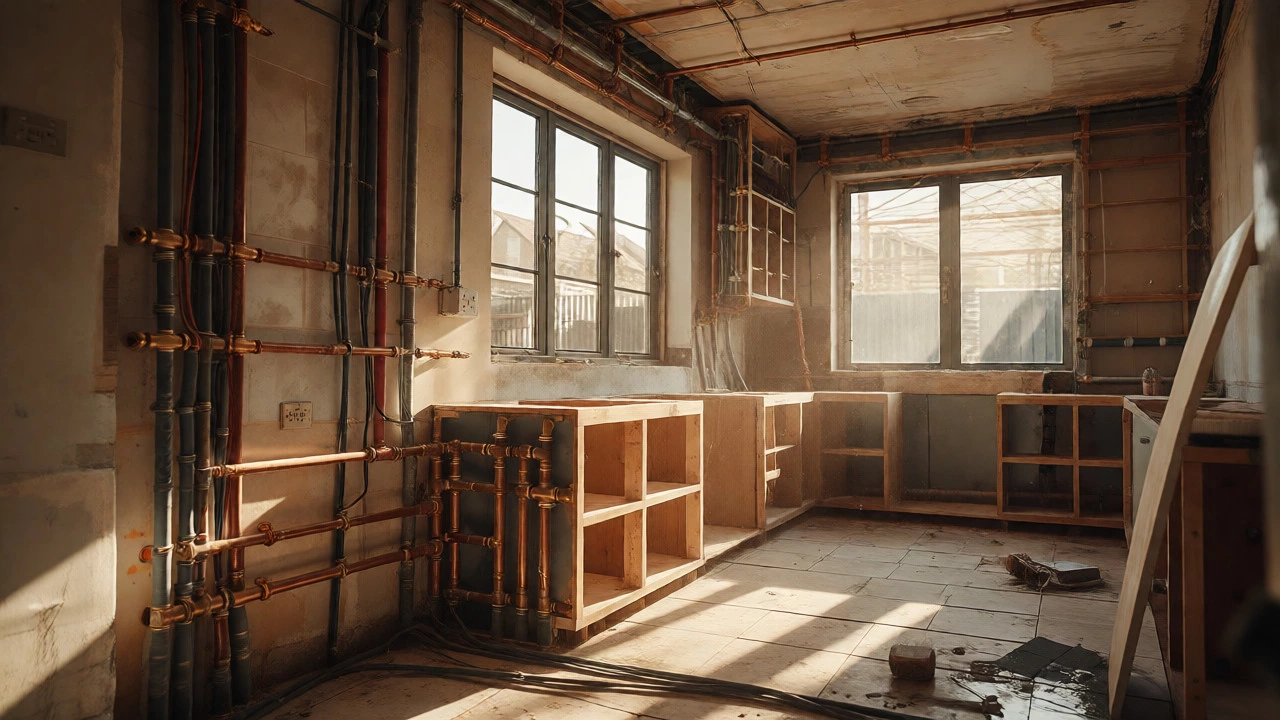
Notice how the kitchen and bathroom cost more per square meter than a bedroom? That’s because they require specialized trades. You need plumbers, electricians, tilers, and cabinet makers all coordinating. If you’re adding a second bathroom, don’t just look at the size; look at the distance from the existing sewer line. Running new pipes across a long stretch of garden can add thousands to the bill.
The Hidden Costs No One Tells You About
You get a quote from a builder for $180,000. You sign the contract. Six months later, you’ve spent $210,000. Where did that extra $30k go? Here are the usual suspects.
Consent Fees: In Auckland, applying for a building consent can cost anywhere from $2,000 to $5,000 depending on the project size. Plus, you’ll likely need a geotechnical engineer to assess the ground conditions. That’s another $1,500-$3,000.
Unexpected Structural Issues: This is the big one. Once the old walls come down, you might find rot, asbestos (in pre-1980s homes), or inadequate footings. Fixing these isn’t optional; it’s required for safety. Always keep a contingency fund of at least 10% of your total budget for surprises.
Design Changes: Changing your mind halfway through is expensive. Moving a power outlet is cheap. Moving a load-bearing wall after the roof is up? Very expensive. Try to finalize your plans before breaking ground.
Licence Fee Waivers: Did you know that if your build value is under $27,000 (excluding GST), you might qualify for a licence fee waiver from the government? Check the latest criteria from the Building Commission, as thresholds can shift. For larger builds, you’ll pay the full licence fee, which is a percentage of the build cost.
How to Save Money Without Cutting Corners
You don’t need to sacrifice quality to stay within budget. You just need to be strategic.
Stick to Rectangles: Curved walls and complex angles require more cutting, more waste, and more skilled labor. A simple rectangular footprint is always cheaper to build.
Use Standard Window Sizes: Custom-sized windows are significantly more expensive. Design your layout around standard off-the-shelf window dimensions available from suppliers like James Hardie or Alucobond distributors.
Phased Construction: If cash flow is tight, consider doing the structure now and finishing the interiors later. Or, build the shell and leave the landscaping for next year. Just ensure the temporary weatherproofing is solid.
Get Multiple Quotes: Never accept the first quote. Get at least three detailed quotes from licensed builders. Compare them line by line. If one is much cheaper, ask why. Are they using cheaper materials? Are they skipping waterproofing membranes?

Should You Extend or Move?
This is the million-dollar question. In Auckland, moving costs are high-stamp duty (if reintroduced or applicable via other levies), agent commissions, legal fees, and removalist costs can eat up $50k-$80k easily. Plus, you lose your community connections.
Extending allows you to stay put. However, if your land value is low compared to the cost of extension, moving might make financial sense. Calculate the potential resale value increase. A well-executed extension typically adds 10-15% to your property value. If your extension costs $200k but only adds $150k in value, you’re losing money financially, though you gain lifestyle benefits.
Next Steps: Preparing for Your Quote
Before you call a builder, do your homework. This saves time and ensures accurate quotes.
- Measure Your Space: Take rough measurements of the area you want to extend. Sketch a basic floor plan.
- Define Your Needs: Is it a bedroom? A study? List must-haves vs. nice-to-haves.
- Check Council Rules: Visit the Auckland Council website to check zoning rules. Can you build two storeys? How close to the boundary can you build?
- Hire a Designer or Architect: For anything beyond a simple box, professional drawings help builders quote accurately. Expect to pay $2,000-$5,000 for concept designs.
- Interview Builders: Ask for references. Visit their previous projects. Ensure they are Licensed Building Practitioners (LBPs).
How long does a typical house extension take?
A simple single-storey extension can take 3-4 months from start to finish. Complex two-storey extensions or those requiring significant structural work can take 6-9 months. Remember to add 2-3 months for obtaining consents and designing plans before construction begins.
Do I need planning permission for a small extension?
In New Zealand, many minor works are exempt from building consent, but they still need to comply with the Building Code. However, if you’re altering the exterior appearance significantly or affecting neighboring properties, you may need a resource consent. Always check with your local council before starting.
Can I live in the house during the extension?
Yes, but it’s messy and noisy. Dust, noise, and loss of privacy are major factors. Many families choose to move out temporarily, especially if the kitchen or bathroom is being used. If you stay, set up a temporary kitchen and clearly define 'no-go' zones for safety.
What is the biggest mistake people make when extending?
Underestimating the budget and timeline. People often forget contingency funds and assume everything will go smoothly. Another common mistake is poor integration with the existing house, leading to drafts, mismatched aesthetics, or awkward floor levels.
Does an extension increase home value?
Generally, yes. Adding usable living space increases marketability. However, the return on investment varies. Over-capitalizing-building a luxury extension in a modest neighborhood-can result in lower returns. Aim for improvements that align with the average standard of homes in your suburb.