Kitchen Style Selector
Select the features that appeal most to you to discover which 2026 kitchen style suits your home best.
- • Warm wood tones (Oak, Walnut)
- • Natural stone (Marble, Quartzite)
- • Cozy, lived-in feel
- • Textured backsplashes (Zellige)
- • Neutral/Sophisticated colors (Sage, Navy)
- • Sleek surfaces (Quartz, Sintered Stone)
- • Polished, timeless look
- • Large format tiles or glass
I need a space that feels welcoming and handles daily chaos. I value warmth, easy-to-clean matte finishes, and an island that acts as a gathering spot for kids and family.
I host dinner parties and want a backdrop that photographs well. I prefer curated open shelving, high-end hardware, and a clean, uncluttered aesthetic.
Walk into any major home improvement store or scroll through a renovation feed today, and you’ll notice something interesting. The stark, cold minimalism of the early 2010s is gone. So is the heavy-handed rustic look that dominated for a decade. Instead, we are seeing a shift toward warmth, texture, and functionality. But if you are standing in your own kitchen wondering what direction to take, the question remains: what is the most popular kitchen style now?
The short answer is that there isn't just one winner anymore. We have moved past the era of single-style dominance. However, two distinct aesthetics are currently leading the pack in 2026: the evolved Modern Farmhouse and the sophisticated Transitional style. Both prioritize comfort over trendiness, but they achieve it in very different ways.
The Evolution of Modern Farmhouse
If you think Modern Farmhouse is dead because you’ve seen too many shiplap walls, you might be missing the nuance. The style hasn’t disappeared; it has matured. The "Instagrammable" version-with excessive white beadboard and generic mason jar decor-has faded. In its place is a more grounded, authentic approach often called "Organic Farmhouse."
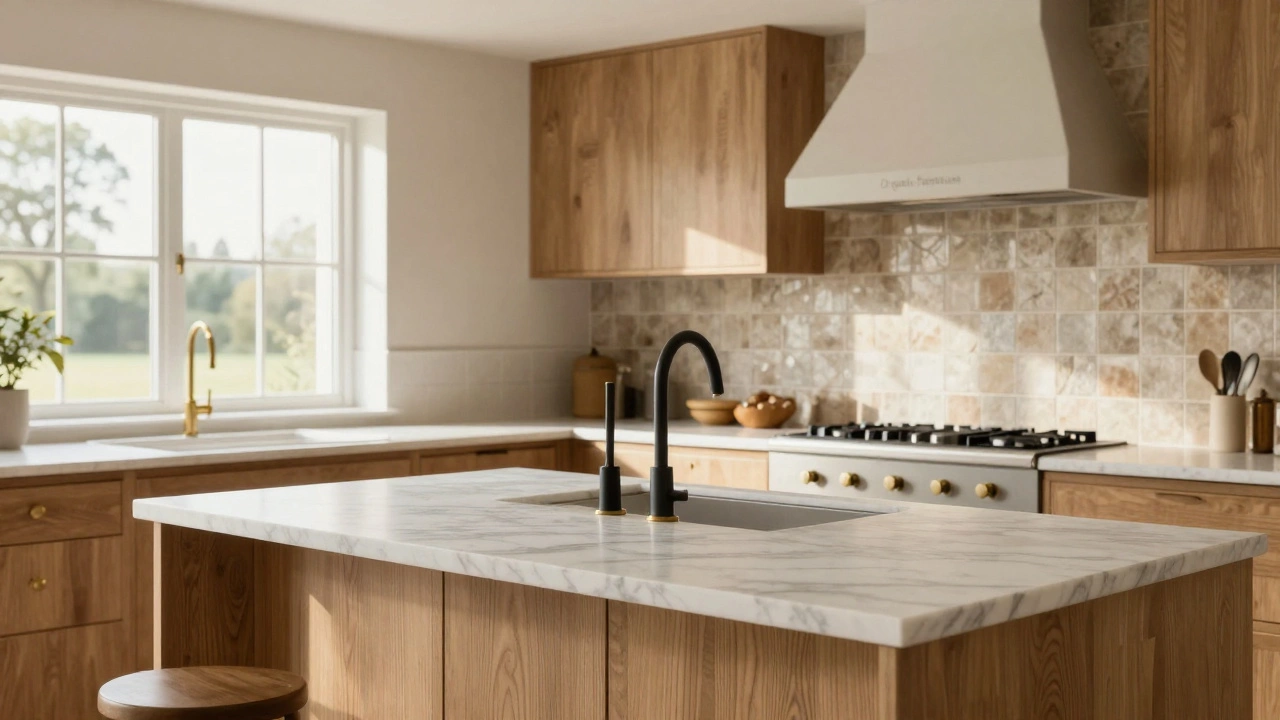
This current iteration focuses on natural materials rather than decorative kitsch. You’ll see warm wood tones replacing stark whites. Think oak or walnut islands instead of painted butcher block. The lighting has shifted from industrial pendants to softer, ceramic or glass fixtures. The goal here is a space that feels lived-in and cozy, not like a showroom set piece.
Key elements include:
- Natural Stone Countertops: Honed marble or quartzite with visible veining adds character without being overly polished.
- Mixed Metals: Combining brushed brass hardware with matte black faucets creates visual interest.
- Textured Backsplashes: Zellige tiles or handmade ceramics replace uniform subway tiles.
This style works particularly well in older homes where preserving some original character makes sense. It bridges the gap between historic charm and contemporary convenience.
The Rise of Transitional Kitchens
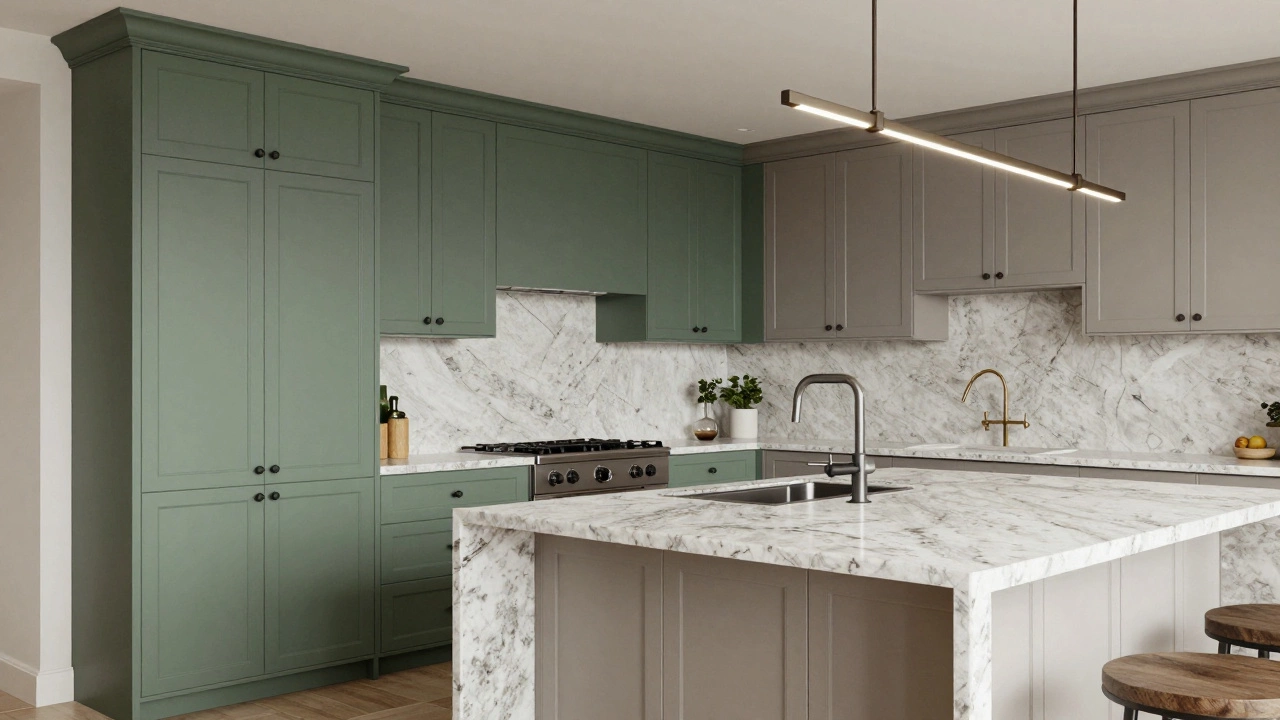
While Modern Farmhouse leans slightly casual, Transitional design is having a moment among homeowners who want a bit more polish. Transitional doesn’t mean boring-it means balanced. It takes the clean lines of modern design and softens them with traditional details. The result is a kitchen that feels timeless rather than trendy.
In 2026, Transitional kitchens are defined by their restraint. There’s no clutter, no overwhelming patterns, and no extreme contrasts. Cabinets tend to be shaker-style or slab doors in neutral colors like sage green, navy blue, or warm gray. The focus is on quality craftsmanship and high-end finishes that age gracefully.
What sets this apart from pure modern design? It’s the hardware and the layers. You’ll find ornate cabinet pulls paired with sleek appliances. Open shelving exists, but it’s curated carefully-only beautiful dishware and cookbooks make the cut. This style appeals to those who entertain frequently and want a backdrop that photographs well but also functions smoothly during a dinner party.
Common Threads Across Popular Styles
Even though Modern Farmhouse and Transitional look different, they share several key features that define popular kitchen design in 2026. These aren’t just stylistic choices-they’re responses to how people actually use their kitchens.
Open Shelving Is Back (But Smarter)
We went through a phase where every upper cabinet was removed for shelves. Then we realized dust bunnies were real enemies. Now, open shelving is used selectively. Homeowners keep one or two sections open to display favorite items while retaining closed storage for everyday clutter. This hybrid approach offers the best of both worlds: visual lightness and practical concealment.
The Island as the Heart of the Home
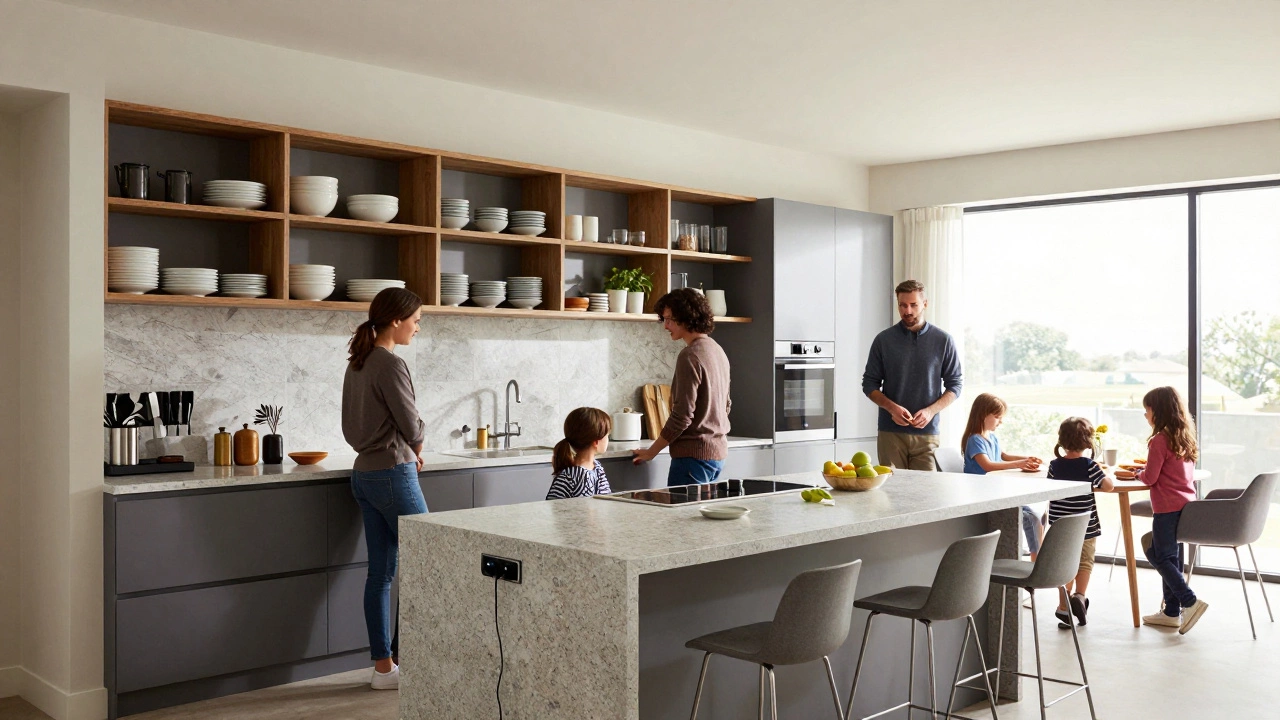
Kitchen islands have grown larger and taken on multiple roles. They’re no longer just prep surfaces. In 2026, islands often incorporate seating, charging stations, wine refrigerators, and even secondary sinks. The island becomes a social hub where family members gather while someone cooks. Materials matter here too-water-resistant surfaces like quartz or sintered stone are preferred for durability.
Matte Finishes Dominate
Glossy everything is out. Matte finishes on cabinets, countertops, and fixtures are everywhere. Matte black faucets and handles add contrast without reflecting fingerprints. Satin-finish paint on cabinetry hides scratches better than high-gloss options. This preference reflects a broader desire for low-maintenance beauty.
| Feature | Modern Farmhouse | Transitional |
|---|---|---|
| Cabinet Color | White, Cream, Light Wood | Sage Green, Navy, Warm Gray |
| Hardware Finish | Brushed Brass, Oil-Rubbed Bronze | Matte Black, Polished Nickel |
| Countertop Material | Honed Marble, Quartzite | Quartz, Sintered Stone |
| Backsplash Style | Zellige Tile, Handmade Ceramic | Large Format Porcelain, Glass |
| Lighting Fixture | Pendant Lights, Ceramic Shades | Linear Chandeliers, Recessed Lighting |
Why Functionality Trumps Aesthetics Alone
A big reason why these styles have gained traction is their emphasis on usability. People spent more time at home recently, and they learned what really matters in a kitchen. It’s not about looking good in a magazine spread-it’s about working well when you’re making breakfast for four kids before school.
Popular designs now include deeper drawers for pots and pans, pull-out trash bins, and dedicated zones for coffee makers or air fryers. Storage solutions are built-in rather than added later. This functional mindset influences material choices too. Durable surfaces resist stains and heat, saving time on cleaning and repairs.
Consider the layout. Open-plan living continues to dominate new builds and renovations. Kitchens flow seamlessly into dining areas and living rooms. This requires careful planning to ensure noise levels stay manageable and sightlines remain pleasing. Large windows bring in natural light, reducing reliance on artificial sources during the day.
Regional Variations Matter
It’s worth noting that popularity varies by location. In coastal regions like Auckland, New Zealand, lighter palettes and weather-resistant materials prevail due to humidity and salt air. Inland cities might favor darker woods and heavier stones for insulation properties. Urban apartments lean toward compact, efficient layouts with smart appliances, while suburban homes have room for expansive islands and walk-in pantries.
Climate affects design decisions significantly. Areas with harsh winters may opt for heated floors and thicker countertops. Tropical zones benefit from ventilation systems and moisture-resistant cabinetry. Understanding local conditions helps tailor national trends to specific needs.
How to Choose Your Own Path
So, which style should you pick? Start by assessing your lifestyle. Do you cook daily? Entertain often? Have young children? Each factor influences priorities. If you value ease of maintenance, go with simpler surfaces and fewer decorative elements. If you love hosting guests, invest in durable yet elegant materials that withstand frequent use.
Budget plays a role too. High-end stone countertops cost more upfront but last decades. Laminate alternatives mimic realistic looks at lower prices. Mix expensive focal points with affordable basics to balance costs effectively.
Finally, trust your instincts. Trends come and go, but your kitchen will remain part of your home for years. Pick elements that resonate personally. Maybe you adore vintage-inspired knobs or crave a bold backsplash pattern. Personal touches prevent your space from feeling generic.
Is Modern Farmhouse still considered outdated?
Not exactly. While the exaggerated versions with excessive shiplap and distressed furniture feel dated, the core principles of warmth and natural materials remain relevant. The updated Organic Farmhouse style removes the clichés and focuses on authenticity.
What color cabinets are trending in 2026?
Neutral tones dominate, including sage green, navy blue, warm gray, and off-white. Bold accent colors like deep teal or mustard yellow appear occasionally but usually limited to lower cabinets or islands.
Should I remove all my upper cabinets for open shelving?
Probably not. A mixed approach works best. Keep some closed storage for less attractive items like small appliances and pantry goods. Use open shelves strategically to display beautiful dishes or plants.
Are matte black fixtures hard to maintain?
Actually, they hide water spots and fingerprints better than chrome or stainless steel. Just wipe them down regularly with a soft cloth to avoid buildup. Avoid abrasive cleaners that could damage the finish.
How do I blend traditional and modern elements successfully?
Start with a base of clean lines and simple shapes. Add traditional touches through hardware, lighting, or textiles. Ensure proportions match so nothing feels out of place. Balance is key-don’t overload either side.