Foundation Repair Cost & Severity Estimator
Describe the Issue
Enter details above to see estimated repair costs and severity level.
Imagine you've found the perfect home. The kitchen is updated, the backyard is spacious, and the price is right. Then your inspector hands you a report that mentions "differential settlement" or "cracks in the foundation." Your stomach drops. Is this a deal-breaker? Or is it just another item on the to-do list?
This is one of the most stressful moments in buying a house. You're standing at a crossroads: walk away and keep looking, or stay and potentially spend thousands fixing the bones of the house. There is no single answer because every foundation is different. However, there are clear red flags and manageable problems. Knowing the difference can save you from buying a money pit or help you negotiate a better price.
The Anatomy of a Foundation Problem
To decide whether to walk away, you first need to understand what you are looking at. Not all cracks are created equal. Some are cosmetic nuisances; others signal that the house is actively moving apart.
Slab foundations, common in warmer climates like Florida or Arizona, sit directly on the ground. Cracks here can be caused by soil shifting or water intrusion. In contrast, basement foundations have walls below ground level. These are more susceptible to hydrostatic pressure-the weight of water pushing against the walls-which can cause bowing or inward leaning.
Here is how to categorize what you see during an inspection:
- Hairline cracks (less than 1/16 inch): These are usually harmless. Concrete shrinks as it cures, leading to tiny surface cracks. They might let in some moisture, but they rarely affect structural integrity.
- Vertical cracks: Often caused by settling. If they are narrow and not widening, they are typically monitored rather than repaired immediately.
- Horizontal cracks: This is a major red flag. Horizontal cracks in basement walls often indicate that the soil outside is pushing the wall in. This requires immediate attention and likely expensive reinforcement.
- Stair-step cracks: Found in brick or concrete block walls. While small stair-step cracks can be normal settling, wide ones suggest the structure is shifting unevenly.
- Diagonal cracks: Especially if they are wider at the top than the bottom, these suggest differential settlement-one part of the house is sinking faster than another.
When to Definitely Walk Away
There are specific scenarios where the risk outweighs the reward. Walking away isn't just about fear; it's about financial self-preservation. Consider leaving the deal if you encounter any of the following:
- Active Movement: If the inspector notes that doors and windows are currently sticking or jamming, the house is still moving. Fixing a foundation that hasn't stopped shifting is like trying to nail down a wobbly table while someone is still kicking the legs. You need stability before you can repair.
- Severe Horizontal Cracking: As mentioned, horizontal cracks indicate high external pressure. Repairing this often involves installing carbon fiber straps, steel I-beams, or wall anchors. Costs can easily exceed $10,000 to $30,000 depending on the length of the wall.
- Extensive Water Intrusion: If the basement floods regularly due to foundation failures, you aren't just dealing with concrete. You're dealing with mold, rotting wood, and ruined finishes. The cost of remediation for water damage alone can dwarf the foundation repair cost.
- No Warranty or Poor Workmanship History: If the seller admits to previous repairs but cannot provide permits or warranties, proceed with extreme caution. Shoddy work can make future repairs harder and more expensive.
- Financial Strain: If the estimated repair cost plus a 20% contingency fund would deplete your emergency savings, walk away. Homeownership should not leave you financially fragile.
When It Might Be Worth Staying
Not every foundation issue is a disaster. Many homes, especially older ones, have minor settling issues that are entirely manageable. You might consider staying in the deal if:
- The Damage is Cosmetic: Small hairline cracks can be sealed with epoxy or polyurethane injection. This is a relatively inexpensive fix ($500-$1,500) that prevents water entry.
- The Seller Will Pay for Repairs: If the seller agrees to hire a reputable contractor to perform necessary underpinning or piering before closing, you mitigate the risk. Ensure the work is done to code and comes with a transferable warranty.
- You Get a Significant Price Reduction: Sometimes, sellers won't do the work but will lower the price. If the discount covers the full repair cost plus a buffer, you gain equity immediately upon fixing the issue.
- The Soil Conditions Are Stable: If the problem was caused by a one-time event, like a tree being removed or a burst pipe, and those triggers are gone, the risk of recurrence is lower.

How to Evaluate the Cost of Foundation Repair
One of the biggest hurdles is getting an accurate quote. General contractors often give rough estimates, but you need specialized knowledge. Here is a breakdown of common repair methods and their typical costs in 2026:
| Repair Method | Best For | Estimated Cost Range (USD) |
|---|---|---|
| Slabjacking (Mudjacking) | Lifting sunken concrete slabs | $500 - $1,300 |
| Piering (Steel Push Piers) | Structural support for settling houses | $1,000 - $3,000 per pier |
| Wall Anchors / Braces | Bowing basement walls | $300 - $800 per anchor |
| Epoxy/Polyurethane Injection | Sealing cracks and stopping leaks | $250 - $750 per crack |
| Underpinning | Major structural instability | $10,000 - $40,000+ |
Note that these prices vary significantly by region. Labor costs in cities like San Francisco or New York will be much higher than in rural areas. Always get three independent quotes from licensed foundation specialists, not just general handymen.
The Importance of a Structural Engineer
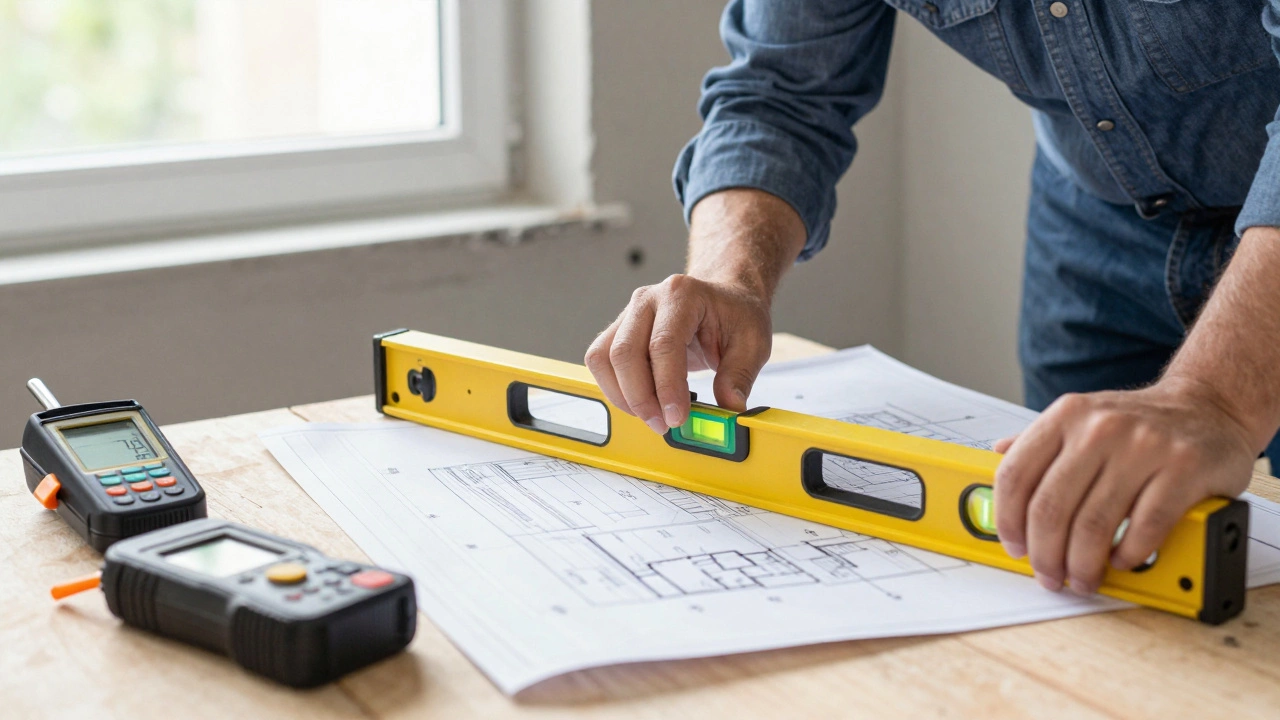
Here is the most critical piece of advice: Do not rely solely on the home inspector's opinion. Home inspectors are generalists. They spot problems, but they don't always know the best solution. Hire a licensed structural engineer. A professional who assesses the load-bearing capacity and stability of buildings.
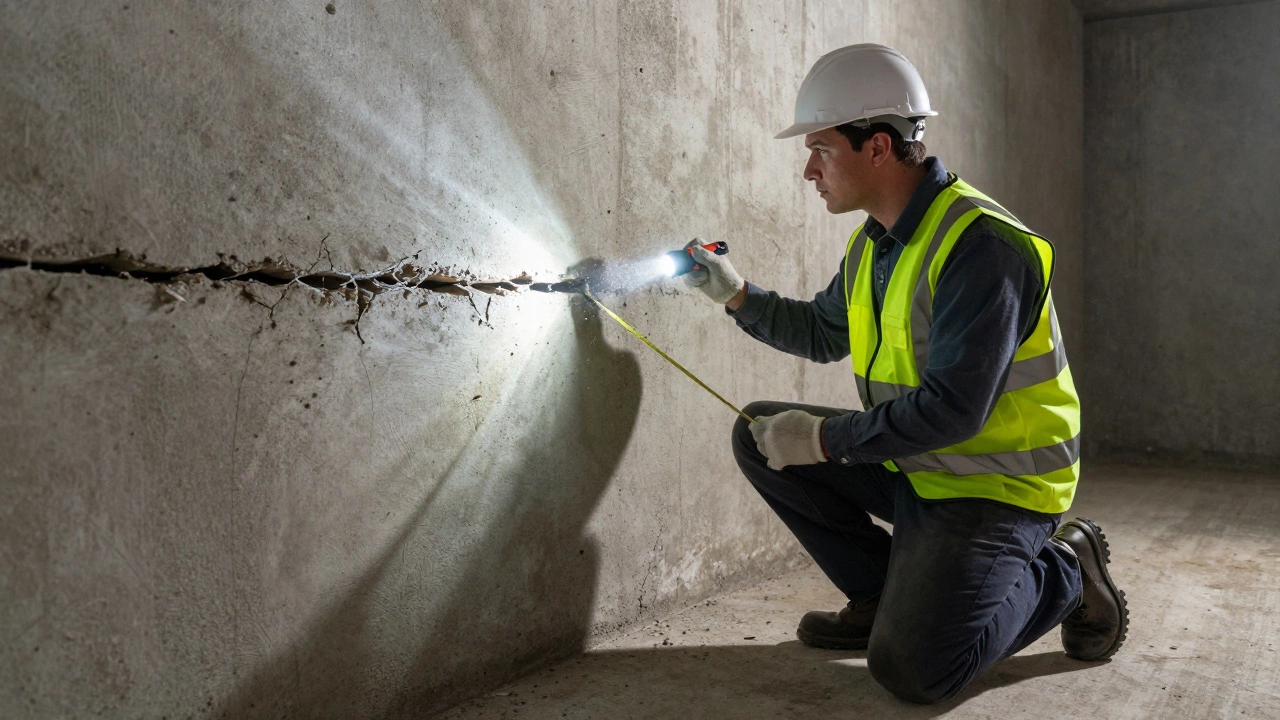
An engineer will visit the site, measure the cracks, check the slope, and write a detailed report. This report serves two purposes:
- Diagnosis: It tells you exactly what is wrong and why. Is it clay soil expanding? Is it poor drainage? Is it termite damage under the slab?
- Negotiation Leverage: Sellers take engineers seriously. If an engineer says the house is unsafe, the seller has little room to argue. If the engineer says it's minor, you have peace of mind.
The cost for a structural engineer is typically between $300 and $600. Compared to the potential loss of tens of thousands of dollars, this is a small investment.
Insurance and Financing Hurdles
Even if you are willing to buy the house, your lender and insurance company might not agree. This is a hidden trap many buyers fall into.
Mortgage Approval: Banks require the collateral (the house) to be sound. If the appraisal notes significant structural defects, the bank may refuse to lend until repairs are made. This can kill the deal even if you have the cash to fix it yourself, because the title cannot transfer until the loan is approved.
Homeowners Insurance: Most standard policies exclude coverage for pre-existing conditions. If you buy a house with known foundation issues, the insurer may deny claims related to further settling or cracking. Some insurers may even refuse to cover the property altogether until repairs are completed and inspected. Ask your agent specifically about "foundation exclusions" before signing the purchase agreement.
Negotiating Your Way Out (or In)
If you love the house but hate the foundation news, use it as leverage. You have three main options:
- Request Repairs Before Closing: Ask the seller to hire a qualified contractor to fix the issues. You retain the right to inspect the work before closing. This is the safest route for you.
- Ask for a Credit: Request a dollar-for-dollar reduction in the sale price based on the repair estimates. You handle the repairs after closing. This gives you control over the quality of work.
- Walk Away: If the seller refuses to budge and the issues are severe, exercise your inspection contingency. You get your earnest money deposit back, and you can move on.
Never waive your inspection contingency for a house with foundation issues unless you are an expert yourself and have verified the stability independently.
Long-Term Maintenance to Prevent Future Issues
If you do buy the house, whether it needs repair or not, proactive maintenance is key. Foundation problems are often symptoms of environmental factors that you can control.
- Manage Drainage: Ensure gutters and downspouts direct water at least 6 feet away from the foundation. Water is the enemy of concrete and soil stability.
- Plant Trees Wisely: Large trees should be planted at a distance from the house. Their roots absorb massive amounts of water, causing the soil beneath the foundation to shrink and settle.
- Maintain Consistent Moisture: In dry climates, use soaker hoses around the perimeter during droughts to keep the soil from shrinking too much. In wet climates, ensure proper grading slopes away from the house.
- Monitor Cracks: Place tape across new cracks or use crack monitors to track if they are widening over time. Early detection prevents catastrophic failure.
Conclusion: Trust Your Gut and Your Data
Deciding whether to walk away from a house with foundation issues is less about the cracks themselves and more about what those cracks represent. Do they represent a simple cosmetic flaw, or do they signal a deeper, ongoing battle with the earth beneath the house?
If the data from a structural engineer shows stability, and the cost of repair is manageable within your budget, the house might still be a great buy. But if the signs point to active movement, severe structural compromise, or financial strain, walking away is not a failure-it's a smart business decision. There will always be another house. There won't always be another chance to recover from a bad foundation investment.
Is it worth buying a house with foundation problems?
It depends on the severity. Minor settling and hairline cracks are common and inexpensive to fix, making the house a viable purchase. However, severe structural damage, active movement, or horizontal cracks often indicate costly repairs that may exceed the home's value, suggesting you should walk away.
How much does it cost to fix a foundation?
Costs vary widely. Simple crack sealing can cost $500-$1,500. Piering to lift a settling house ranges from $1,000 to $3,000 per pier. Major structural repairs like underpinning or wall stabilization can range from $10,000 to over $40,000 depending on the extent of the damage and local labor rates.
Will a house with foundation issues pass inspection?
The house can still "pass" in the sense that the transaction proceeds, but the inspector will note the defects. Lenders may refuse financing if the structural integrity is compromised. Insurance companies may also exclude coverage for foundation-related damages.
What is the difference between a home inspector and a structural engineer?
A home inspector provides a general overview of the home's condition, identifying visible issues. A structural engineer specializes in the load-bearing components of the building. They provide detailed analysis, measurements, and specific repair recommendations for complex foundation problems.
Can I insure a house with foundation problems?
You can often obtain homeowners insurance, but policies typically exclude coverage for pre-existing foundation conditions. Some insurers may require repairs before issuing a policy. Always disclose known issues to avoid claim denials later.
Are horizontal cracks in a foundation serious?
Yes, horizontal cracks are generally considered serious. They often indicate hydrostatic pressure from soil and water pushing against the foundation wall, which can lead to bowing or collapse if not reinforced with anchors or braces.
How long does foundation repair take?
Minor repairs like crack injection can take a few hours. More extensive work like piering or wall anchoring typically takes 2 to 5 days, depending on the size of the foundation and weather conditions.
Does foundation repair increase home value?
Properly executed foundation repairs restore the home's marketability and safety, allowing it to sell at comparable prices to similar homes. While it may not add extra luxury value, it prevents the significant devaluation associated with known structural defects.