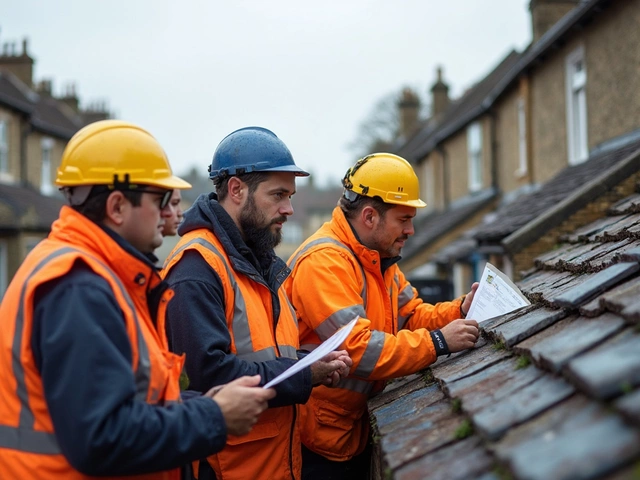
Building Regulations Explained: What You Need to Know for UK Projects
When you start any construction or renovation project in the UK, building regulations, a set of legal standards that ensure homes and buildings are safe, healthy, and energy-efficient. Also known as building codes, these rules aren’t optional—they’re enforced by local councils and apply to everything from adding a bathroom to building an entire house. Whether you’re knocking down a wall or putting on a new roof, you’re legally required to follow them. Skip this step, and you could face fines, forced removals, or even trouble selling your home later.
These regulations cover more than just safety. They include rules for thermal insulation, how well your walls and roof trap heat to cut energy bills, fire safety, how materials slow flames and how escape routes must be designed, and even drainage, how rainwater and wastewater move away from your property without causing damage. You won’t find these in a decorator’s magazine—but you’ll feel the consequences if they’re ignored. A poorly insulated loft, a missing fire door, or a bathroom without proper ventilation might look fine at first, but they’ll cost you time and money down the line.
What’s tricky is that not every job needs a full application. Some small changes, like replacing a window with the same size and type, fall under ‘permitted development.’ But if you’re extending, converting a garage, or adding a new structural wall, you’ll need formal approval. Many people assume their architect or builder handles it all—but that’s not always true. You’re still responsible. Always double-check with your local building control team before you start. A quick call can save you thousands in corrections later.
The posts below cover real-world examples of how building regulations affect everyday projects. You’ll find guides on what’s allowed in bathroom remodels, how new builds must meet energy standards, and why the order of installing walls and floors matters more than you think. Whether you’re planning a kitchen upgrade or wondering if your extension needs approval, these articles cut through the jargon and show you exactly what you need to know—no fluff, no guesswork.
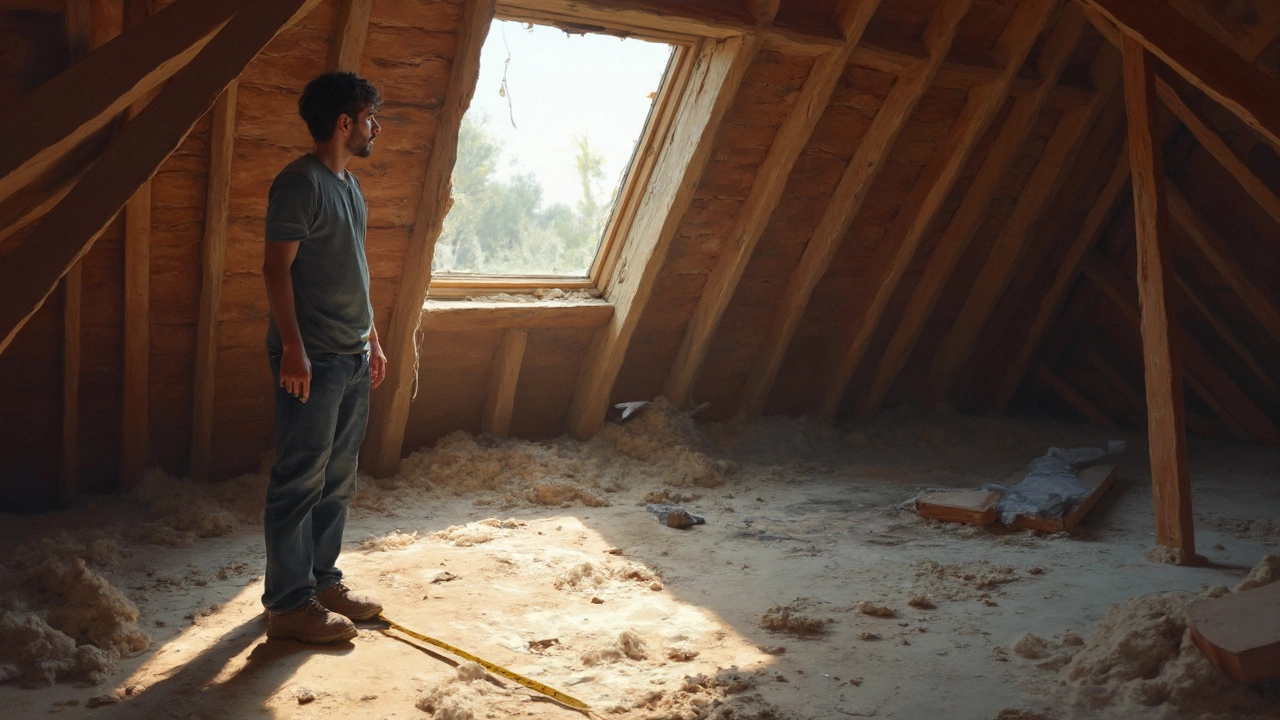
What Lofts Cannot Be Converted? A Practical Look at Loft Conversion Limits
Not every loft can become your next cool hangout or spare bedroom. Some lofts fail basic checks for space, structure, or planning rules. This article breaks down which lofts are off-limits for conversions and why. If your attic looks dreamy but comes with hidden hurdles, you'll find out here. Plus, get tips on spotting red flags and what to do if your loft doesn’t make the cut.

Demystifying 'Commercial' in Federal Terms: A Construction Guide
Understanding what 'commercial' means in federal terms can make a world of difference in construction. This article breaks down the federal definition of 'commercial,' exploring how it impacts construction projects. We delve into regulations, zoning laws, and practical tips for navigating the commercial construction landscape. Get insights on how to successfully manage a commercial project that meets federal standards.

Understanding Commercial Use in Construction Projects
In the realm of construction, identifying what falls under commercial use is essential for developers, builders, and stakeholders. This article provides a comprehensive look into the types of structures classified as commercial, the regulatory framework governing these projects, and the impact of zoning laws. It also explores sustainability considerations and the role of commercial buildings in community dynamics. With practical tips, this piece aims to guide anyone involved in planning or managing construction projects.