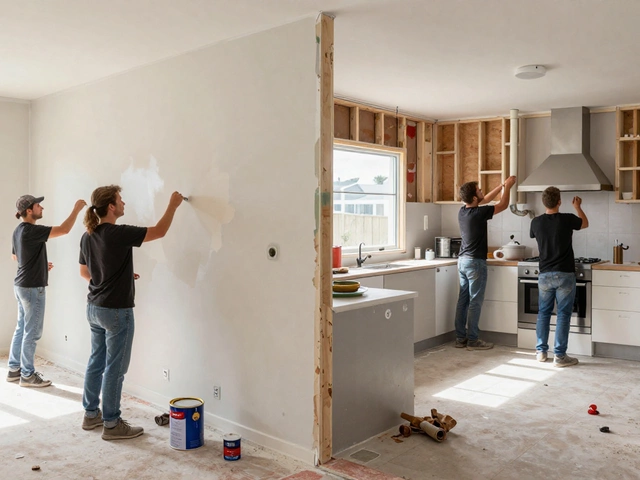
Construction Defects: What They Are, How to Spot Them, and How to Fix Them
When you build or buy a home, you expect it to last. But construction defects, flaws in materials, design, or workmanship that compromise a building’s safety or function. Also known as building defects, they show up quietly—often after the warranty expires—and can turn your dream home into a money pit. These aren’t just cosmetic issues. A cracked foundation, a leaky roof, or improperly installed plumbing can lead to mold, structural failure, or even legal headaches. And the worst part? Many homeowners don’t notice them until it’s too late.
Common structural cracks, gaps or splits in walls, floors, or foundations that indicate shifting or settling beyond normal limits are a red flag. If you see diagonal cracks wider than a quarter-inch, especially near windows or doors, it’s not just paint cracking—it’s the house moving. Then there’s water intrusion, unauthorized moisture entering a building through poor sealing, faulty flashing, or incorrect drainage, which causes rot, mold, and decay behind walls. You might not see it until the drywall bubbles, but by then, the damage is deep. And let’s not forget poor workmanship, substandard installation of materials like roofing, insulation, or electrical systems that don’t meet code or industry standards. A sloppy tile job in the bathroom? That’s not just ugly—it’s a flood waiting to happen.
These problems don’t always come from bad contractors. Sometimes, it’s rushed timelines, cheap materials, or skipping inspections. That’s why knowing what to look for matters. You don’t need to be an engineer to spot trouble. Look for uneven floors, doors that stick, damp spots near baseboards, or mildew smells in closets. If your house feels off, trust that feeling. The posts below walk you through real cases—from a 20-year-old home that started settling unexpectedly to a kitchen remodel gone wrong because walls were installed before the floor. You’ll see how small oversights become big costs, and how smart choices now can save you thousands later. This isn’t theory. It’s what happens when details get ignored.
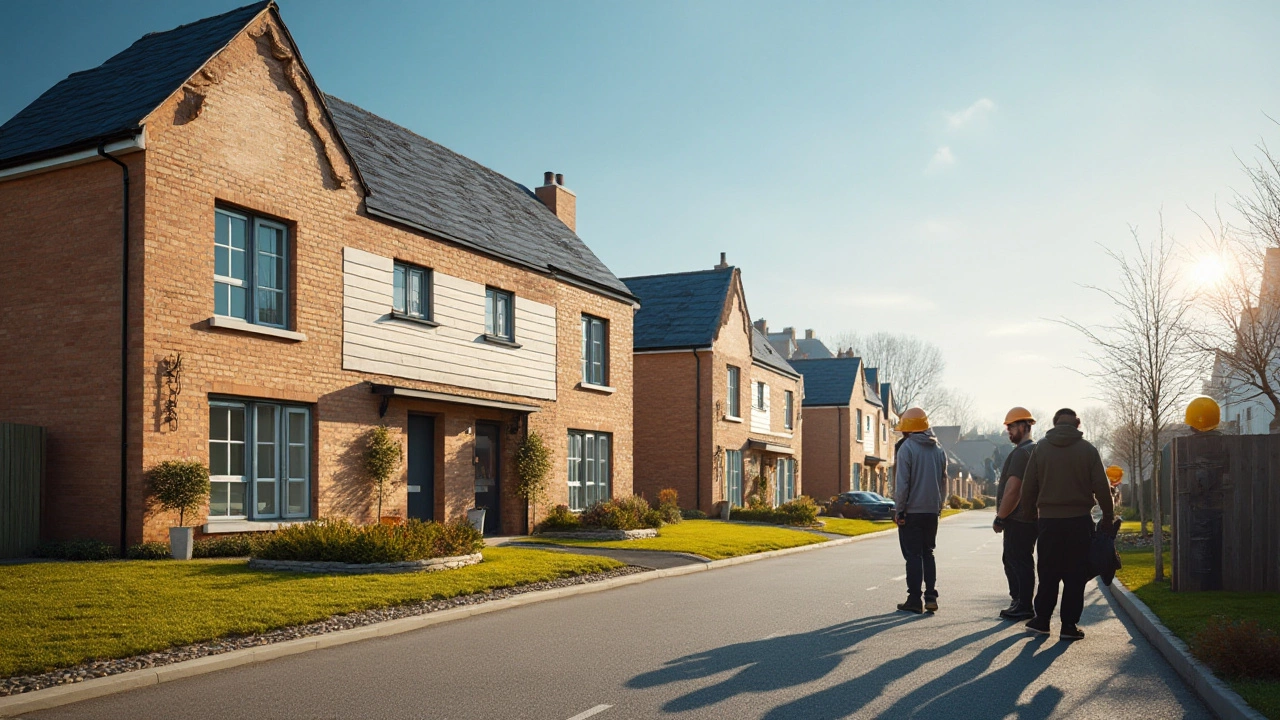
Common Defects in New Builds: What to Be Aware Of
Newly constructed homes can sometimes come with various defects that affect their quality and livability. Understanding what constitutes a defect in a new build can help homeowners effectively address any issues with construction or craftsmanship. This article explores common types of defects found in new builds and provides insight into how to identify and remedy them. It also offers tips for ensuring quality during the home building process.