Construction Permits Explained: What You Need to Know Before You Build
When you start any kind of construction permits, official approvals required by local governments before building or altering a structure. Also known as building permits, they’re not just paperwork—they’re the legal green light that keeps your project safe, legal, and insurable. Skip them, and you risk fines, forced demolition, or being unable to sell your home later. Whether you’re adding a bathroom, knocking down a wall, or building from scratch, permits aren’t optional—they’re the foundation of any responsible project.
Many people confuse construction permits with commercial licenses, but they’re totally different. A permit says you can build something specific, like a deck or a kitchen remodel. A license says the person doing the work is qualified to do it legally. You need both if you’re hiring a pro, but even if you’re doing it yourself, you still need the permit. The building codes that govern these permits vary by region, but they all exist for the same reason: safety. They ensure your electrical wiring won’t start a fire, your stairs won’t collapse, and your foundation won’t sink. In places like New Zealand or the UK, these rules are strict—especially for anything that touches plumbing, structure, or electrical systems.
What you can do without a permit? Usually, minor stuff: painting, replacing a faucet, or installing a new light fixture. But if you’re changing the layout, adding square footage, or moving load-bearing walls? That’s where permits kick in. And it’s not just about avoiding trouble—it’s about protecting your investment. A home with no permits on file might seem cheaper today, but it’ll be a nightmare to sell. Buyers’ inspectors will find it. Lenders will refuse loans. Insurance companies might deny claims if damage happens in an unpermitted area.
There’s also a big difference between residential construction and commercial work when it comes to permits. A home renovation might need one or two permits. A commercial building? Dozens. Schools, offices, retail spaces—they all fall under stricter rules because they’re used by the public. That’s why a school’s construction rules in New Zealand are so different from a house’s, even if they look similar. The scale, the occupancy, the safety requirements—they all change the game.
So what do you actually need to get a permit? Typically, detailed plans, proof of ownership, and sometimes engineer sign-offs. Local building departments will review it, then inspect at key stages—foundation, framing, electrical rough-in, final. It’s not fast, but it’s necessary. And if you’re thinking of cutting corners to save time or money? Don’t. The hidden costs of skipping permits far outweigh the upfront fee.
Below, you’ll find real-world breakdowns of what permits cover, how they differ from licenses, and what happens when you ignore them. Whether you’re planning a small bathroom update or a full home build, these posts give you the facts you need to move forward without surprises.
Understanding Commercial Use in Construction Projects
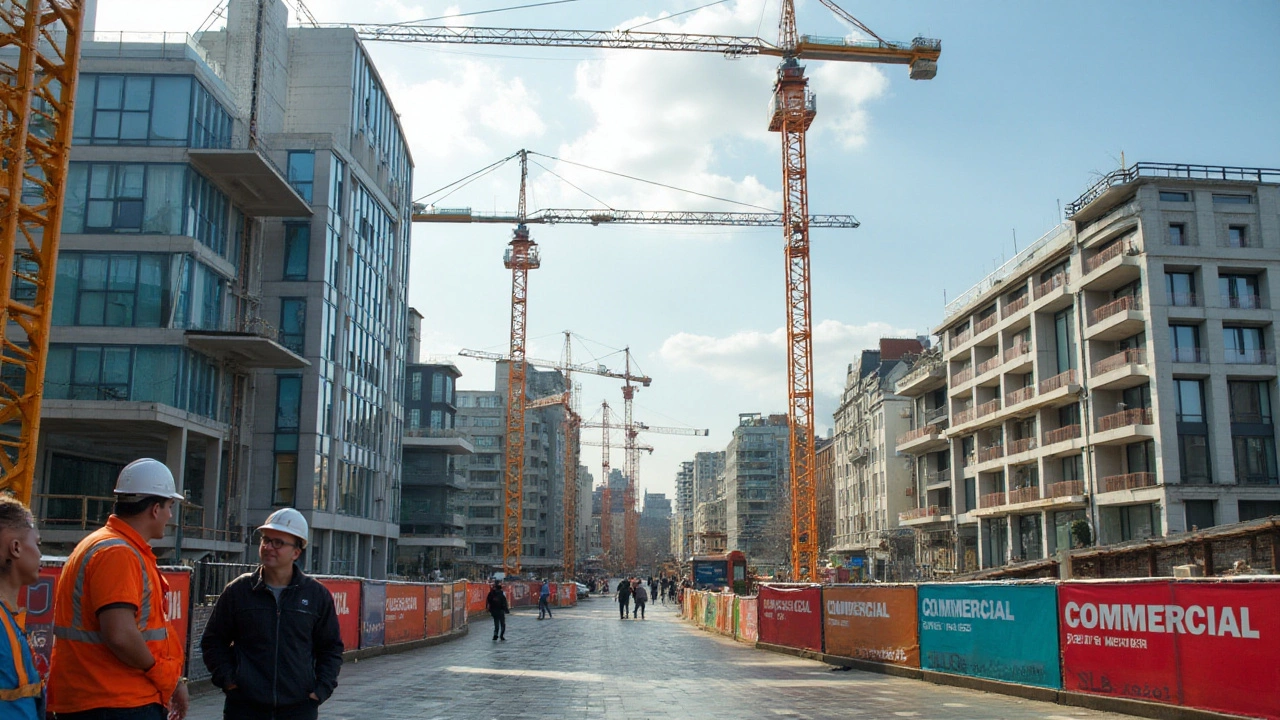
In the realm of construction, identifying what falls under commercial use is essential for developers, builders, and stakeholders. This article provides a comprehensive look into the types of structures classified as commercial, the regulatory framework governing these projects, and the impact of zoning laws. It also explores sustainability considerations and the role of commercial buildings in community dynamics. With practical tips, this piece aims to guide anyone involved in planning or managing construction projects.