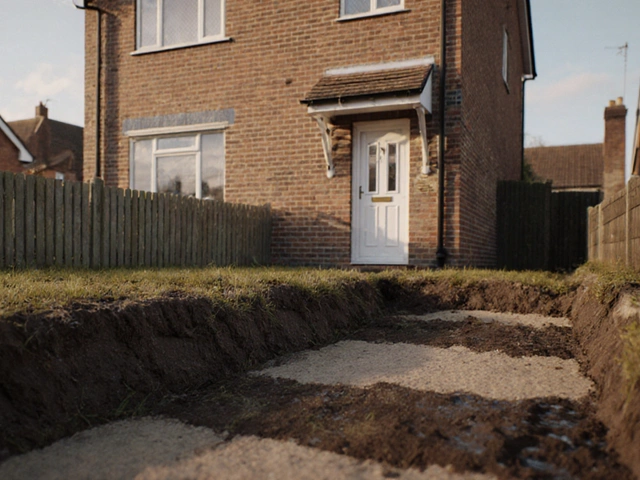
Foundation Settling: What It Is, Why It Happens, and What to Do
When your house foundation settling, the gradual downward movement of a building’s base due to soil changes or structural stress. Also known as house settlement, it’s not always a disaster—but it’s not something to ignore either. Most homes settle a little in the first few years after construction. That’s normal. The soil compacts under the weight, the concrete cures, and the structure finds its balance. But if your walls are cracking more than a hairline thin, your doors won’t close right, or your floors slope noticeably after 10, 15, or even 20 years—you’re not just seeing normal wear. You’re seeing foundation movement, an ongoing shift in the structural base that can compromise safety and value.
What causes this? It’s rarely one thing. Dry soil shrinks, clay expands when wet, tree roots pull moisture from under your slab, poor drainage floods the footing, or the original build didn’t account for the ground type. In some areas, it’s the soil itself—like expansive clay or loose fill dirt—that’s the problem, not the house. And yes, structural cracks, wider than 1/4 inch, stair-step patterns in brick, or gaps around windows and doors are red flags. They don’t always mean collapse, but they do mean something’s shifting. If you’ve lived in your home for decades and suddenly notice new gaps, it’s not "just aging." It’s foundation repair, the process of stabilizing or lifting a shifting foundation to restore levelness and prevent further damage territory.
Here’s what you need to know: settling isn’t always fixable with a quick patch. You can’t just caulk a crack and call it done. Real solutions involve underpinning, slab jacking, or installing piers—work that needs pros, permits, and proper diagnosis. And if you’re thinking of selling, unaddressed foundation issues can tank your offer or scare off buyers. The good news? Most problems are caught early enough to fix without breaking the bank. The bad news? Many people wait too long, hoping it’ll stop. It won’t. It only gets worse.
The posts below dig into real cases: why houses still settle after 20 years, how to tell if cracks are harmless or serious, what signs you’re missing, and what actual repair methods work—without the hype. You’ll find no guesswork here, just clear facts from people who’ve seen it firsthand. Whether you’re noticing a new tilt in your hallway or just want to know if your home’s foundation is safe, this collection gives you the tools to act—or at least know when to call someone.
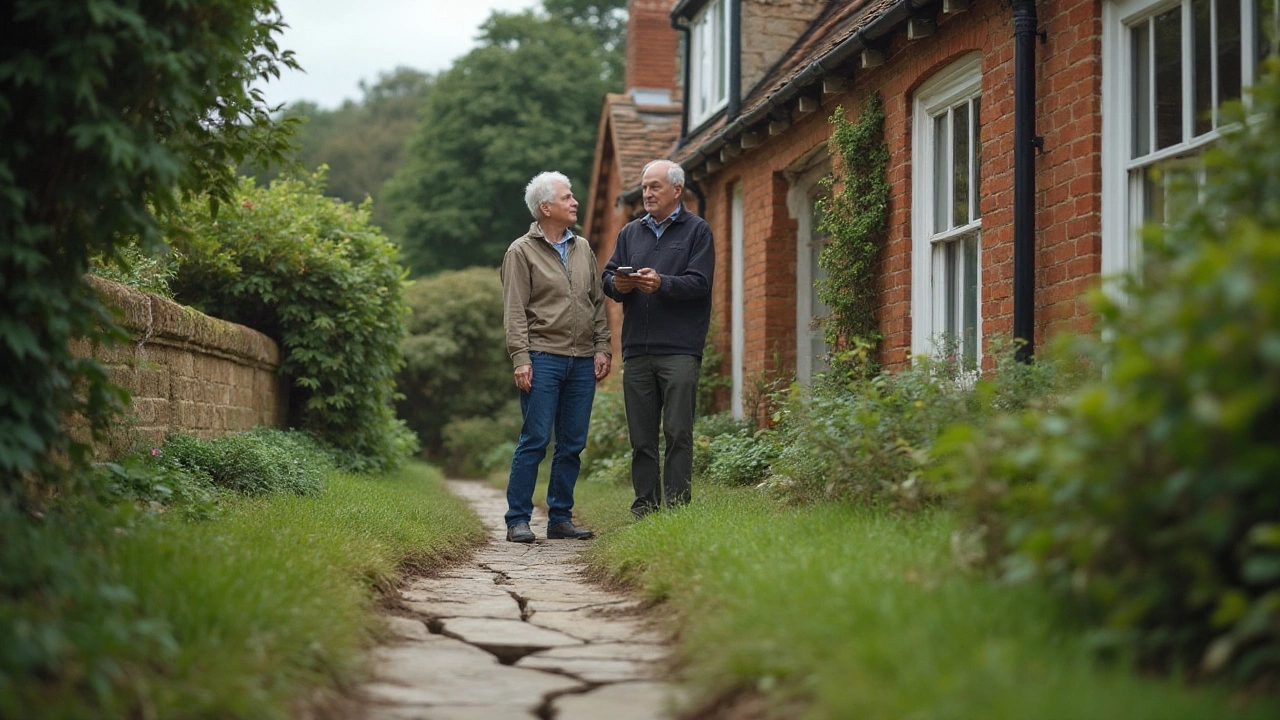
Understanding Foundation Settling: What Homeowners Need To Know
Foundation settling is a process most homes go through, raising concerns for homeowners who fear costly repairs. This article explores what foundation settling means, distinguishing between normal settling and problems that require attention. Readers will learn how to spot potential issues early and simple preventive measures to keep their foundation in good shape. Dive in to understand the natural occurrence of settling and when to raise the flag for repairs.