Home Foundation: What It Is, Why It Matters, and What Can Go Wrong
When we talk about a home foundation, the structural base that supports a house and transfers its weight to the ground. Also known as a building base, it’s the one part of your house you never want to ignore. It’s not just concrete and rebar—it’s the reason your doors don’t jam, your floors stay level, and your walls stay straight. Without a solid foundation, even the best-designed home will start to show signs of trouble over time.
A foundation movement, the gradual shifting or settling of a home’s base due to soil changes, water exposure, or poor construction doesn’t always happen right after building. In fact, many homes settle even after 20 years, as shown in real cases where cracks appeared slowly, often mistaken for normal wear. This isn’t just about aesthetics—it’s about safety. A structural crack, a type of damage that runs through load-bearing walls or the foundation itself, indicating stress or instability can grow over months or years, turning a small repair into a major rebuild. And if you’ve ever wondered why some houses in your neighborhood have uneven floors while others don’t, the answer usually lies in the soil beneath, how well the foundation was built, and whether water was kept away.
Water is the silent enemy. Poor drainage, broken gutters, or even a sprinkler aimed too close to the house can soften the soil, causing the foundation to sink unevenly. That’s why house settlement, the natural but sometimes dangerous sinking of a home’s foundation over time isn’t always unavoidable—it’s often preventable. Many homeowners don’t realize that small signs—like sticking doors, diagonal cracks near windows, or gaps between walls and ceilings—are early warnings. Ignoring them doesn’t make them go away. It just makes them more expensive to fix.
What you’ll find in these posts isn’t theory. It’s what real people have dealt with: cracked slabs, uneven floors, foundation repairs that saved thousands, and the mistakes that made things worse. You’ll see how foundation issues connect to kitchen layouts, bathroom renovations, and even how you position your fridge—because when your house moves, everything inside it moves too. Whether you’re buying a home, planning a renovation, or just noticing something off about your floors, this collection gives you the facts you need to act before it’s too late.
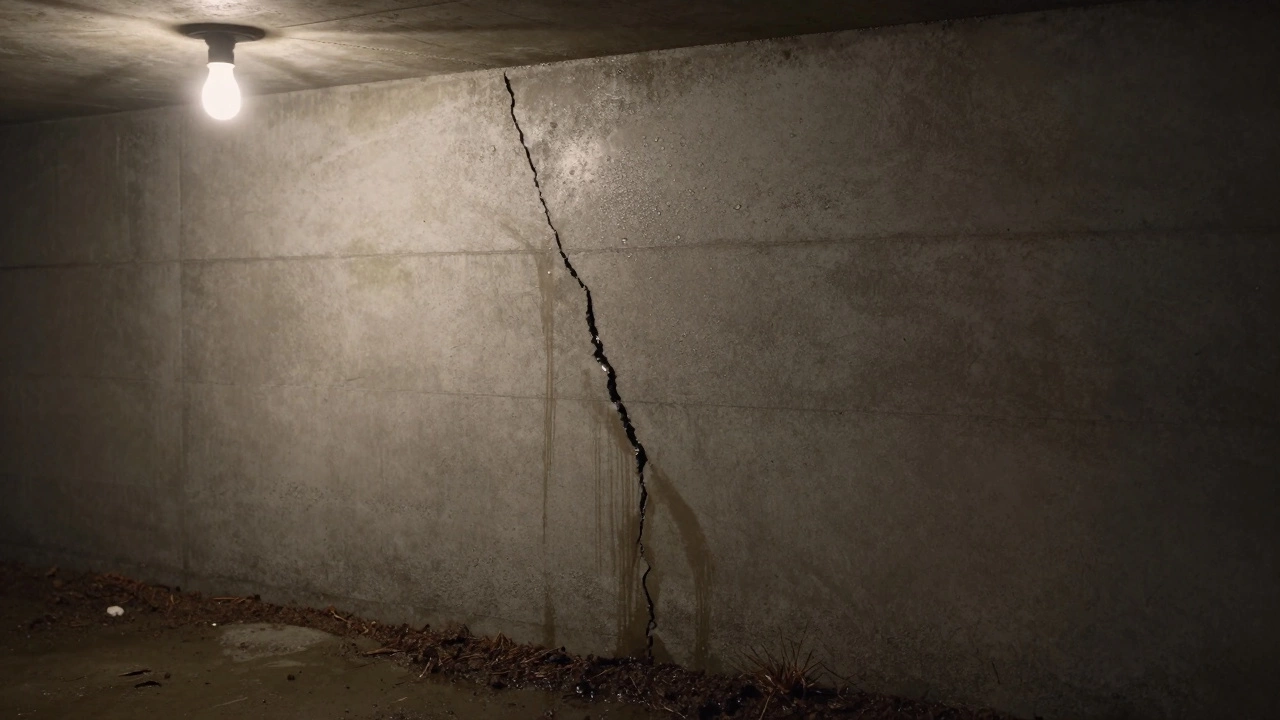
What Happens If You Don't Fix a Foundation Crack?
Ignoring a foundation crack can lead to water damage, structural shifts, mold, plumbing failure, and even partial collapse. In Auckland’s wet climate, small cracks worsen quickly-repairing early saves thousands and protects your home’s value.
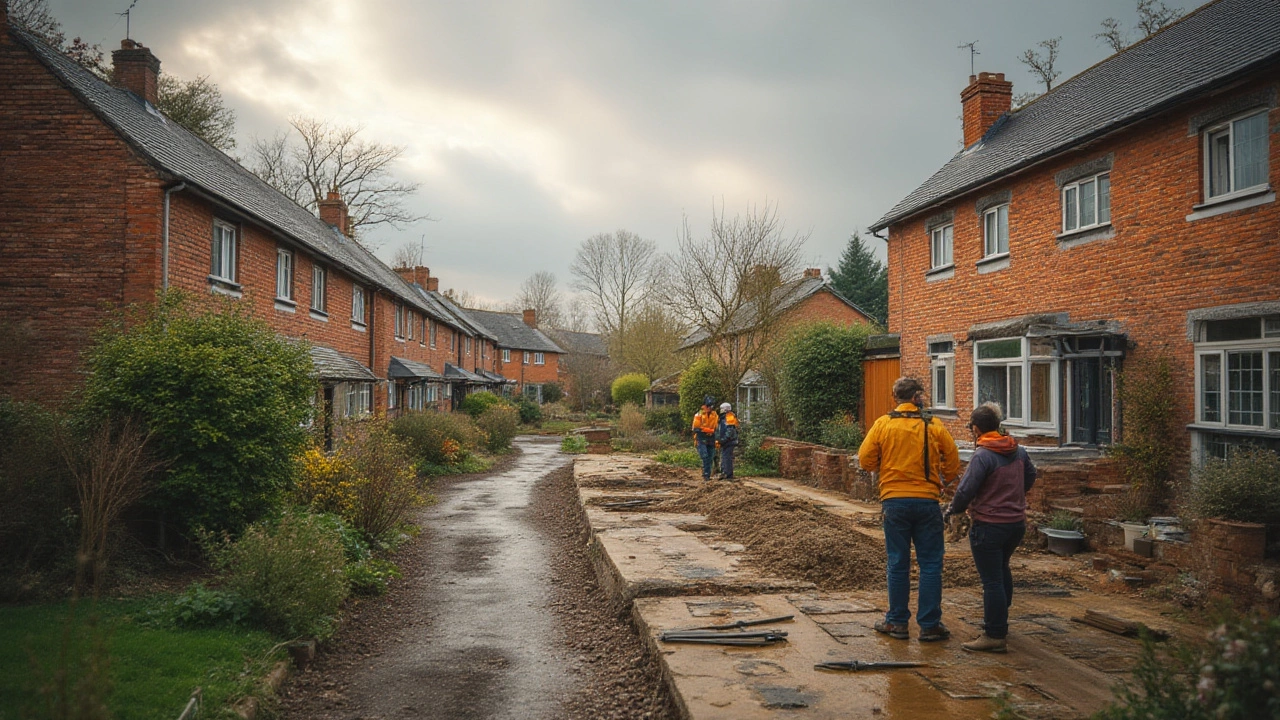
Best Time of Year for Foundation Repair: Weather, Cost & Timing Tips
Wondering when is the best time for foundation repair? Get straight talk on weather, savings, and timing for smoother, longer-lasting results.
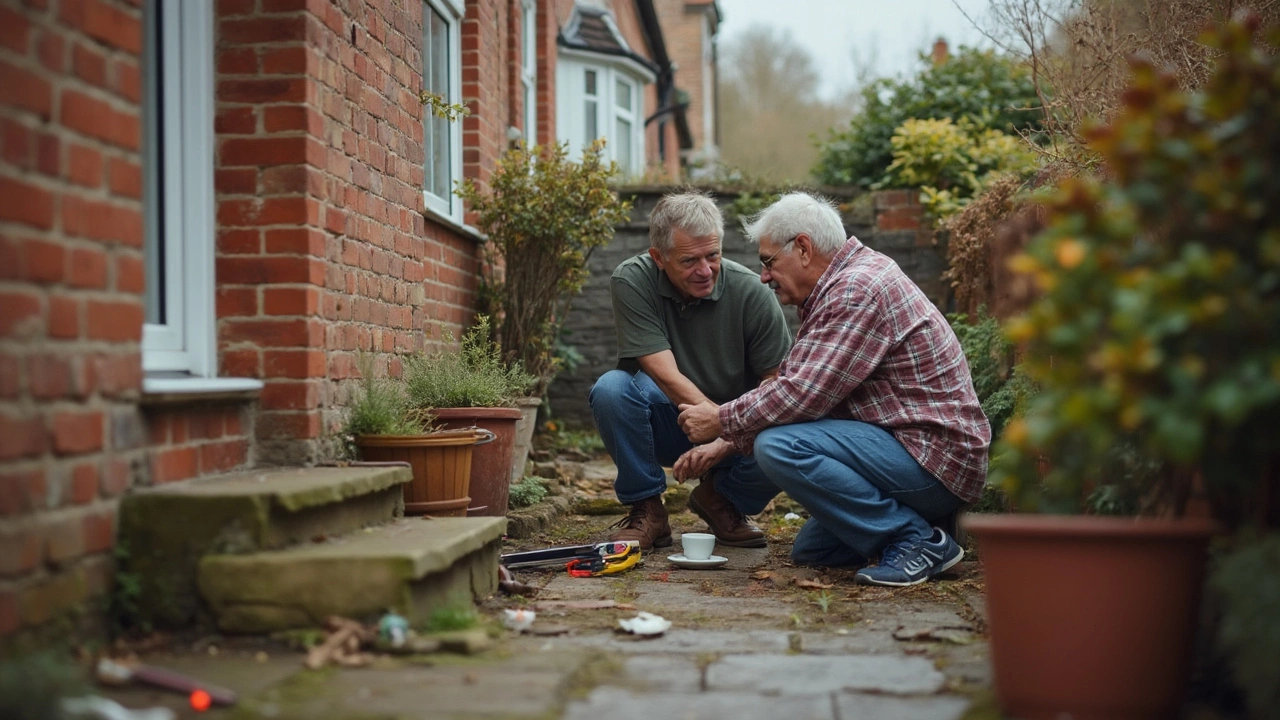
Foundation Crack Repair: Can You Really Do It Yourself?
Thinking about tackling that crack in your foundation solo? This article breaks down when a DIY fix is smart, when you should call in the experts, and what goes into a solid foundation crack repair. Get tips, real warnings, and straight answers about which cracks you can handle, which ones to skip, and what tools you’ll need if you go for it. Expect practical guidance that saves you time, money, and a headache later on.
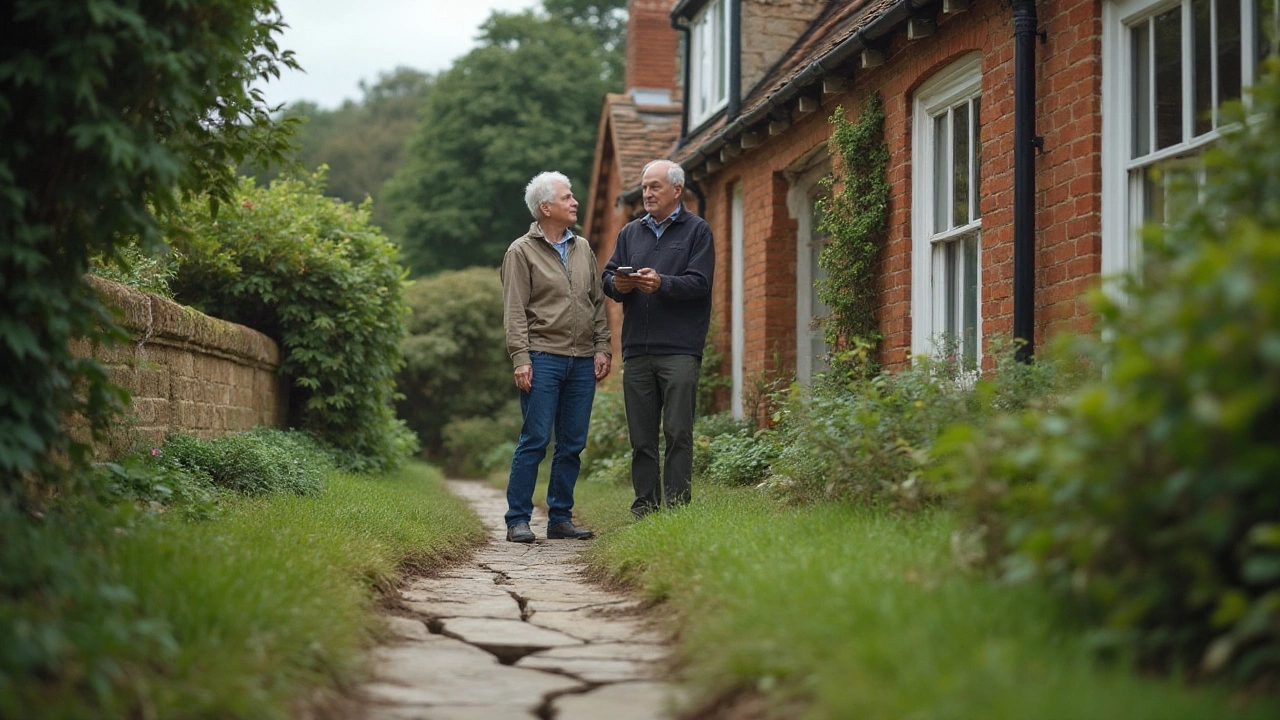
Understanding Foundation Settling: What Homeowners Need To Know
Foundation settling is a process most homes go through, raising concerns for homeowners who fear costly repairs. This article explores what foundation settling means, distinguishing between normal settling and problems that require attention. Readers will learn how to spot potential issues early and simple preventive measures to keep their foundation in good shape. Dive in to understand the natural occurrence of settling and when to raise the flag for repairs.