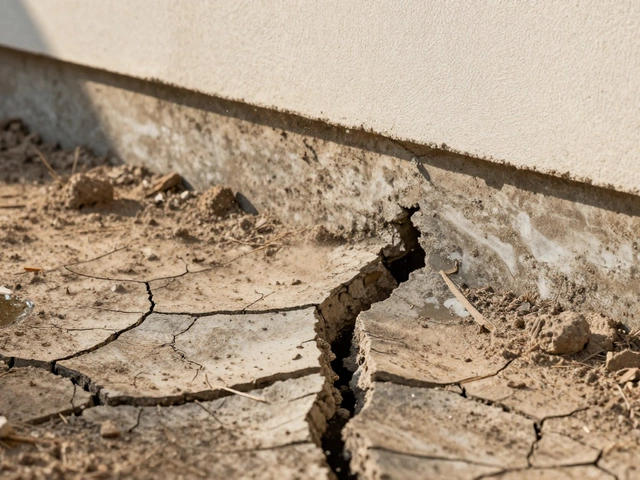
Home Inspection: What You Need to Know Before You Buy or Renovate
When you’re buying or renovating a house, a home inspection, a professional evaluation of a property’s condition before purchase or renovation. Also known as a property condition assessment, it’s not just a formality—it’s your best shield against surprise repairs and hidden costs. Most people think it’s about checking the plumbing or the roof, but a real home inspection digs deeper. It looks at how the foundation is holding up, whether the electrical system can handle modern demands, and if the insulation is doing its job. These aren’t minor details—they’re the backbone of your home’s safety and value.
A good inspection connects directly to things like foundation movement, the gradual shifting of a home’s base that can cause cracks, sticking doors, or uneven floors, which shows up in posts about houses settling after 20 years. It also ties into building codes, local rules that dictate how homes must be built for safety and efficiency, something you’ll see referenced in comparisons between residential and commercial construction. And if you’re planning a renovation, the inspection tells you where to spend money—like fixing old wiring before adding new appliances—or where you can save, like keeping original flooring if it’s still sound. A home inspection doesn’t just list problems; it gives you a roadmap to make smarter, cheaper decisions.
What you find during an inspection can change everything. A cracked foundation might mean you walk away. Outdated aluminum wiring might push you to ask for a price drop. A poorly placed fridge, as discussed in one of our guides, might seem small—but when paired with bad ventilation or faulty plumbing, it’s part of a bigger pattern. The best home inspections don’t just point out what’s broken. They explain why it matters and what it could cost you down the line. That’s why so many of our posts focus on real-world details: kitchen layouts, bathroom renovation order, and even how a house settles over decades. These aren’t random tips—they’re the kind of things inspectors notice and homeowners overlook.
Below, you’ll find real posts that cover exactly what matters during a home inspection: signs of structural trouble, common mistakes in renovations that inspectors flag, how materials age over time, and how to spot what’s worth fixing versus what’s just outdated. Whether you’re buying your first home or planning a major remodel, these guides give you the practical knowledge to ask the right questions—and avoid the expensive surprises.
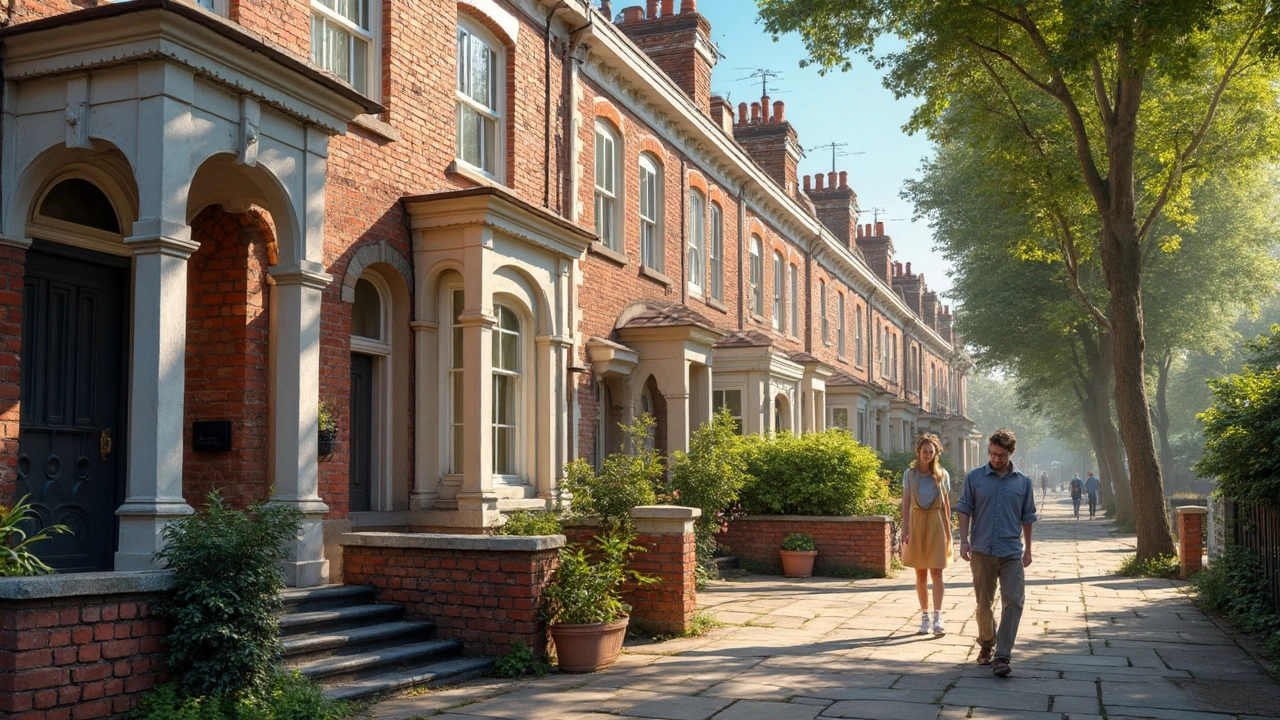
Foundation Issues in Older Homes: What Homeowners Need to Know
Curious if most older homes have foundation problems? Find expert tips, warning signs, and facts so you won't be caught off guard on your next house tour.
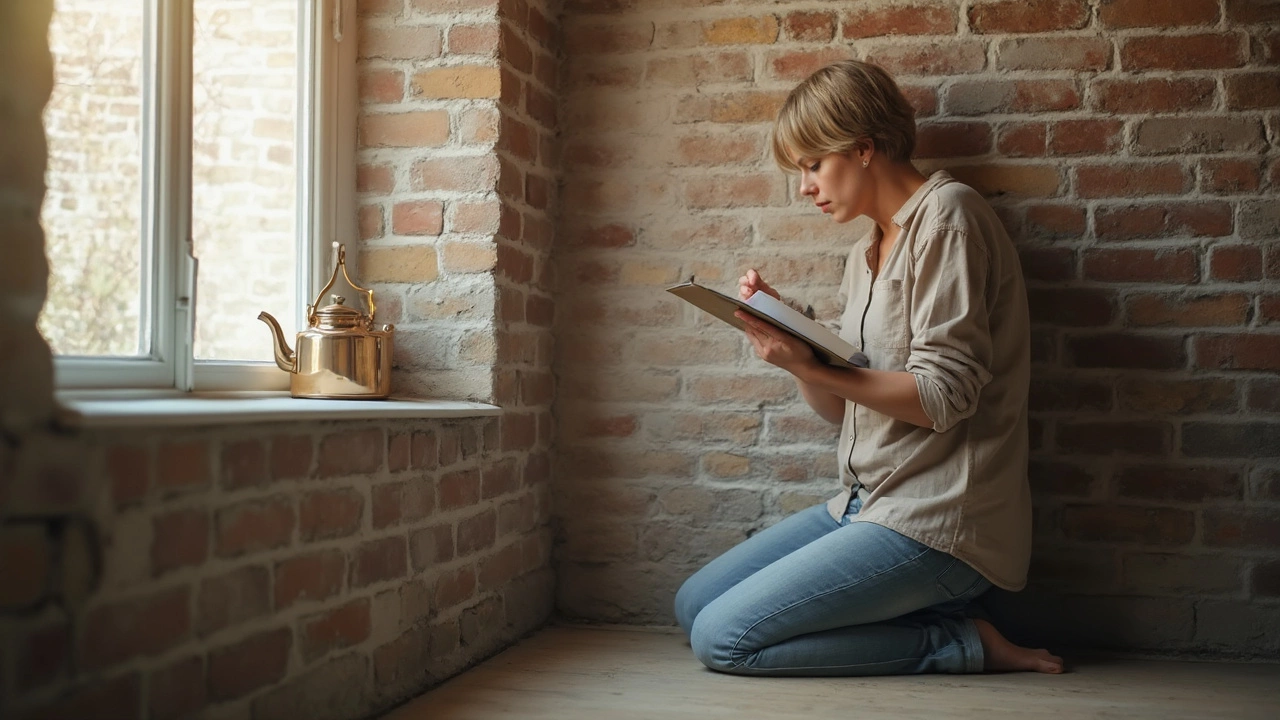
Foundation Crack Size: What’s Actually Safe?
Not every crack in your foundation spells disaster. This article explains how big a foundation crack can get before you really need to worry, what types of cracks to watch out for, and the quick tricks you can use to tell harmless from harmful ones. Get smart tips for tracking crack growth and see when it’s time to get a pro involved. Save yourself the stress (and the bill) by knowing what’s normal. It’s everything homeowners wish they knew about foundation cracks.

Common Defects in New Builds: What to Be Aware Of
Newly constructed homes can sometimes come with various defects that affect their quality and livability. Understanding what constitutes a defect in a new build can help homeowners effectively address any issues with construction or craftsmanship. This article explores common types of defects found in new builds and provides insight into how to identify and remedy them. It also offers tips for ensuring quality during the home building process.