Home Safety: Essential Tips for a Secure and Smart Living Space
When we talk about home safety, the practices and design choices that protect a household from accidents, hazards, and structural risks. Also known as residential safety, it's not just about installing smoke detectors—it’s about how your house was built, how it’s used daily, and what you might be overlooking. A cracked foundation, a poorly placed fridge, or outdated wiring can be silent dangers. Many people think home safety means buying a security system, but the real risks are often hidden in plain sight.
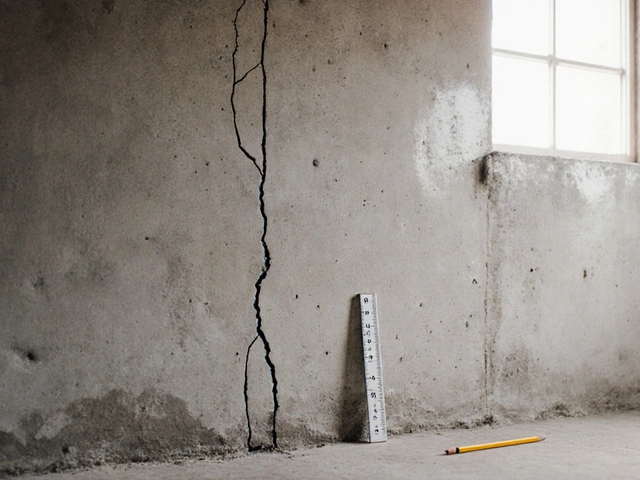
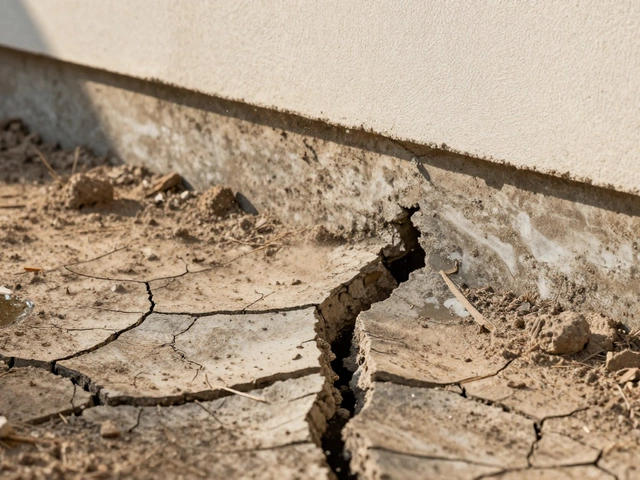
Take residential construction, the process of building homes designed for families, not businesses. It follows different rules than commercial builds, with priorities like comfort and long-term stability over high traffic or heavy machinery use. If your house is over 20 years old, it might still be settling—something you can spot with new cracks near doors or uneven floors. Then there’s kitchen layout, how appliances and work zones are arranged to reduce strain and prevent accidents. A fridge stuck in a corner or a stove too close to a sink isn’t just inconvenient—it’s a fire and slip hazard. Even something as simple as lighting matters: old incandescent bulbs waste energy and get hot enough to start fires if they touch curtains or insulation. Switching to LEDs isn’t just about saving money—it’s a safety upgrade.
Building codes exist for a reason. They’re not red tape—they’re the minimum standard to keep you alive. From electrical wiring in bathrooms to the order you install walls and floors during a remodel, skipping steps can lead to water damage, mold, or structural failure. And it’s not just about big projects. Small things add up: loose rugs, unsecured shelves, missing handrails on stairs—these are the quiet killers. Real home safety means thinking ahead, not just reacting after something goes wrong.
Below, you’ll find real, practical advice from people who’ve seen what happens when safety gets ignored. Whether it’s why your fridge placement could be risking your energy bill and your safety, how foundation movement shows up after decades, or why building codes differ between a home and a school—each post cuts through the noise. No fluff. Just what works.
Deciding When to Address Foundation Issues: A Comprehensive Guide
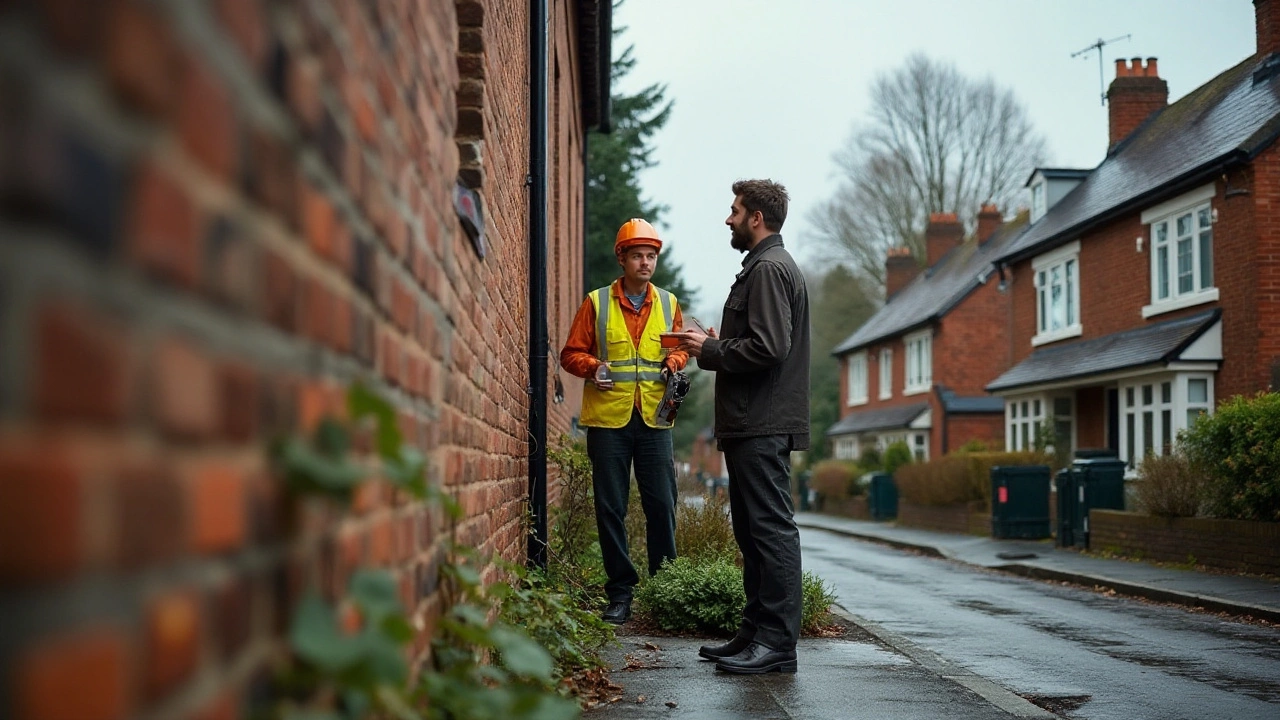
Foundation issues can be daunting for homeowners, presenting a mix of potential hazards and repair costs. This article explores key signs of serious foundation problems, factors impacting repair decisions, and when it might be time to walk away. Balancing practical safety considerations with financial implications, it provides tips for homeowners to make informed choices about their property. Learn to spot the warning signs early and understand when it's better to repair or leave a compromised foundation.