House Lighting Tips: Smart Ways to Light Your Home Efficiently
When it comes to house lighting, the system of fixtures, bulbs, and placement that illuminates a home for safety, function, and mood. Also known as residential lighting, it’s not just about turning on a switch—it’s about how light shapes how you live in your space. Most people don’t realize that poor lighting can make a room feel smaller, tire your eyes faster, and even raise your energy bill. The good news? Small changes make a big difference. Switching from old incandescent bulbs to LED bulbs, energy-efficient light sources that use up to 90% less power and last decades longer than traditional bulbs alone can slash your lighting costs. And it’s not just about the bulb—it’s about where you put it, how bright it is, and what kind of light it gives off.
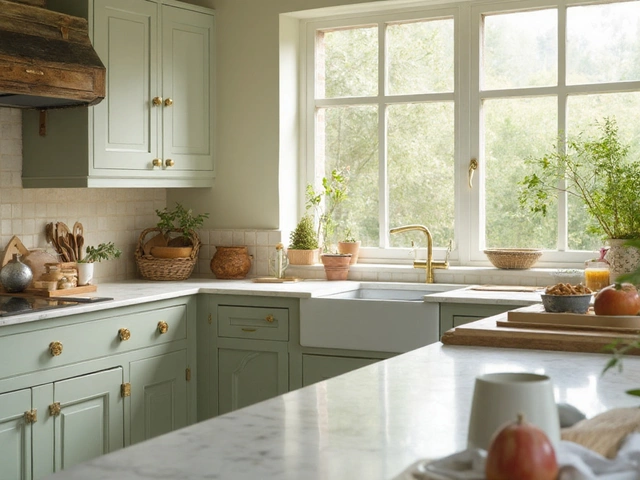
Think about your kitchen. If your overhead light casts harsh shadows over the counter, you’re not just struggling to chop vegetables—you’re wasting energy because you’re probably adding extra lamps to compensate. That’s why lighting efficiency, how well a lighting setup delivers usable light while using minimal power matters. It’s not about buying the brightest bulb. It’s about layering light: ambient for general glow, task lighting for work areas like sinks and stoves, and accent lighting to highlight shelves or artwork. Many homes still rely on a single ceiling fixture, which is like trying to read a book with one dim flashlight. Real pros use multiple sources, dimmers, and warm tones to make spaces feel inviting without overloading the grid.
And don’t ignore the timing. Smart lighting that turns off when no one’s home or adjusts with daylight saves more than money—it reduces waste. You don’t need fancy tech to start. Just swap out one bulb at a time, test different color temperatures (warm white for living rooms, cooler white for kitchens), and keep fixtures clean. Dust cuts light output by up to 30%. That’s like leaving half your lights off every day. The posts below cover exactly this: why incandescent bulbs are a relic, how to place lights in tight spaces, what color temperature works where, and how to avoid the $500 mistake of buying the wrong fixtures. You’ll find real examples, no fluff, just what works in actual homes. Whether you’re remodeling a kitchen, fixing a dark hallway, or just tired of high bills, the answers are here—no electrician needed to start.
Best Lighting for a House: How to Get It Right Every Time
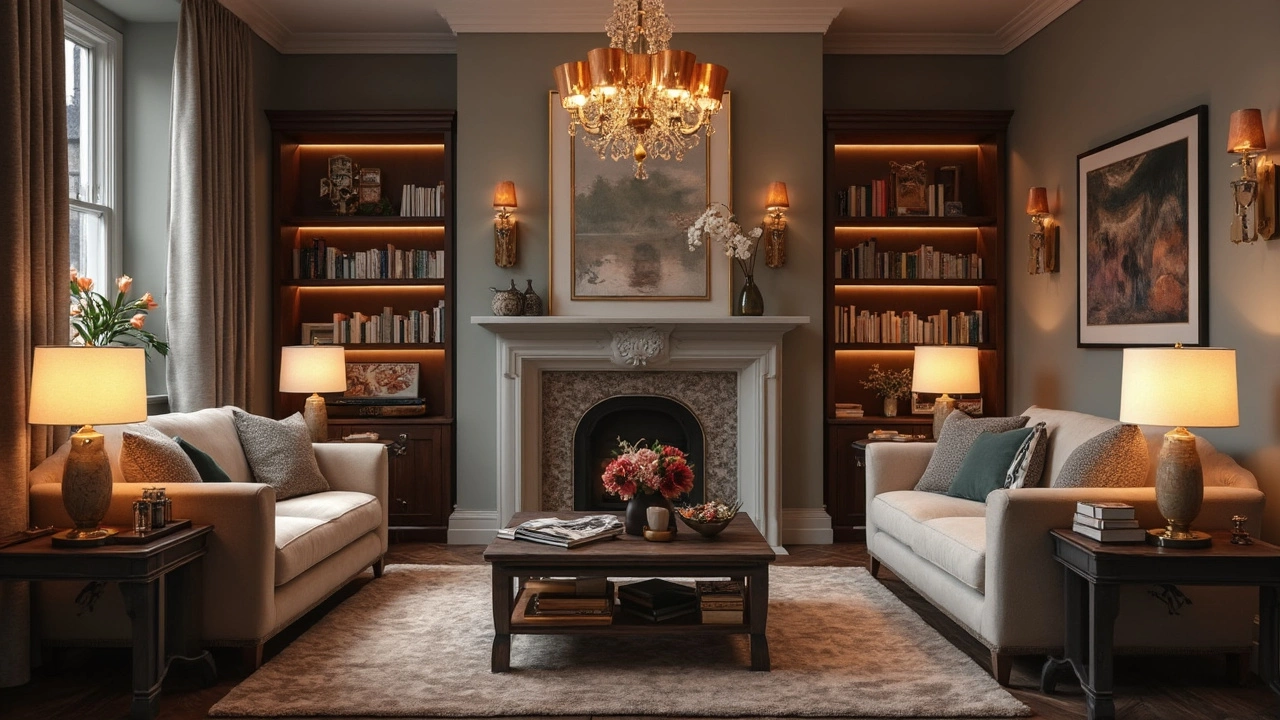
Picking the right lighting for your house isn’t as easy as screwing in a bulb. This article breaks down what actually works in real homes—whether you’re after cozy, super-bright, or something in between. You’ll find out why layering your lights matters, the biggest mistakes people make, and how LEDs have totally changed the game. Get tips to make bedrooms relaxing, kitchens practical, and living rooms look like they came out of a decor magazine.