Kitchen Workflow: Design Tips and Practical Layouts for Smarter Cooking
When we talk about kitchen workflow, the physical path you follow while preparing food, from storage to prep to cooking to cleanup. Also known as kitchen triangle, it’s not just about where the fridge, sink, and stove go—it’s about how smoothly you move between them every single day. A bad kitchen workflow turns dinner into a chore. A good one lets you cook without thinking, like muscle memory for your home.
Most people focus on looks—countertops, backsplashes, fancy appliances—but the real magic happens in the kitchen layout, how spaces are arranged to support movement and tasks. Think of it like a highway system. If your fridge is far from the prep area, you’re walking back and forth like a delivery driver. If the trash can is behind the sink, you’re reaching over hot pans. These aren’t small details—they’re daily friction points that add up to hours lost each year.
The best kitchen workflows are built around three zones: storage, prep, and cooking. Your dry goods and pantry belong near where you pull out ingredients. Your sink and cutting board should sit together so you can rinse and chop without stepping away. And your stove and oven need to be close to where you plate up. The sink doesn’t just clean dishes—it’s your cleanup hub. The fridge isn’t just for cold stuff—it’s your starting line. Get these zones right, and you cut down on steps, strain, and frustration.
What’s surprising is how often people ignore this. They buy a huge island because it looks cool, then realize they can’t open the fridge door without bumping into it. Or they put the dishwasher on the far side of the room, forcing them to carry wet dishes across the kitchen. These aren’t design flaws—they’re workflow failures. And they’re easy to fix before you break ground.
And it’s not just about the big three. Your knife block, spice rack, and measuring cups? They need to live where you use them. If you bake often, your flour, sugar, and mixing bowls should be near your mixer—not tucked away in a cabinet three steps away. If you grill a lot, keep your tools and marinades near the outdoor station. A great kitchen doesn’t just look good—it anticipates what you’ll need next.
There’s no one-size-fits-all layout. L-shaped, U-shaped, galley—each works if the workflow fits your habits. If you cook alone, you need clear space to move. If you cook with family, you need room for more than one person without stepping on toes. The goal isn’t perfection—it’s rhythm. You should be able to grab a pan, chop onions, and stir a pot without breaking stride.
What follows are real examples from actual kitchen remodels—some that saved people hours a week, others that turned into costly regrets. You’ll see how a $500 repositioning of the sink made a huge difference, how a poorly placed trash bin ruined an otherwise perfect layout, and why the most expensive appliances don’t matter if your workflow is broken.
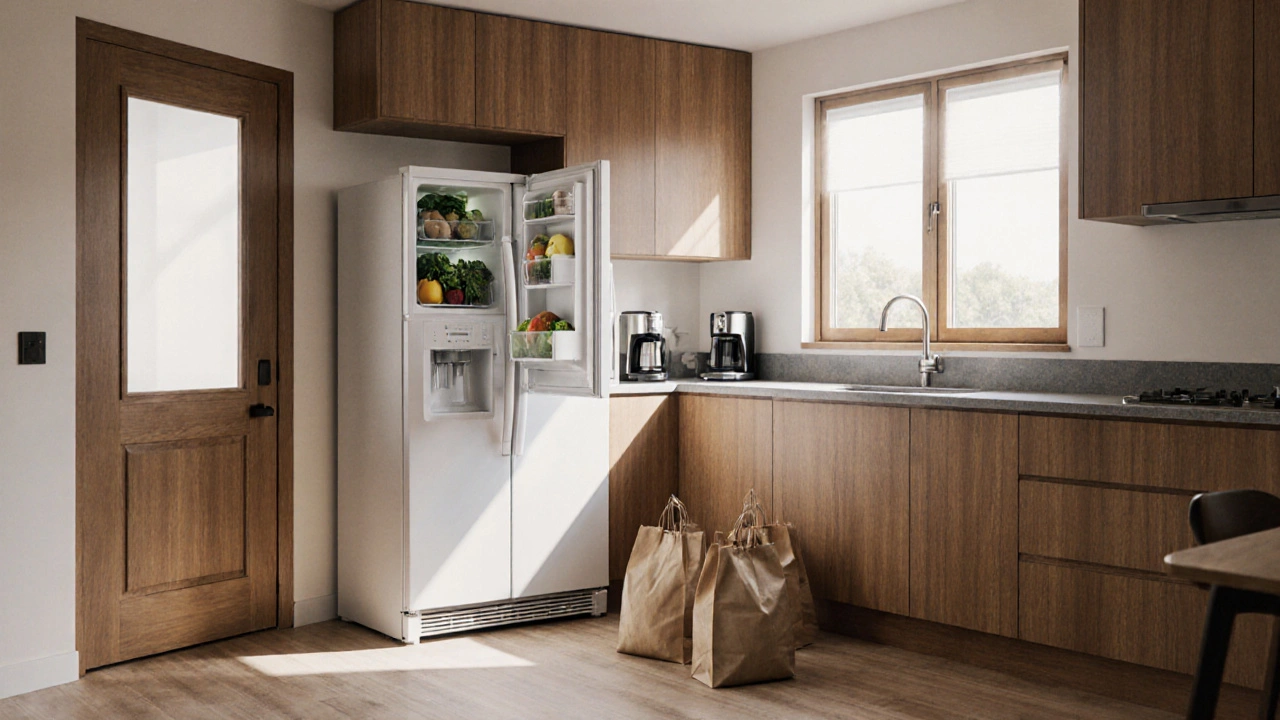
Where Should the Fridge Be in the Kitchen? Practical Placement Tips for Better Flow
The right fridge placement makes cooking easier, saves energy, and reduces clutter. Learn practical tips for positioning your fridge based on workflow, space, and real-life use-not just design trends.