Modern vs Contemporary: What’s the Real Difference in Home Design?
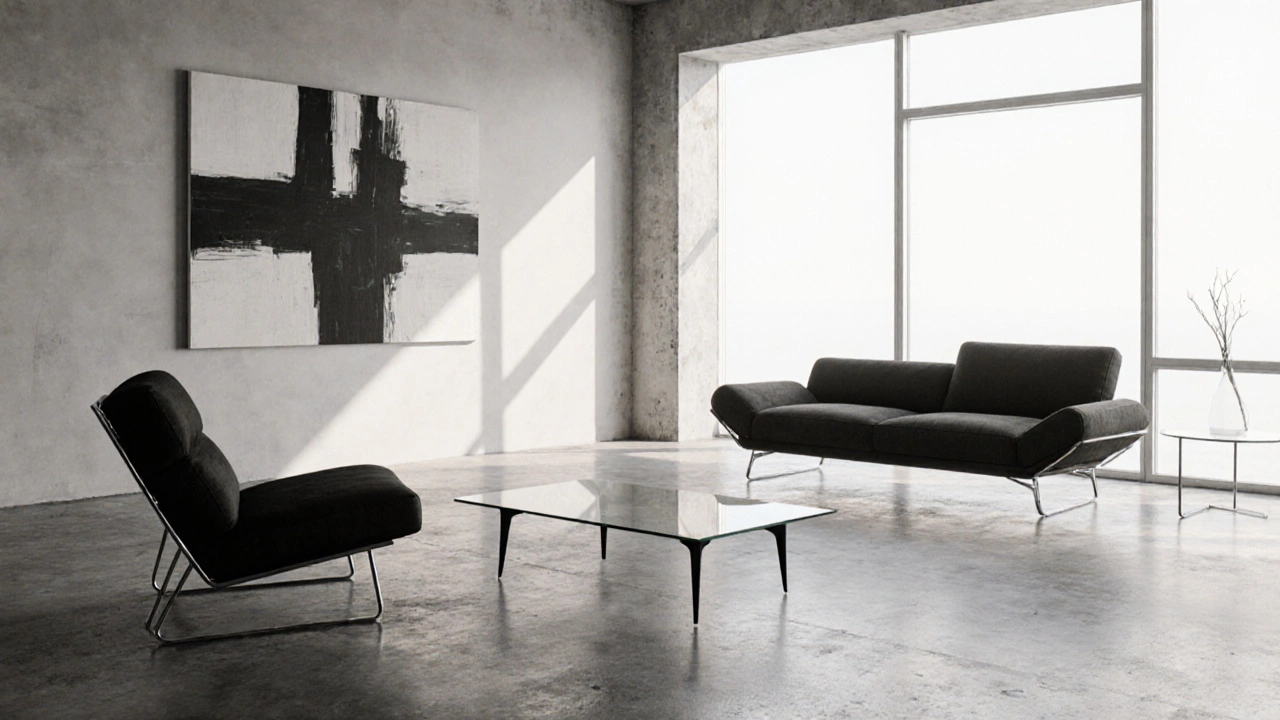
When people talk about modern design, a style rooted in the early to mid-20th century that emphasizes clean lines, minimal ornamentation, and functional materials like steel and glass. Also known as Mid-Century Modern, it’s a fixed style with clear historical roots. they’re usually thinking of sharp angles, neutral palettes, and open spaces—but that’s not the whole story. contemporary design, a fluid, ever-evolving style that reflects current trends and materials, often blending elements from modern, industrial, and even traditional influences. It doesn’t have a single origin point—it’s what’s popular right now. The confusion between the two is everywhere, even in design magazines. But if you’re planning a renovation, knowing the difference matters. Modern is about staying true to a specific era. Contemporary is about staying current.
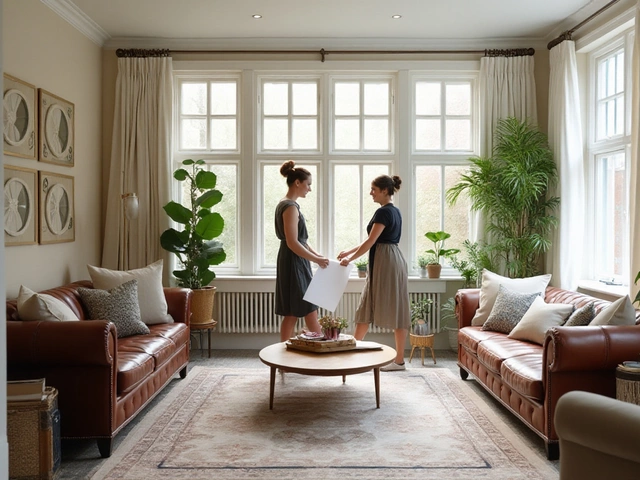
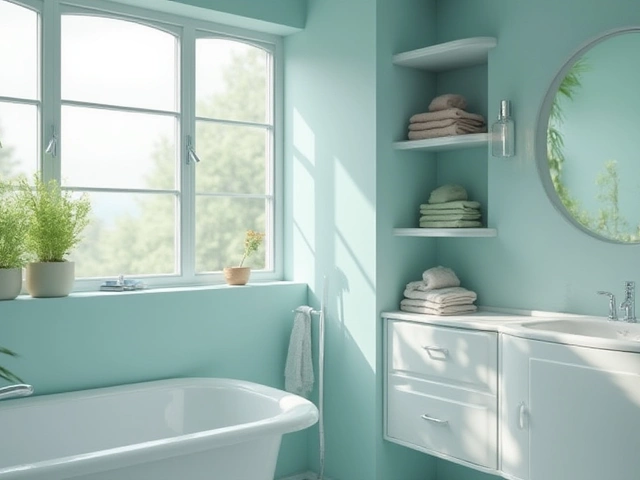
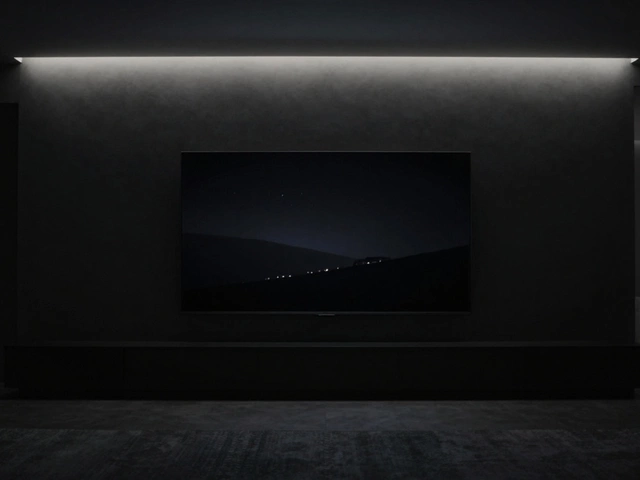
Think of it this way: modern design is like a classic black tuxedo—it never goes out of style because it follows a strict set of rules. Contemporary design is like what you wear to a party this weekend—it changes with the season. You’ll see modern design in homes with flat roofs, large windows, and zero decorative trim. You’ll find contemporary design in spaces that mix matte black fixtures with warm wood, or bold accent walls beside neutral sofas. The modern vs contemporary split isn’t just about looks—it’s about intent. Modern prioritizes structure and order. Contemporary prioritizes feel and flexibility. That’s why you’ll find modern styles in posts about kitchen layout and fridge placement—they’re about efficiency. Contemporary shows up in posts about interior door color trends and living room decor—because it’s responsive to what’s trending.
And here’s the thing: most homes today aren’t purely one or the other. A lot of people blend elements. A modern kitchen with contemporary lighting. A contemporary living room with modern cabinetry. That’s not a mistake—it’s smart design. The key is knowing what you’re borrowing from each. If you want timeless structure, lean modern. If you want to refresh your space every few years without a full overhaul, contemporary gives you room to move. The posts below cover real examples—from how to pick the right door color for a modern home to how to avoid layout mistakes in a contemporary renovation. You’ll see how material choices, spatial flow, and even lighting tie into these styles. No fluff. Just what works.
What Is the Difference Between Modern and Contemporary Interior Design?
Modern interior design is a 1920s-1950s movement focused on clean lines and function. Contemporary design reflects today’s trends with warmth, texture, and evolving styles. Learn how to tell them apart and choose what fits your life.