Quartz: What It Is, Why It's Popular in Kitchens and Bathrooms, and How It Compares
When you hear quartz, a hard, engineered stone made from crushed natural quartz and resin, often used for countertops and surfaces. Also known as engineered stone, it's become the go-to material for kitchens and bathrooms because it doesn't stain, scratch easily, or need sealing like natural stone. Unlike granite or marble, which come straight from the earth and vary in color and pattern, quartz is made in a factory. That means you get consistent looks, predictable performance, and way fewer surprises when it’s installed.
What makes quartz stand out isn’t just how it looks—it’s how it holds up. If you’ve ever wiped up red wine on a marble countertop and watched it sink in, you know why quartz wins. It’s non-porous, so liquids sit on top, not inside. That’s why it’s a favorite for busy kitchens and damp bathrooms. You don’t need special cleaners, and you won’t find mold growing in the seams like you sometimes do with tile. It’s also harder than many natural stones, so knives won’t leave marks, and hot pans won’t burn it (though you should still use trivets—just to be safe).
Quartz isn’t the only option, though. granite, a natural stone formed deep underground, known for its unique patterns and heat resistance has been around longer and still has fans who love its one-of-a-kind look. But granite needs yearly sealing, and each slab is different—so if you’re trying to match a backsplash or cabinet sample, it’s a gamble. laminate, a low-cost surface made of paper and resin pressed over particleboard, often used in budget renovations looks good from a distance but can’t handle heavy use. And solid surface, a seamless material made from acrylic or polyester resins, often used for sinks and counters can be repaired if scratched, but it’s softer than quartz and shows heat marks more easily.
People choose quartz for the long game. It’s not the cheapest upfront, but over 10, 15, 20 years, you save money on repairs, replacements, and cleaning products. It’s also one of the few materials that works equally well in modern, farmhouse, and even traditional kitchens. You can get it in solid whites, veined marbles, or even bold colors like charcoal or deep green. There’s a shade for every style.
And while quartz is mostly used for countertops, it’s popping up in other places too—bathroom vanities, backsplashes, even fireplace surrounds. It’s durable enough for high-traffic spots and easy enough to clean for spaces that get messy. If you’ve seen a kitchen remodel recently, chances are quartz was part of it.
Below, you’ll find real breakdowns, comparisons, and tips from people who’ve lived with quartz for years. Some saved money by choosing the right grade. Others avoided mistakes by understanding how thickness and edge profiles affect the look and cost. You’ll see what works, what doesn’t, and what no one tells you until after the install.
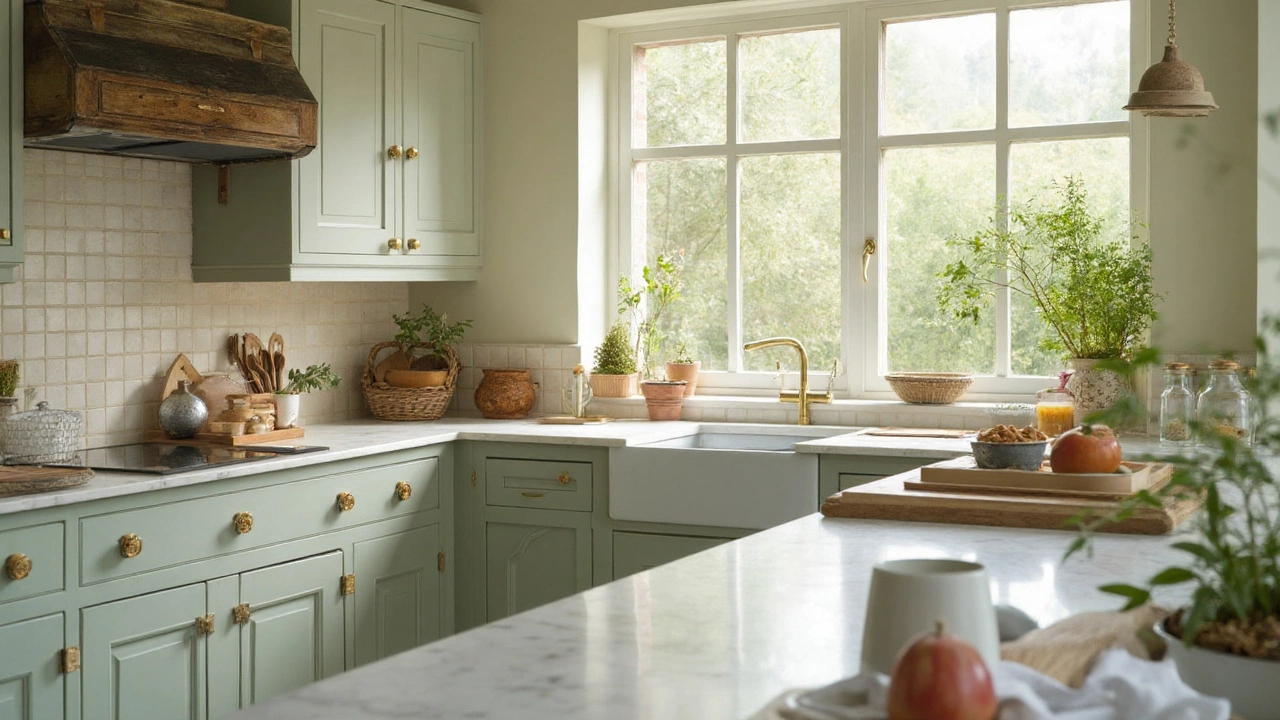
Joanna Gaines Countertop Choices: The Materials She Loves Most for Kitchens
Discover the countertops Joanna Gaines uses in her kitchen designs, including her top materials, finishes, and practical tips for choosing the right one.