Structural Cracks: What They Mean and When to Worry
When you see a crack in your wall or foundation, it’s natural to panic. But not every crack is a sign of disaster. Structural cracks, cracks that affect the load-bearing parts of a building, like foundations, beams, or load-bearing walls. Also known as critical cracks, they’re not surface-level issues—they’re warnings that the building’s integrity is under stress. These aren’t the thin, hairline lines you get from seasonal drying. These are wider, uneven, and often grow over time. They’re the kind that start at the corner of a window and snake down the wall, or appear as jagged lines across a basement floor.
What causes them? Foundation movement, the shifting or settling of a home’s base due to soil conditions, water damage, or poor construction. Also known as settlement cracks, it’s one of the top reasons homes develop structural issues. In the UK, where clay soils expand and contract with rain and drought, this happens more often than you’d think. Then there’s water damage, moisture that weakens wood, rusts steel, or erodes concrete over time. Also known as moisture intrusion, it’s often hidden behind walls until it’s too late. And don’t forget poor design or substandard materials—some homes were built with corners cut, and those mistakes show up years later.
How do you tell the difference between a cosmetic crack and a structural one? Look for width—anything over 3mm is a red flag. Check if the crack is wider at the top or bottom, or if it’s diagonal across a wall. Are doors sticking? Are windows hard to open? Is the floor sloping? These aren’t just annoyances—they’re symptoms. Structural cracks don’t fix themselves. If left alone, they can lead to wall collapse, uneven floors, or even partial building failure.
That’s why this collection of posts matters. You won’t find fluff here. Just real talk about what to watch for, how to spot early signs before they turn into emergencies, and what professionals actually look for during a home inspection. Whether you’re a homeowner in London worrying about a crack near your fireplace, or someone planning a renovation and want to avoid hidden risks, these guides give you the facts without the jargon. No hype. No scare tactics. Just what you need to know to protect your home—and your peace of mind.
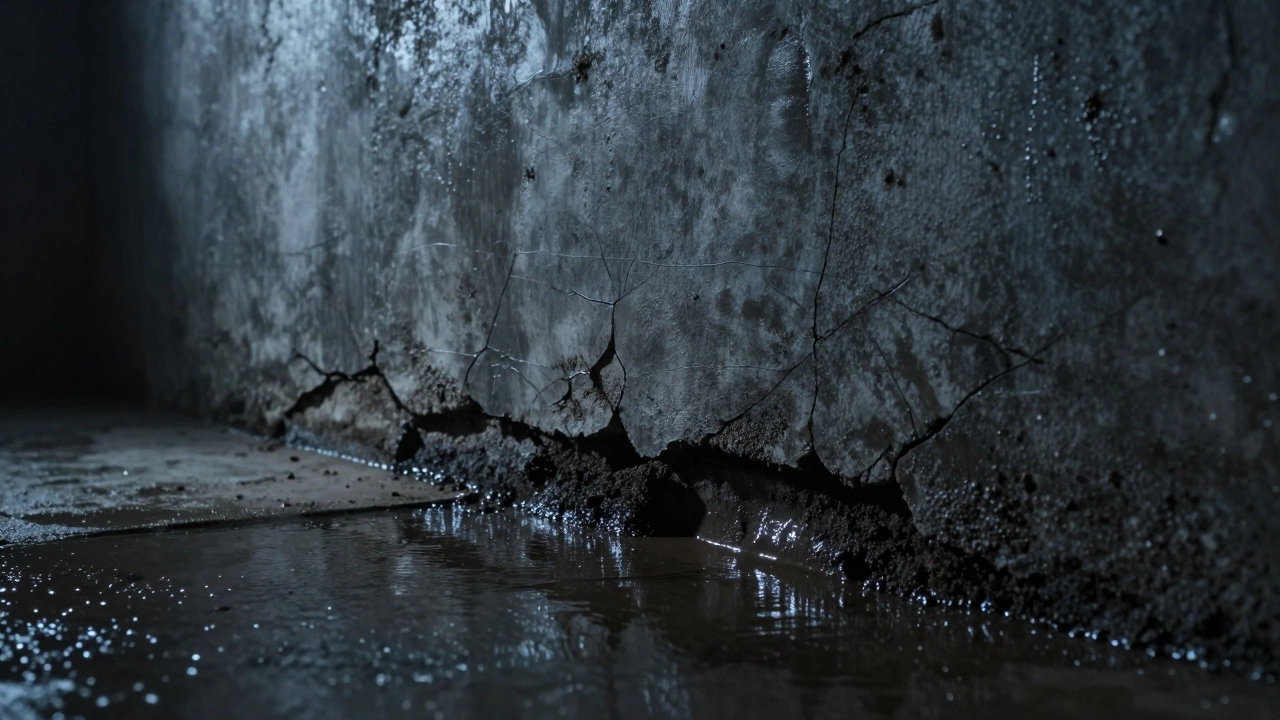
How Serious Are Horizontal Foundation Cracks? A Real-World Guide for Homeowners
Horizontal foundation cracks are a serious structural issue caused by soil pressure, not normal settling. Learn what they mean, how to spot danger signs, and real repair options that actually work.
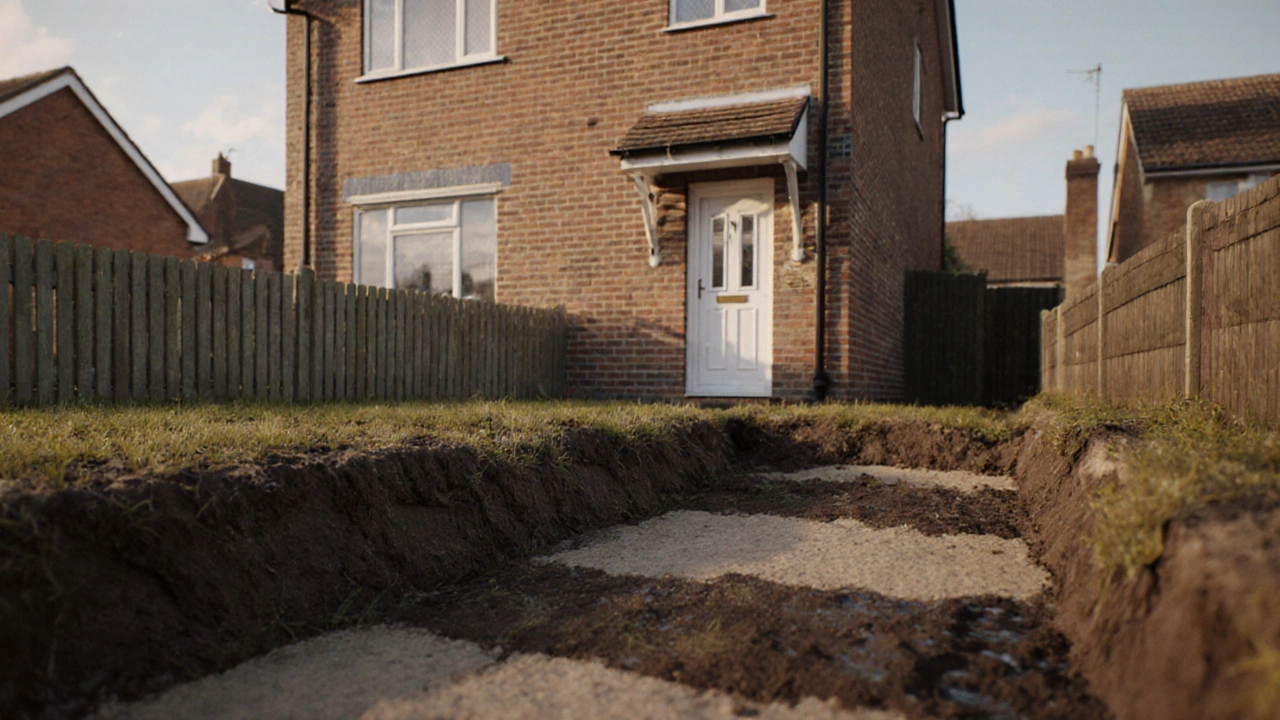
Can a House Still Settle After 20 Years? Explained
Learn why house settlement can still occur after 20 years, how to spot the signs, and what repair or prevention steps work best for long‑term stability.

Foundation Crack Size: What’s Actually Safe?
Not every crack in your foundation spells disaster. This article explains how big a foundation crack can get before you really need to worry, what types of cracks to watch out for, and the quick tricks you can use to tell harmless from harmful ones. Get smart tips for tracking crack growth and see when it’s time to get a pro involved. Save yourself the stress (and the bill) by knowing what’s normal. It’s everything homeowners wish they knew about foundation cracks.