Tiling: What You Need to Know Before Starting Your Project
When you think about tiling, the process of covering surfaces with ceramic, porcelain, stone, or glass tiles for durability and style. Also known as tile installation, it’s one of the most lasting upgrades you can make to a home. It’s not just about picking a pretty pattern—it’s about understanding how moisture, weight, and daily use impact your choice. A badly installed tile floor can crack, warp, or trap water. A poorly planned bathroom wall tiling can lead to mold behind the scenes. This isn’t guesswork—it’s physics, materials, and precision.
Most people focus on the ceramic tiles, a common, affordable type of tile made from clay and fired at high temperatures. Also known as porcelain tiles when denser and more water-resistant, but the real difference comes down to the base layer and adhesive. You can have the most expensive tiles in the world, but if the subfloor isn’t level or the waterproof membrane is skipped in a bathroom, you’re just delaying a costly fix. floor tiling, the application of tiles to horizontal surfaces like kitchens, bathrooms, and entryways demands a rigid, stable foundation. Walls? They need proper backer board, not drywall. And don’t assume all adhesives are the same—some work for floors, others only for walls. This is where most DIYers get it wrong.
And then there’s the bathroom tiling, a specialized form of tiling that requires moisture resistance, slip resistance, and seamless transitions around fixtures. It’s not just about covering surfaces—it’s about creating a waterproof shell. The order matters: walls before floors, grout after curing, sealant after drying. Skip a step, and you’re inviting water damage behind the tiles. That’s not a myth—it’s a common repair job we see too often.
What you’ll find below isn’t a list of trending tile colors or Instagram-worthy layouts. It’s real, practical advice from people who’ve done it—whether it’s how to avoid water damage by installing walls before floors, what $10,000 can actually buy in a bathroom remodel, or why the fridge placement in your kitchen might be linked to your tile choice. These aren’t theories. They’re lessons from jobs that went right, and jobs that went very wrong.
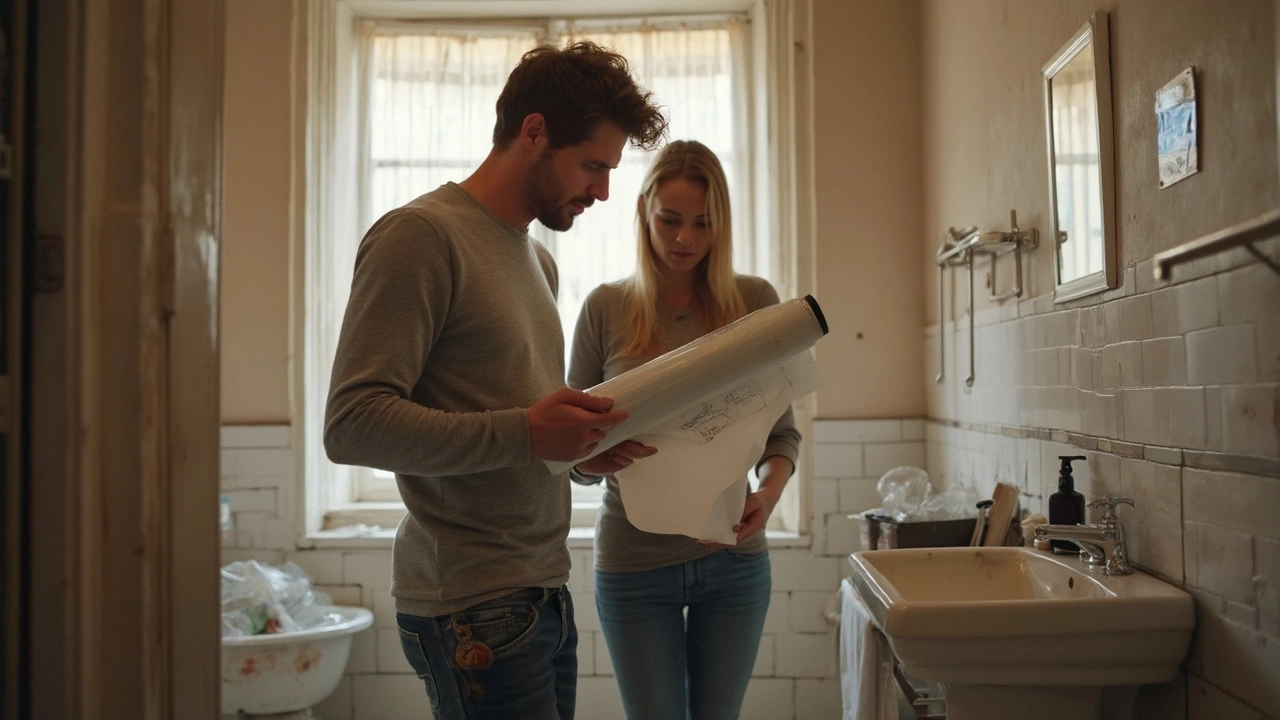
Bathroom Renovation: What's Actually the Hardest Part?
Renovating a bathroom can throw up some real challenges, especially when it comes to getting the details right. The hardest parts usually sneak up on first-timers, like proper waterproofing, handling old plumbing, or making everything fit in a tight space. Even experienced DIYers find tiling tricky, since one small mistake can ruin the look. Upgrading a bathroom is a big job packed with little decisions and plenty of chances for mistakes. Knowing about the common headaches can help you plan smarter and avoid big problems.