NZ Home Builder Matchmaker
Not sure which builder fits your project? Answer these four questions to get a personalized recommendation based on current market trends in New Zealand.
Your Recommended Builder Profile:
Why This Fits You:
Key Considerations:
Choosing a home builder feels like picking a life partner. You are tied together for months, sometimes years, sharing stress, budgets, and dreams. If the match is bad, you pay dearly. In New Zealand, where weather delays are common and labor shortages persist, finding a reliable residential construction company is not just about who has the prettiest portfolio. It is about who shows up when it rains, who communicates clearly when costs spike, and who stands by their workmanship long after the keys change hands.
You might be asking, "Who actually gets it right?" There is no single magic name that fits every plot of land or budget. Trust is built on specific traits: transparency, financial stability, and consistent communication. This guide breaks down the types of builders dominating the market in 2024, how to vet them without getting swindled, and what real data says about performance. We are looking past the glossy brochures to see who delivers homes that stand up to both Kiwi winters and your patience.
Understanding the Builder Landscape in 2024
The residential construction sector in New Zealand has shifted. Post-pandemic supply chain issues have stabilized somewhat, but material costs remain volatile. Builders who survived this period tend to fall into three distinct categories. Knowing which type you need saves time.
First, there are the National Volume Builders. These companies construct thousands of homes annually across the country. They excel at efficiency and fixed-price contracts. If you want a standard four-bedroom house on a suburban section with minimal customization, these firms offer speed and predictable pricing. However, they often lack flexibility. Changing a light switch location might cost extra because their processes are rigid.
Second, we have Regional Custom Builders. These firms operate within specific areas, such as Auckland, Wellington, or Christchurch. They understand local council rules, soil conditions, and microclimates better than national giants. Their strength lies in collaboration. They will sit down with you to tweak layouts and select finishes that suit your lifestyle. The trade-off? Higher costs and longer timelines due to bespoke detailing.
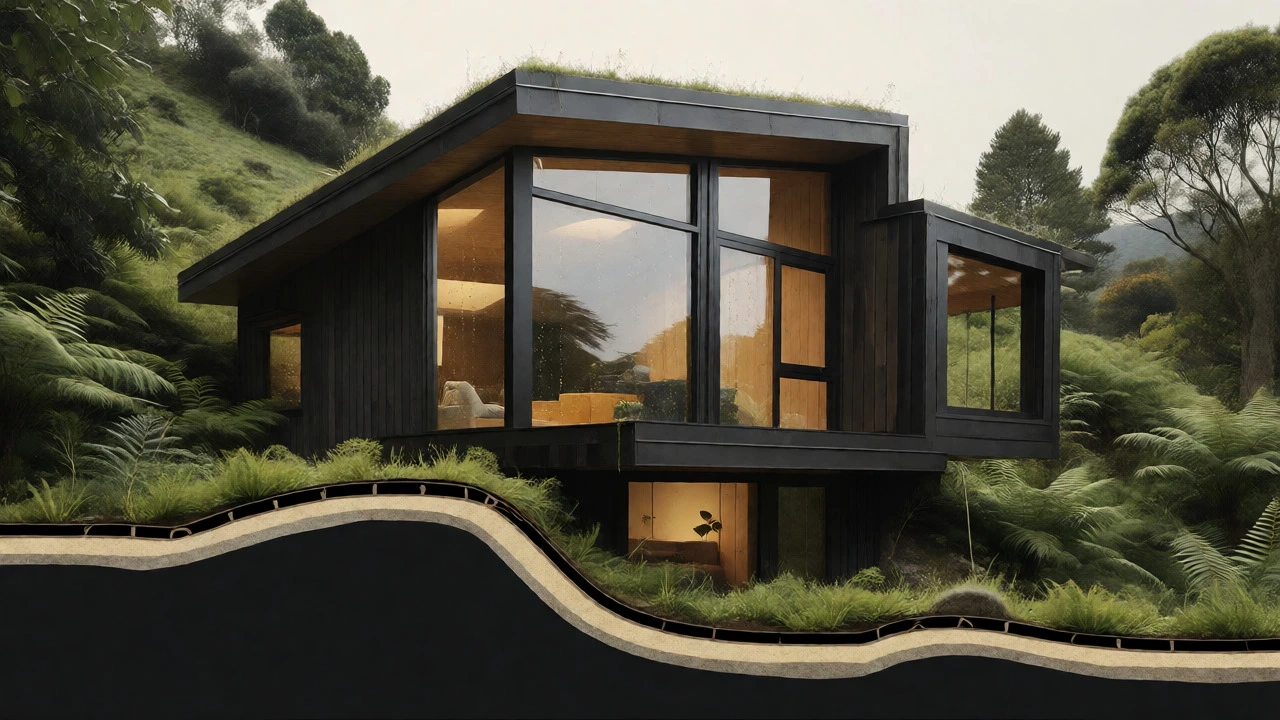
Third, there are Specialist Eco-Builders. With rising energy costs, many homeowners prioritize sustainability. These builders focus on high-insulation standards, passive solar design, and healthy materials. While their upfront price tags are steeper, the long-term savings on heating and cooling can offset the difference. They are ideal if your priority is low running costs rather than square footage.
| Builder Type | Best For | Cost Predictability | Customization Level | Typical Timeline |
|---|---|---|---|---|
| National Volume | Standard designs, tight budgets | High | Low | 6-9 Months |
| Regional Custom | Unique sites, specific needs | Medium | High | 9-15 Months |
| Eco/Specialist | Sustainability, health focus | Medium-High | Medium | 10-18 Months |
What Makes a Builder "Trusted"?
Trust isn't a feeling; it's a checklist. When reviewing potential partners for your build, ignore the sales pitch and look for hard evidence. A trusted builder in 2024 shares specific attributes that separate them from the rest.
Financial Transparency is non-negotiable. Ask for a breakdown of costs, not just a lump sum. Reputable builders use open-book accounting or detailed schedules of values. If a builder hesitates to show you line-item costs for plumbing or electrical work, walk away. Hidden variations are the biggest cause of budget blowouts in New Zealand.
Communication Protocols matter more than you think. Does the builder provide a weekly update schedule? Do they have a project manager dedicated to your site, or is one person juggling ten builds? Poor communication leads to misunderstandings, which lead to rework. Rework costs money and time. Look for builders who use digital project management tools where you can see progress photos and documents in real-time.
Warranty and Aftercare reveal character. All builders must provide a CodeMark or LBP (Licensed Building Practitioner) warranty. But trusted builders go further. They offer proactive maintenance checks at six and twelve months. They fix small cracks without being asked. This post-handover support indicates they care about their reputation beyond the final invoice.

How to Vet Potential Builders
You wouldn't buy a car without a test drive. Don't sign a contract without thorough vetting. Here is a practical step-by-step process to filter out the bad apples before they ruin your experience.
- Check the LBP Register: Verify that the builder holds a current license under the Licensed Building Practitioners Act 2006. This is a legal requirement for major residential work in NZ. An unlicensed builder is a red flag.
- Request References: Ask for three recent clients who completed similar projects. Call them. Ask specifically: "Did the final price match the quote?" and "How did the builder handle problems?" Generic praise means nothing. Specific stories about problem-solving do.
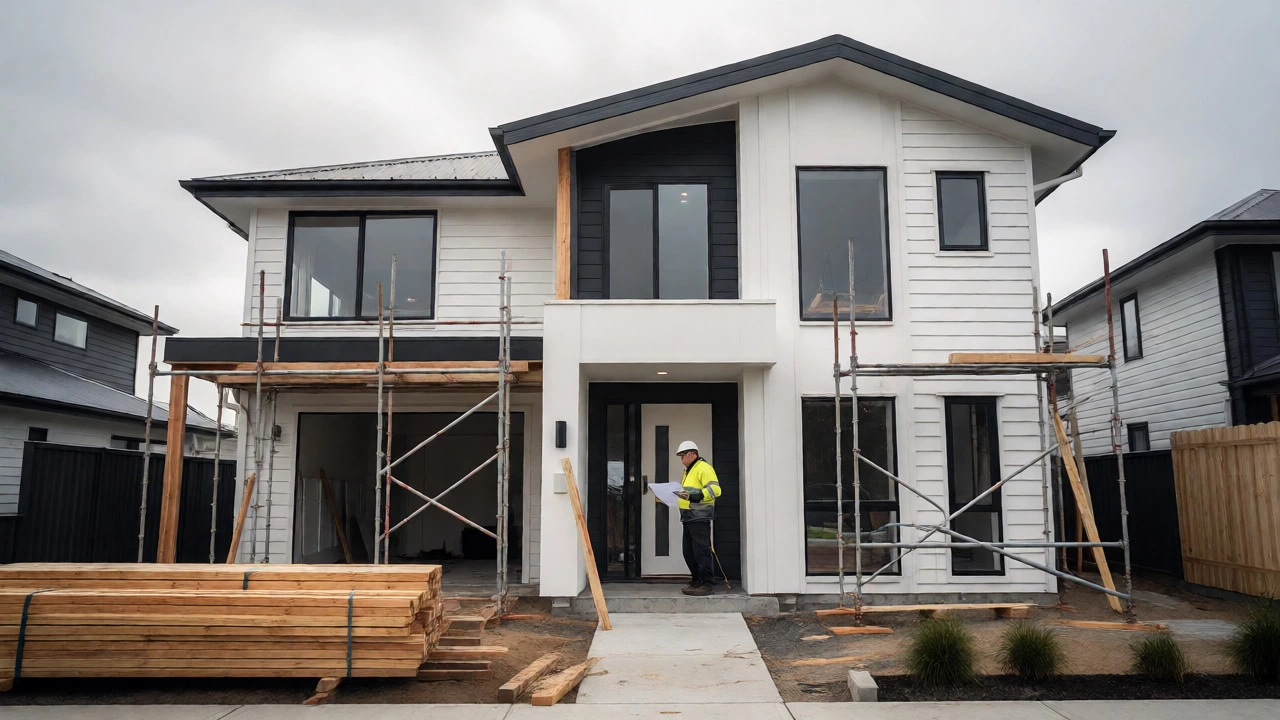
- Visit Active Sites: Ask to see a house currently under construction. Look at the tidiness. Are materials stacked neatly? Is the site safe? A messy site often reflects a disorganized mind. Talk to the subcontractors if possible. Happy tradespeople usually mean a well-managed builder.
- Review Insurance Coverage: Ensure they hold public liability insurance and professional indemnity insurance. Ask for copies of the certificates. If something goes wrong-like a fire during construction-you need to know they are covered.
Red Flags to Watch Out For
Even experienced homeowners get fooled. Sales teams are trained to highlight positives and gloss over negatives. Be wary of these warning signs during initial consultations.
Unrealistically Low Quotes: If a quote is 20% lower than others, ask why. Often, it’s because critical items are excluded. Check if site works, landscaping, driveways, and stormwater connections are included. Many "cheap" builds end up costing more once these extras are added.
Vague Contracts: A good contract specifies materials by brand and model number. "White paint" is vague. "Resene SpaceCote Low Sheen, Color: Half White" is clear. Ambiguity invites disputes. If the contract doesn't specify payment stages linked to completion milestones, push back.
Pressure to Sign Quickly: Construction moves slowly. If a builder pressures you to sign today to lock in a price, they might be struggling for cash flow. Legitimate businesses respect your decision-making timeline. Take your time. Consult a lawyer if needed.
Regional Nuances: Auckland vs. The Rest
Where you live changes who you should hire. In Auckland, the housing density and complex council consent processes require builders familiar with Unitary Plan rules. Builders specializing in infill developments or multi-unit townhouses thrive here. They understand the logistics of working on narrow sections with limited access for cranes and trucks.
In contrast, regional centers like Hamilton or Tauranga often have larger sections. Builders here may specialize in single-story family homes with outdoor living spaces. Weather patterns also differ. South Island builders deal with frost and snow loads, requiring different roofing and insulation expertise compared to North Island builders dealing with humidity and cyclonic winds. Choose a builder whose primary experience matches your climate zone.
Final Thoughts on Making Your Choice
There is no objective "best" builder. There is only the best builder for your project. A volume builder might frustrate a perfectionist architect, while a high-end custom builder might annoy someone who just wants a quick, affordable box. Align your expectations with the builder's strengths.
Start early. Good builders are booked out 3-6 months in advance. Visit their websites, read forums like HomeTalk NZ, and trust your gut. If the conversation feels forced or evasive, keep looking. Your home is likely your largest investment. Protect it by choosing a partner who values clarity, quality, and integrity as much as you do.
Do I need a licensed builder for all home construction in New Zealand?
Yes, for most major residential building work, you must engage a Licensed Building Practitioner (LBP). This applies to structural elements, roofing, and cladding. Small DIY jobs or minor repairs may not require an LBP, but always check with your local council to ensure compliance with the Building Act 2004.
How much does it typically cost to build a house in New Zealand in 2024?
Costs vary significantly by region and finish level. As of 2024, average construction costs range from $2,500 to $4,000 per square meter excluding land and site works. High-spec custom builds can exceed $4,500 per square meter. Always add a 10-15% contingency fund for unexpected variations.
What is the difference between a fixed-price and a cost-plus contract?
A fixed-price contract sets a total amount for the build, protecting you from material price rises but limiting flexibility. Changes usually incur fees. A cost-plus contract charges actual costs plus a markup fee. It offers maximum flexibility for changes but requires close monitoring to prevent budget overruns. Most volume builders prefer fixed-price; custom builders often use cost-plus.
How long does it take to build a new home in NZ?
From breaking ground to key handover, a typical single-family home takes 6 to 12 months. Complex custom designs or difficult site conditions can extend this to 18 months. Consent processing time adds another 2-4 months before construction even begins. Delays due to weather or material shortages are common and should be factored into your planning.
Should I choose a volume builder or a custom builder?
Choose a volume builder if you want a standard design, strict budget control, and faster delivery. Choose a custom builder if you have a unique block of land, specific architectural desires, or require high-level customization. Evaluate your priorities: speed and cost favor volume; uniqueness and fit favor custom.