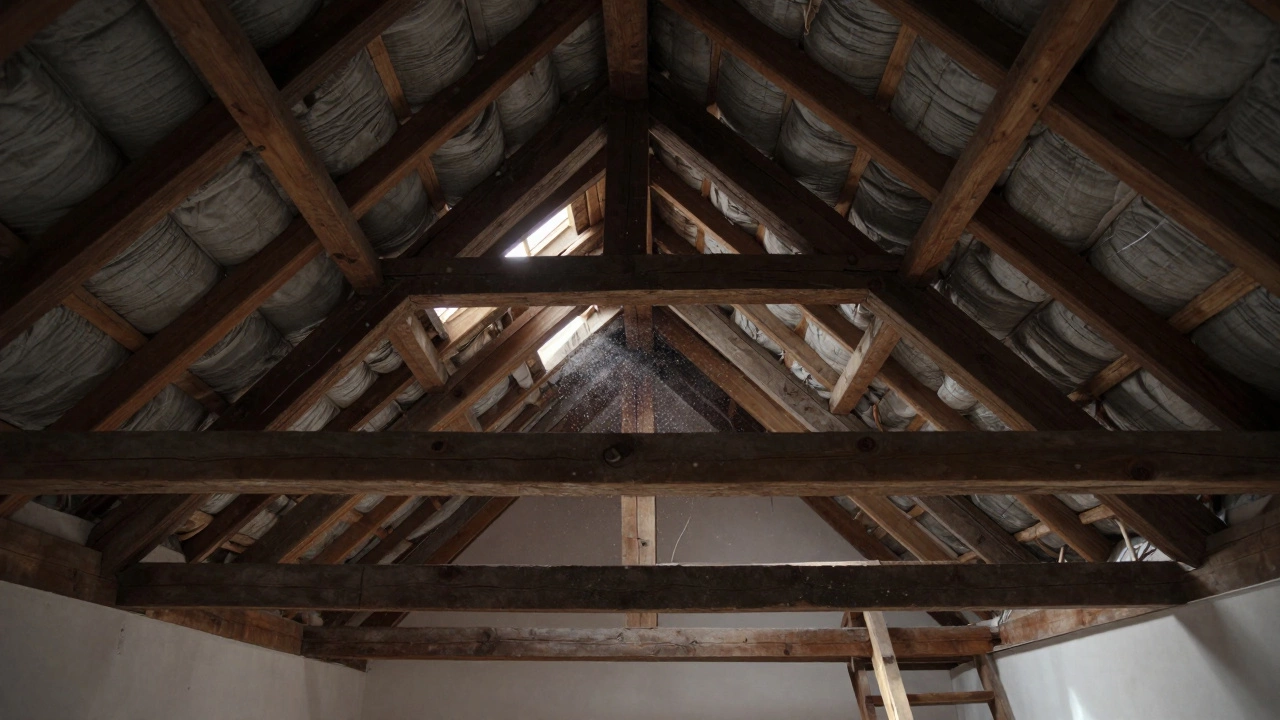
You stand at the top of your stairs looking up. There is potential space above you, filled with dust and old insulation, but getting from there to a bedroom is tricky. Most homeowners assume they can simply cut through the ceiling and drop down drywall. That rarely works because modern roofs use trusses designed for weight distribution, not headspace. The right choice depends on your roof shape, your budget, and local council rules. Knowing the difference between the four main types saves you thousands in redesign fees and prevents you from buying a house plan that doesn't fit your building shell.
We need to look past marketing gloss and understand the construction mechanics. Each type involves distinct structural interventions. Some stay within the roof slope, while others extend outward. This affects both how much floor area you gain and how expensive the project becomes. Here is exactly what you get when you choose one path over another.
Roof Light Loft Conversion
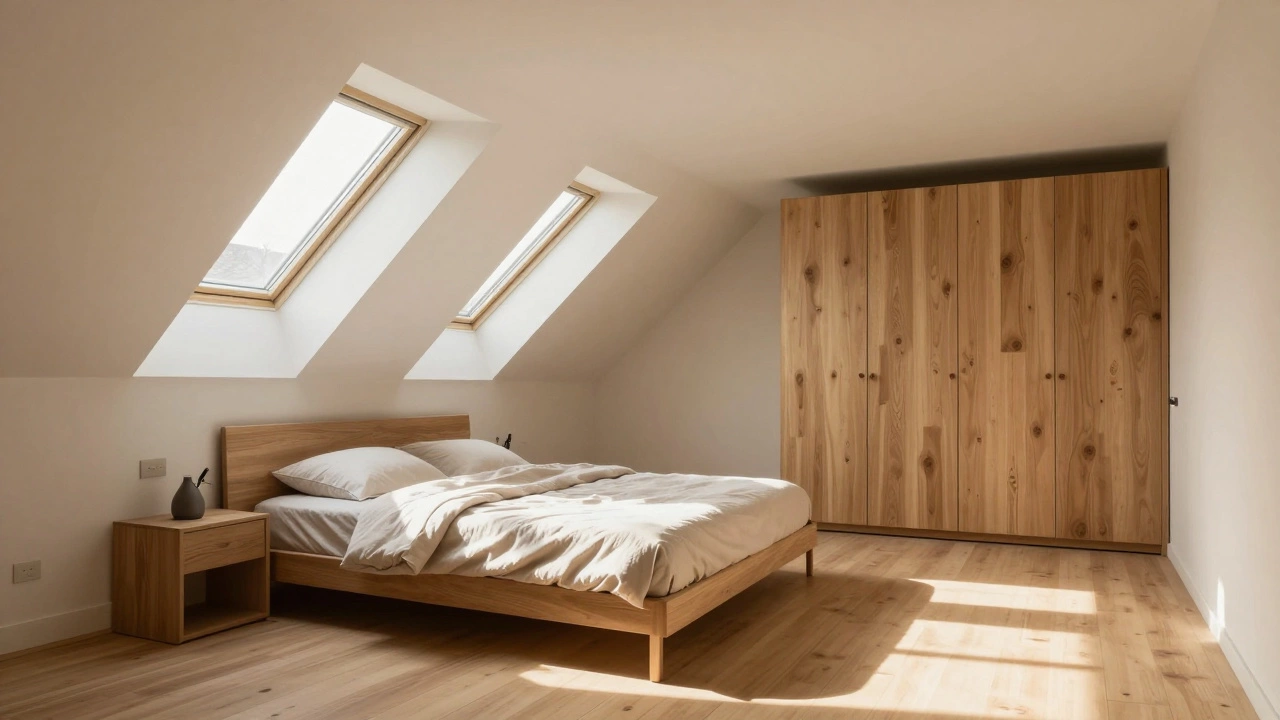
This is the entry point for almost every extension project. It is the simplest method because it leaves the exterior roofline completely untouched. You are essentially installing windows into the existing slope of the roof and laying a strong floor.
Roof Light Conversion is a loft renovation type that uses skylights within the existing roof plane without altering the external roof structure. Also known as Velux Conversion, it maintains the original architectural profile. This type relies on sufficient headroom already existing in the attic space. If your roof apex is high enough, you avoid major construction work outside.
The appeal is speed and cost. Since you aren't digging out the ground or raising walls, you often skip planning permission entirely. However, the trade-off is reduced headroom. Because you are working under the slope, the finished room feels smaller near the perimeter. Walls become slanted rather than vertical. You lose storage potential along the edges where a flat floor would otherwise sit. For a simple office or reading nook, this works perfectly. For a master suite with a built-in wardrobe, the sloping walls eat into usable footprint.
You also face constraints with natural light placement. Window orientation dictates the view. If your neighbors' chimneys block the southern aspect, a roof light might result in a dim room. You cannot move the window like you can with a vertical extension.
Dormer Loft Conversion
If you need square footage, you build out. The dormer projects vertically from the slope of the roof. Think of a box extending from the peak. This creates full-height standing walls inside, giving you proper rectangular rooms.
Dormer Loft Conversion is a type of conversion involving a vertical extension projecting from the roof slope, creating full headroom and additional floor space. It typically features flat or pitched rear sections and allows for upward expansion without changing the ridge line significantly.
There are three subtypes here: Front, Rear, and Side. Rear dormers are the most common in suburban areas where streets are lined with terraced homes. They allow for a larger opening without facing the street directly. Side dormers utilize the space where the roof slopes meet the side wall.
Why choose this over a roof light? It doubles the floor area in many cases. Instead of triangular corners, you gain flat corners where furniture fits easily. It also opens the room to the sky more effectively. With a dormer, the window faces the horizon rather than pointing straight up. This improves daylight quality throughout the day. However, it requires more structural support. You need steel beams to hold the new floor span and timber framing for the dormer walls themselves.
A rear dormer usually falls under permitted development rights in many regions, but if your house has listed status or sits in a conservation area, you must apply for planning permission. In these zones, the visual impact matters immensely. A large brick dormer can spoil a historic streetscape.
Hip-to-Gable Loft Conversion
Not all roofs are pitched. Many semi-detached and detached homes have hipped ends. A hipped roof slopes downwards on two sides rather than ending in a vertical wall. This limits your usable space significantly at the lower end.
Hip-to-Gable Conversion is a renovation technique converting a sloping hip roof end into a vertical gable wall to maximize interior volume. This modification transforms the external geometry of the building. It essentially turns the angled wall into a flat vertical surface.
This option is highly effective for semi-detached houses where the hip end faces the garden. By removing the slope, you create a large vertical wall for windows and doors. It adds significant width to the loft floor plan. Often, this is combined with a rear dormer for maximum gain.
Structurally, this change requires careful engineering. The new gable wall takes over the load from the removed hips. You often need steel lintels to support the masonry above the new openings. The aesthetic benefit is that it preserves the front elevation of the house, keeping the street look intact while expanding the back.
In New Zealand and Australia, this style is very popular for weatherboard homes. However, in the UK, it is specific to brick-built structures. Check if your specific hip angle is too shallow; sometimes the wall gain isn't worth the expense.
Mansard Loft Conversion
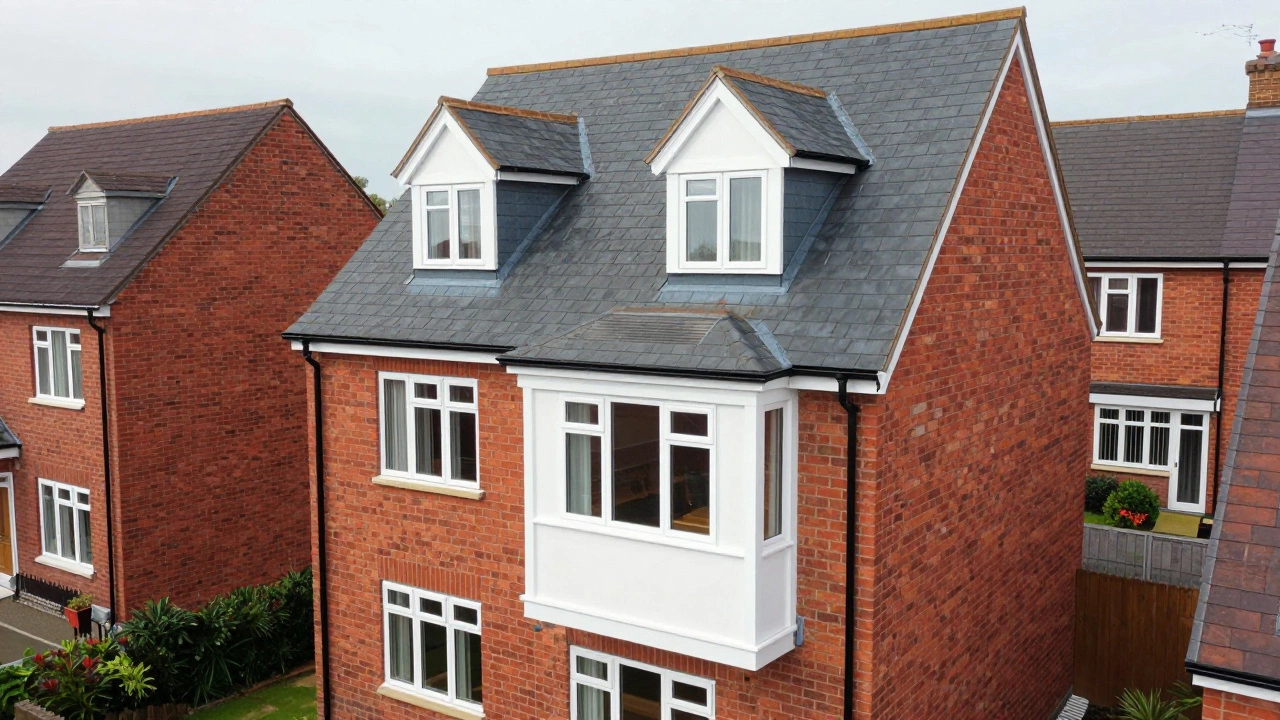
This is the biggest of them all. A Mansard involves altering the pitch of the entire rear roof. The steep slope becomes nearly vertical, meeting a shallower flat or curved section at the top.
Mansard Loft Conversion is the most extensive loft conversion type, replacing the majority of the roof structure with a vertical facade for maximum headroom and floor area. It is frequently seen in urban environments. The design maximizes space efficiency.
Because you are reconstructing a large part of the roof, you are adding a whole new story to the building in practical terms. You can fit large double bedrooms, en-suite bathrooms, and kitchens up there. It provides the highest ratio of habitable space per dollar spent.
However, this comes with the strictest planning restrictions. In almost every municipality, a Mansard requires planning permission approval. Neighbors often object because it changes the skyline. In conservation areas, this type is often banned outright to protect heritage character.
Construction time is longer. You are essentially rebuilding the roof frame. This means scaffolding stays up for weeks, and noise levels are higher compared to a quick roof light job. The cost also reflects the extra materials and labor hours required for the new roofing tiles, flashing, and structural reinforcement.
Structural and Regulatory Realities
Before signing a contract, you must verify the condition of the existing roof. You are not just moving glass panes around. You are changing the load path of the building.
Floor Loadings matter immensely. Residential floors must support 1.5 kN/m². Existing attics often lack this capacity. You might need to insert engineered joists or steel beams underneath your new living space. Ignoring this leads to sagging ceilings below and safety risks.
Building Regulations govern fire escapes, ventilation, and thermal performance. Most councils now mandate a minimum headroom of 2 meters for the majority of the floor area. They also require a permanent fixed staircase rather than pull-down ladders. This stairwell takes up space in the room below, potentially affecting kitchen layouts or hallway flow.
Insulation is a mandatory requirement for energy efficiency in loft conversions, ensuring thermal resistance meets current building codes. Without proper Thermal Breaks, the new room will be unusable in winter or summer.
In colder climates, condensation is the silent killer. Cold bridging between the new plasterboard and the old brickwork causes mold. You need to install vapor barriers correctly. In warmer regions, solar heat gain through the skylights can turn the room into an oven without shading solutions or UV glazing.
Comparison Overview
| Conversion Type | Complexity | Space Gain | Planning Risk |
|---|---|---|---|
| Roof Light | Low | Minimal | Very Low |
| Dormer | Medium | High | Low |
| Hip-to-Gable | Medium | Medium-High | Medium |
| Mansard | High | Maximum | High |
Frequently Asked Questions
Does a loft conversion add value to my home?
Yes, in most housing markets. Adding a functional bedroom or family room increases the property's capital value. A well-executed dormer or mansard conversion often yields a return on investment between 70% and 80% upon sale, provided the finish quality matches the rest of the home.
Do I need planning permission for a dormer conversion?
It depends on your location. Under permitted development rights in many jurisdictions, rear dormers do not require permission if they stay within volume limits. However, if you are in a conservation area, designated land, or listing applies, you will likely need full planning approval.
How long does a conversion take?
A simple roof light job takes 3 to 4 weeks. A dormer conversion typically takes 8 to 10 weeks due to external work. Mansard conversions are the longest, ranging from 12 to 16 weeks, as they involve significant reconstruction of the roof structure.
Can I convert a roof with trusses?
Yes, but it requires cutting trusses and reinforcing the remaining web members with steel beams. Trussed rafter roofs are stronger than cut rafters but offer less flexibility for mid-span support. A structural engineer must sign off on the modifications.
What is the cheapest way to convert a loft?
The Roof Light conversion is consistently the most affordable option. Costs range from $25,000 to $35,000 for basic finishes depending on the region. Dormers start higher, often exceeding $45,000 due to masonry and roofing material requirements.