Roof Payment & Cost Calculator
Project Details
Payment Breakdown
Standard Milestone Schedule
-
1 Deposit (Upfront)$0Secures job slot & materials
-
2 Progress Payment$0Upon material delivery/strip
-
3 Completion Balance$0After final inspection
Hidden Cost Estimator
Check any potential additional costs not included in your base quote to get a realistic total budget.
Most homeowners dread the moment their roofer hands them a quote. The number is often higher than expected, and suddenly, you’re wondering how to pay for it. But what exactly is a roof payment? It isn’t just one single transaction. It’s a financial structure that can range from a lump-sum cash transfer to a complex monthly loan plan spread over decades.
If you’ve ever stared at a roofing invoice and felt confused by terms like 'deposit,' 'progress payments,' or 'financing fees,' you are not alone. The roofing industry has specific billing practices that differ from buying groceries or even hiring a plumber. Getting this wrong can lead to cash flow nightmares or, worse, falling victim to predatory lending schemes. Let’s break down exactly how roof payments work, so you can negotiate with confidence and protect your wallet.
The Anatomy of a Standard Roofing Invoice
Before we talk about loans, we need to understand the bill itself. A standard roof payment schedule is rarely a single charge. Most reputable contractors in Auckland and across New Zealand use a milestone-based payment structure. This protects both you and the contractor.
Here is how a typical payment breakdown looks:
- The Deposit (10-30%): Paid upfront to secure the job slot and order materials. Never pay more than 30% upfront. If a contractor asks for 50% or more before starting, walk away.
- Material Delivery/Start Date (40-50%): Paid when the old roof is stripped and new materials arrive on-site. This covers the bulk of the material costs.
- Completion Payment (Balance): Paid only after the work is finished, cleaned up, and inspected. You should never pay the final balance until you are satisfied with the result.
This structure ensures the contractor has cash flow to buy supplies while giving you leverage if the work stalls. If you pay everything upfront, you lose all control. If you wait until the end, the contractor might run out of money halfway through.
Cash vs. Credit: Immediate Payment Options
For many people, the simplest way to handle a roof payment is using existing savings or credit cards. Each method has distinct pros and cons regarding interest rates and consumer protection.
| Payment Method | Cost to Borrower | Consumer Protection | Best For |
|---|---|---|---|
| Bank Transfer/Cash | $0 Interest | Low (Hard to dispute) | Those with full savings |
| Credit Card | High (18-20% APR) | High (Chargeback rights) | Small repairs under $5k |
| Buy Now, Pay Later (Afterpay/Klarna) | Low/Medium (if paid on time) | Medium | Minor fixes, guttering |
Using a credit card offers significant protection. If the roofer disappears or does a terrible job, you can file a chargeback with your bank. However, carrying a balance on a credit card is expensive. With interest rates hovering around 18-20% in New Zealand, a $15,000 roof could cost you an extra $2,700-$3,000 in interest if you only make minimum payments. Reserve credit cards for smaller jobs where you can pay off the balance within two billing cycles.
Financing Your Roof: Loans and Installments
When the bill hits $20,000 or more, most homeowners turn to financing. There are three main avenues here, each with different requirements and risks.
1. Home Equity Loans or Lines of Credit (HELOC)
If you own your home outright or have significant equity, this is usually the cheapest option. You borrow against the value of your house. In New Zealand, interest rates for secured loans are typically lower than unsecured personal loans because the bank has collateral. The downside? If you default, you could lose your home. Use this only if you are certain you can afford the monthly repayments.
2. Personal Unsecured Loans
You don’t need equity for this. Lenders look at your income and credit score. These loans have fixed terms (e.g., 3 to 7 years) and fixed monthly payments. They are predictable but come with higher interest rates than HELOCs. Shop around. Banks, credit unions, and online lenders all compete here. Don’t just accept the first offer from your current bank.
3. Contractor-Financed Plans
Some large roofing companies partner with finance providers to offer '0% interest' plans for 12-24 months. Sounds too good to be true? Read the fine print. Often, these deals require perfect credit. Also, if you miss one payment, deferred interest might kick in, charging you back-interest for the entire period. Always calculate the total cost if you fail to pay off the balance within the promotional window.
Insurance Payments: When the Storm Hits
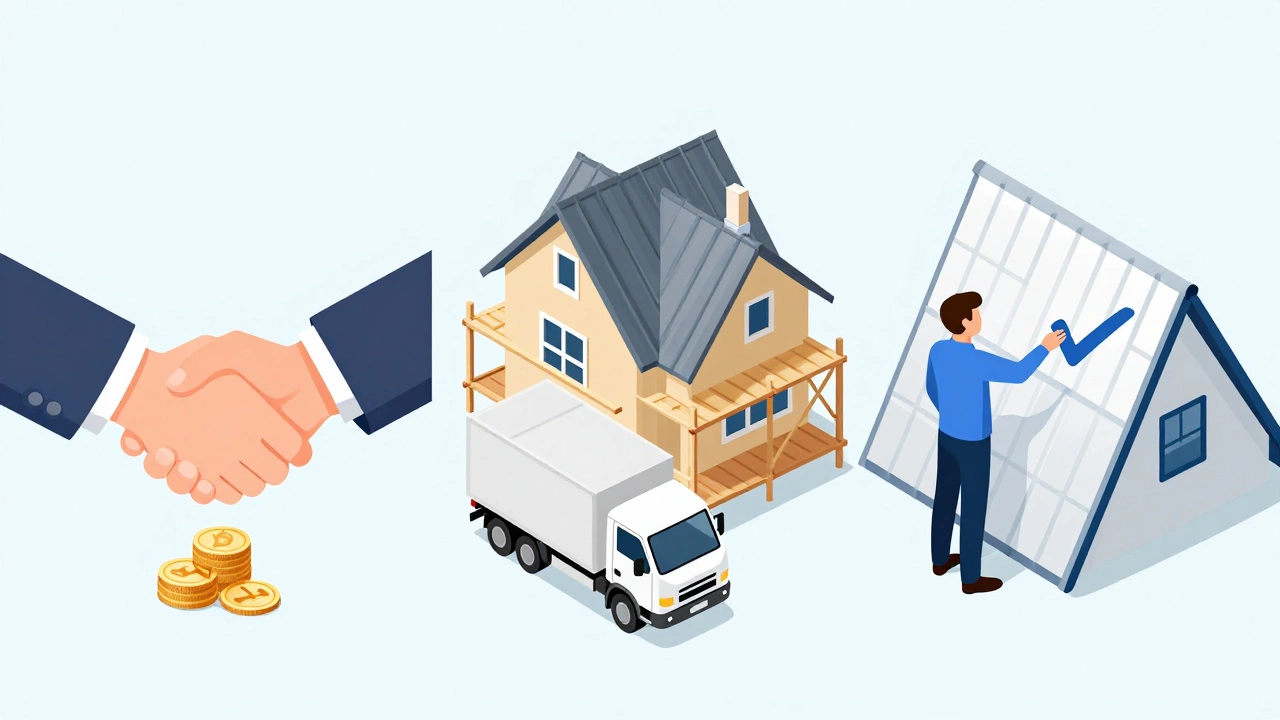
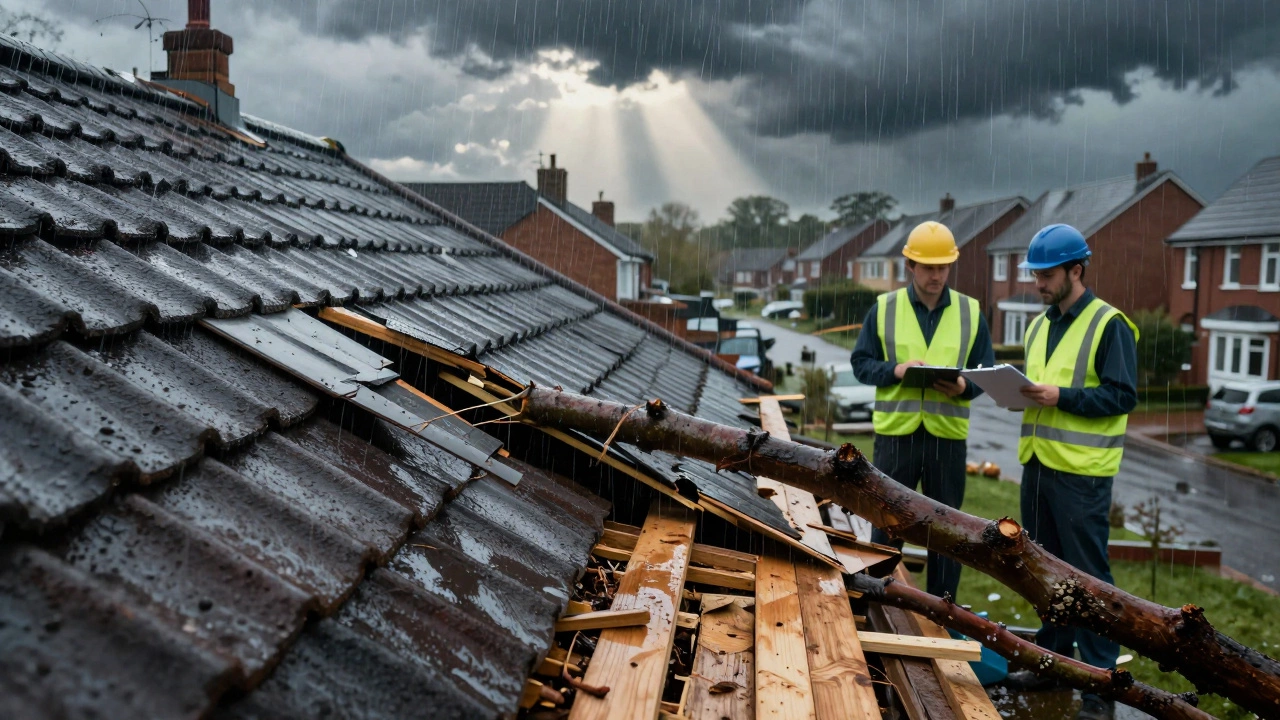
A unique type of roof payment comes into play when damage occurs due to weather events like hail, wind, or fallen trees. In these cases, your homeowner’s insurance policy may cover part or all of the cost.
Here is the critical distinction: Wear and Tear is damage caused by aging, lack of maintenance, or gradual deterioration. Insurance never covers wear and tear. If your roof leaks because shingles are 20 years old, that’s on you. If a tree branch crashes through during a storm, that’s covered.
The process works like this:
- You file a claim with your insurer.
- An adjuster inspects the damage.
- The insurer determines the 'Actual Cash Value' (ACV) or 'Replacement Cost Value' (RCV).
- You pay your deductible (excess).
- The insurer pays the rest directly to you or the contractor.
Be wary of 'storm chasers'-contractors who knock on doors after bad weather offering to handle the insurance claim for free. They often inflate claims, which can get your policy canceled. Stick to local, established contractors who understand how to work with insurers properly.
Hidden Costs That Surprise Homeowners
Your initial quote might say $15,000, but the final roof payment ends up being $18,000. Why? Because roofs hide secrets. Once the old layers are stripped, contractors often find rotting wood, damaged fascia boards, or inadequate insulation.
To avoid sticker shock, ask for a 'contingency clause' in your contract. This states that any unforeseen structural repairs will be quoted separately and approved by you before work begins. Never let a contractor proceed with extra work without a written change order and a clear price.
Other hidden costs include:
- Permit Fees: In Auckland Council areas, major re-roofs require building consent. Who pays for this? Clarify early.
- Disposal Fees: Removing old tiles or metal sheets costs money to haul away. Ensure the quote includes 'debris removal.'
- Scaffolding: For multi-story homes, scaffolding is essential for safety. Some quotes exclude this rental cost.
Navigating Warranties and Long-Term Value
A roof payment isn’t just about covering today’s cost; it’s an investment in your home’s longevity. Two types of warranties affect your decision:
Manufacturer Warranty: Covers defects in the materials (shingles, metal panels). This usually lasts 20-50 years. If a tile cracks due to a manufacturing flaw, they replace it for free.
Labor Warranty: Covers the installation work. If the roof leaks because nails were placed incorrectly, the contractor fixes it. This typically lasts 5-10 years. Get this in writing. Verbal promises mean nothing.
Choosing cheaper materials to save on the initial payment often voids manufacturer warranties or leads to earlier replacements. Sometimes, paying slightly more upfront for premium, durable materials saves thousands in long-term repair costs.
Red Flags in Roofing Contracts
Before you sign anything or make a payment, check for these warning signs:
- No Physical Address: Legitimate businesses have a local office. P.O. boxes are suspicious.
- Pressure Tactics: 'This price is only valid today!' is a classic scam. Take your time.
- Vague Scope of Work: The contract must list brand names, model numbers, colors, and quantities. 'Standard quality shingles' is too vague.
- Cash-Only Discounts: While small discounts exist, large demands for cash-only payments suggest tax evasion and lack of accountability.
In New Zealand, ensure your contractor holds a Licensed Building Practitioner (LBP) license for roofing work. This guarantees they meet government standards for competency and insurance. You can verify this on the official LBP directory.
Making the Final Decision
Deciding how to pay for your roof involves balancing immediate cash flow with long-term debt. If you have the savings, paying cash avoids interest entirely. If you need to borrow, prioritize low-interest secured loans over high-interest credit cards. Always insist on a milestone-based payment schedule to maintain leverage throughout the project.
Remember, the cheapest quote is rarely the best deal. Look for transparency, proper licensing, and clear communication. A roof protects your family from the elements; treating the payment process with the same seriousness ensures that protection lasts for decades.
How much deposit is normal for a roof replacement?
A standard deposit is between 10% and 30% of the total contract value. This covers administrative costs and initial material orders. Be cautious if a contractor requests more than 30% upfront, as this increases your financial risk if the work is not completed satisfactorily.
Can I use my credit card to pay for a new roof?
Yes, but it depends on the amount. For smaller repairs under $5,000, a credit card is convenient and offers fraud protection. For larger projects, the high interest rates (often 18-20%) can add thousands to your cost. Only use a credit card if you can pay off the full balance within the interest-free period.
Does insurance cover roof payments for leaks?
It depends on the cause. Insurance covers sudden, accidental damage like storm debris or fire. It does not cover gradual wear and tear, aging materials, or poor maintenance. If your roof leaks because it's old, you must pay for repairs out of pocket.
What is a progress payment in roofing?
Progress payments are installments made at specific stages of the project, such as after stripping the old roof or upon delivery of new materials. This method helps contractors manage cash flow while ensuring homeowners don't pay the full amount before seeing the work progress.
Should I pay the final balance before or after inspection?
Always pay the final balance after the work is complete, cleaned up, and inspected to your satisfaction. Never release the last payment until you have verified that all agreed-upon tasks are finished and there are no visible defects.