Foundation Repair Method Finder
Answer a few questions about your home's condition to get a recommended repair strategy.
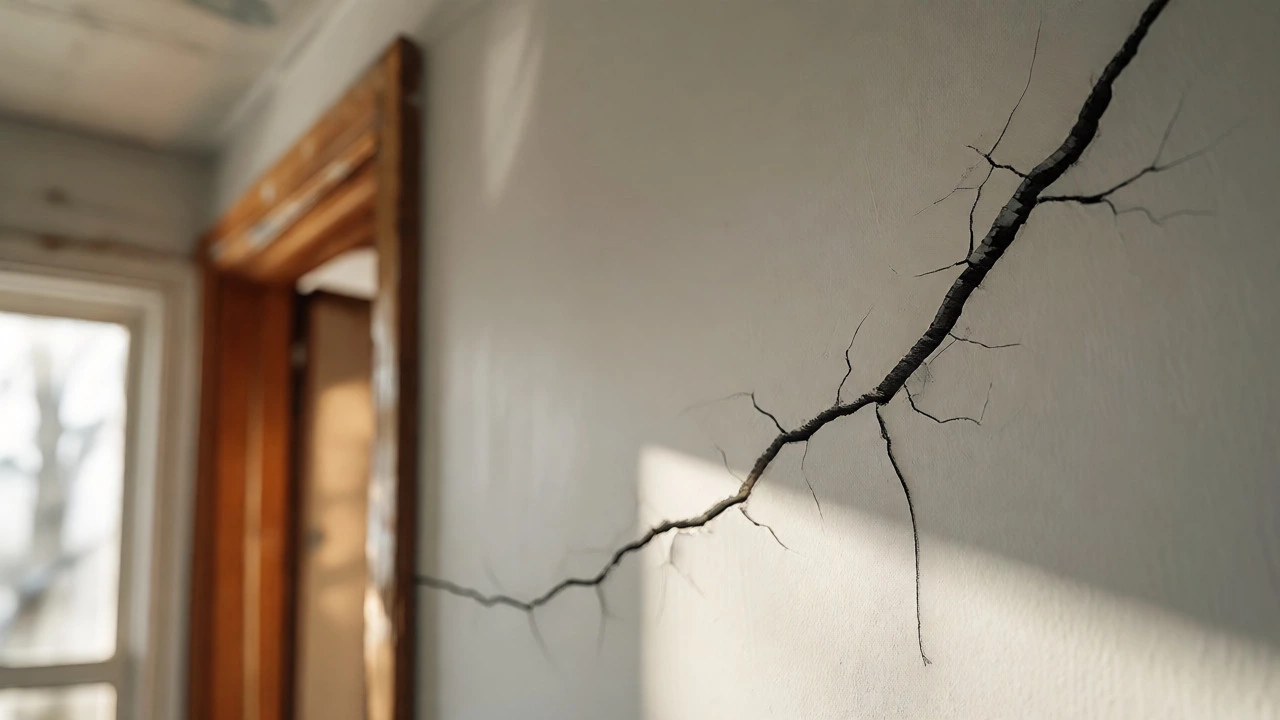
You notice a crack in your drywall. It’s small at first, maybe the width of a hair. Then it widens. Doors stop closing properly. Your kitchen floor feels slightly uneven when you walk barefoot. Panic sets in. You start Googling "best method for foundation repair," hoping for a simple answer. Spoiler alert: there isn't one universal winner. The "best" method depends entirely on what your soil is doing, how much your house has moved, and what kind of foundation you have.
Here in Auckland, we deal with unique ground conditions-volcanic soils that expand and contract with moisture changes. A solution that works perfectly in Texas clay might be overkill or ineffective here. Before you sign any contract, you need to understand the mechanics of the problem. Is your foundation sinking (settling) or heaving (pushing up)? Are the cracks diagonal (shear stress) or vertical (settlement)? Answering these questions dictates whether you need piers, polyurethane foam, or just better drainage.
Diagnosing the Problem Before Fixing It
You can’t fix what you haven’t identified. Many homeowners skip this step because they want the pain gone quickly. But hiring a contractor who jumps straight to selling piers without a proper assessment is like a doctor prescribing surgery before checking your blood pressure. You need a structural engineer’s report. Not a sales pitch from a repair company, but an independent opinion.
Look for specific signs. Stair-step cracks in brick veneer usually indicate differential settlement-one part of the house is dropping faster than another. Horizontal cracks in basement walls suggest hydrostatic pressure pushing against the foundation. If you see doors sticking in the summer but closing fine in winter, you’re likely dealing with seasonal movement due to soil moisture changes, not necessarily catastrophic failure. In New Zealand, expansive clays are notorious for this. They swell when wet and shrink when dry, causing the foundation to move cyclically.
Piering: The Heavy-Duty Solution
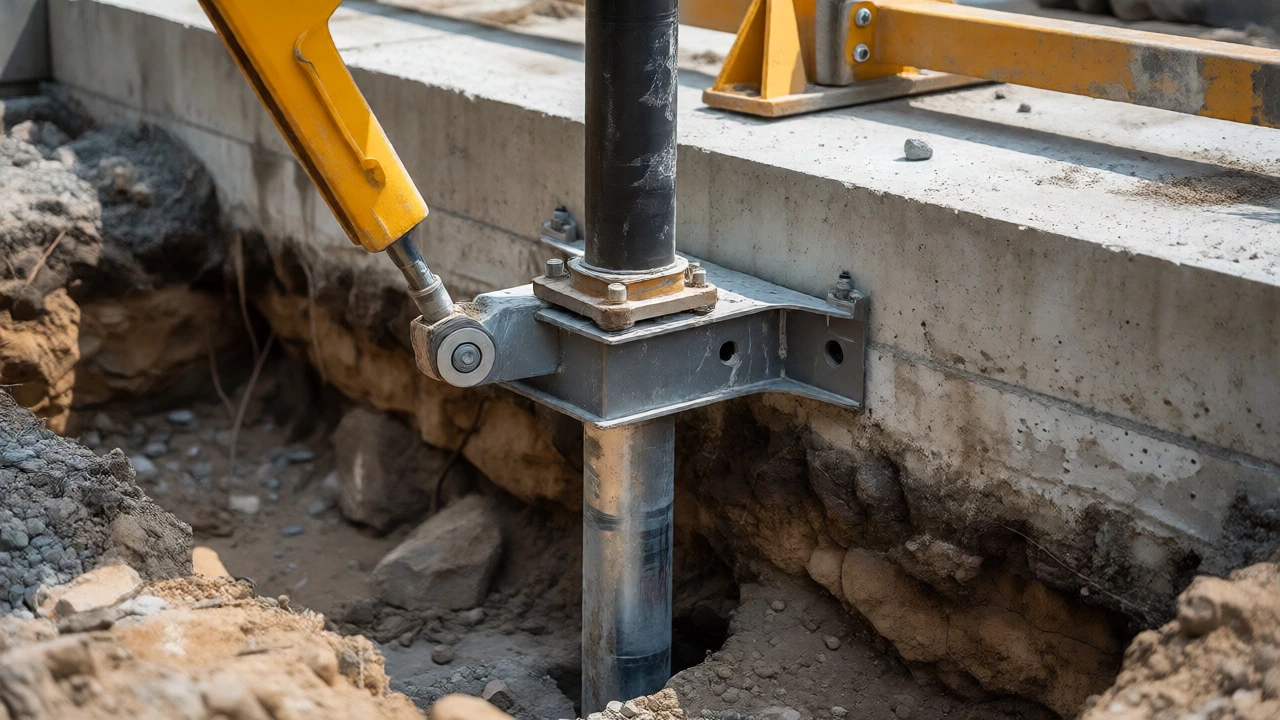
When people ask about the "gold standard" for serious foundation issues, they’re usually talking about Steel Push Piers. This method involves driving steel pipe sections through brackets attached to the foundation footing until they reach stable bedrock or dense load-bearing strata. Once anchored, hydraulic jacks lift the structure back to its original position. The weight of the house is then transferred from the unstable soil to the steel piers.
Why do contractors love push piers? Because they work. If your house has sunk more than an inch or two, piers are often the only way to stabilize it long-term. They don’t rely on the surrounding soil holding up the home; they bypass it entirely. However, they are expensive. Expect to pay between $1,500 and $3,000 per pier, depending on depth and accessibility. For a typical four-bedroom home needing eight piers, you’re looking at a significant investment.
There’s also Helical Piers, which are screwed into the ground rather than driven. These are great if you can’t get heavy machinery close to the house or if the soil conditions make driving difficult. Helical piers allow for precise torque control, ensuring each pier bears the exact load required. They’re less invasive during installation but require specialized equipment to install correctly.
Mudjacking vs. Polyurethane Foam Lifting
If your concrete slab has sunken but hasn’t cracked apart, you might not need piers. Enter lifting methods. Traditionally, this meant Mudjacking (also called slab jacking). Crews drill holes in the concrete and pump a slurry of cement, sand, and water underneath. The pressure fills voids and lifts the slab back into place. It’s been around for decades and is generally cheaper than polyurethane.
But mudjacking has downsides. The material is heavy-about 100 pounds per cubic foot. It adds weight to already saturated soil. It can wash out over time if the underlying soil is eroding. Plus, those drilled holes leave ugly scars in your driveway or patio unless patched meticulously.
Enter Polyurethane Foam Injection. This newer technology uses expanding foam injected through small dime-sized holes. The foam expands up to 100 times its liquid volume, filling voids and lifting the slab. Why choose this over mud? Weight. Polyurethane weighs only 4 pounds per cubic foot. It doesn’t add load to the soil. It’s water-resistant, so it won’t degrade if groundwater rises. And the holes are tiny, making repairs nearly invisible.
The catch? Cost. Polyurethane can cost 2-3 times more than mudjacking per square foot. But when you factor in longevity and minimal disruption, many homeowners find the premium worth it. If you have a garage slab or sidewalk that’s tripping people up, polyurethane is often the smarter buy.
Drainage: The Silent Foundation Killer
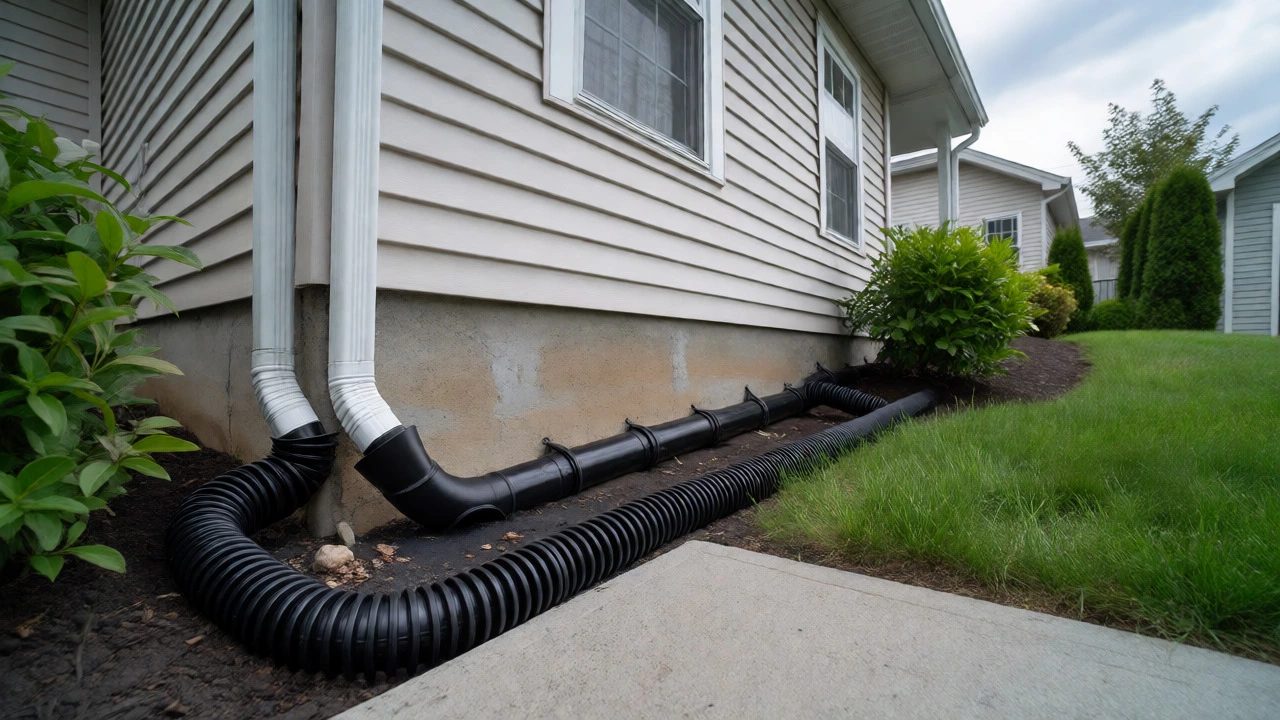
Before you spend thousands on piers or foam, check your gutters and downspouts. More foundation problems stem from poor water management than any other single cause. Water pooling near your foundation saturates the soil, reducing its bearing capacity. Or, in expansive clay areas, it causes swelling and heaving.
Fixing drainage is cheap compared to structural repair. Extend downspouts at least six feet away from the house. Install French drains if water collects in low spots near the perimeter. Grade the soil so it slopes away from the foundation-about six inches of drop over ten feet. This simple landscaping adjustment can halt minor cracking and prevent existing damage from worsening. Sometimes, the "best method" for foundation repair is actually fixing your roof and gutters.
Comparison of Foundation Repair Methods
To help you decide, here’s a breakdown of the most common techniques. Keep in mind prices vary by region and site accessibility.
| Method | Best For | Avg. Cost | Lifespan | Invasiveness |
|---|---|---|---|---|
| Steel Push Piers | Severe settling, deep foundations | $1,500 - $3,000/pier | Permanent | High (excavation) |
| Helical Piers | Light structures, tight access | $1,800 - $3,500/pier | Permanent | Medium |
| Polyurethane Foam | Sunken slabs, sidewalks, garages | $25 - $50/sq ft | 10-20+ years | Low (small holes) |
| Mudjacking | Budget-conscious slab lifting | $8 - $15/sq ft | 5-10 years | Medium (larger holes) |
| Carbon Fiber Straps | Basement wall bowing/cracking | $250 - $400/wall | Permanent | Low (interior only) |
Regional Considerations: Soil Matters
You live where you live, and your soil dictates the strategy. In the Pacific Northwest, high rainfall means drainage and waterproofing are critical components of any repair plan. In the Southwest, expansive clay requires piers that go deep enough to bypass the active moisture zone. In coastal areas like Auckland, salt air can corrode steel piers if they aren’t properly coated or galvanized.
Always ask your contractor: "How deep will these piers go?" If they say "until refusal," ask for specifics. Refusal could mean hitting rock, or it could just mean the soil got denser temporarily. True bedrock anchoring provides the highest confidence. If you’re in a seismic zone, flexible connections between piers and the foundation are essential to absorb earthquake energy without snapping the support.
DIY Myths and When to Call a Pro
Can you fix foundation problems yourself? Mostly, no. You can improve drainage, seal cracks with epoxy, and monitor movement. But structural lifting and stabilization require engineering calculations and heavy equipment. Trying to jack up a corner of your house with a bottle jack without proper bracing can crack your chimney or break pipes.
Hire a professional if:
- Cracks are wider than 1/4 inch.
- Doors and windows stick consistently.
- Floors slope visibly (use a level to check).
- You see gaps between baseboards and floors.
Get three quotes. Compare them not just on price, but on warranty terms. A reputable company offers a transferable lifetime warranty on piers. Read the fine print-does it cover labor as well as materials? Does it exclude certain types of movement?
Preventive Maintenance Checklist
Once your foundation is repaired, keep it that way. Foundation health is ongoing care, not a one-time fix.
- Water Consistency: During droughts, use soaker hoses around the perimeter to keep soil moist. Sudden drying causes shrinkage.
- Gutter Cleaning: Clean gutters twice a year. Clogged gutters dump water right next to the foundation.
- Tree Management: Remove large trees within 15 feet of the house. Their roots drink massive amounts of water, drying out soil beneath the slab.
- Monitor Cracks: Mark existing cracks with tape and a date. If the tape breaks, new movement occurred.
Choosing the best foundation repair method isn’t about picking the fanciest tech. It’s about matching the solution to the specific physics of your home’s situation. Whether it’s steel piers biting into bedrock or polyurethane foam gently lifting a slab, the right choice protects your biggest asset. Do your homework, get independent advice, and don’t let fear drive your decision-making process.
Is foundation repair covered by homeowners insurance?
Typically, no. Most standard policies exclude gradual settlement and maintenance issues. However, if sudden damage occurs due to a covered peril-like a burst pipe washing out soil beneath the foundation-you might have a claim. Always check your policy details and consult your agent.
How long does foundation repair take?
Pier installation usually takes 1-3 days for an average home. Mudjacking or polyurethane lifting can be completed in a few hours. Drainage improvements might take longer depending on landscaping complexity. Allow extra time for inspections and paperwork.
Can I sell my house after foundation repair?
Yes, and you should disclose the repair history. Providing documentation from a licensed engineer and a transferable warranty reassures buyers. Properly repaired foundations often increase property value compared to homes with unresolved issues.
What is the difference between settling and heaving?
Settling is downward movement caused by soil compression or erosion. Heaving is upward movement caused by soil expansion (often from moisture absorption in clay). Settling creates gaps under floors; heaving pushes floors up, causing buckling. Different repairs address each.
Are carbon fiber straps effective for all cracks?
No. Carbon fiber is excellent for stabilizing bowed or cracked basement walls where lateral pressure is the issue. It is not suitable for lifting settled foundations or fixing horizontal shear cracks in brick veneer caused by vertical settlement.