Major Home Repair Cost Calculator
Estimate the potential cost of major home repairs based on severity and scope. Use this tool to plan your maintenance budget.
Estimated Cost Range (NZD)
There is nothing quite like the sinking feeling of realizing your home has a major problem. You hear a strange noise, see a crack in the wall, or notice water pooling where it shouldn't be. The immediate question isn't just "what is wrong?" but "how much will this cost?" For homeowners, especially those on a tight budget, knowing which repairs hit the wallet hardest can mean the difference between panic and preparedness.
While every house is different, some systems are inherently more expensive to fix than others due to labor intensity, material costs, and the complexity of the work. Understanding these high-cost areas helps you prioritize maintenance and avoid surprise financial disasters.
The Foundation: The Costliest Structural Repair
If there is one thing that stands above all other repairs in terms of sheer expense, it is usually foundation repair. The foundation supports the entire weight of your home, so when it fails, the consequences are severe. In Auckland and similar climates with expansive clay soils, shifting ground can cause significant damage over time.
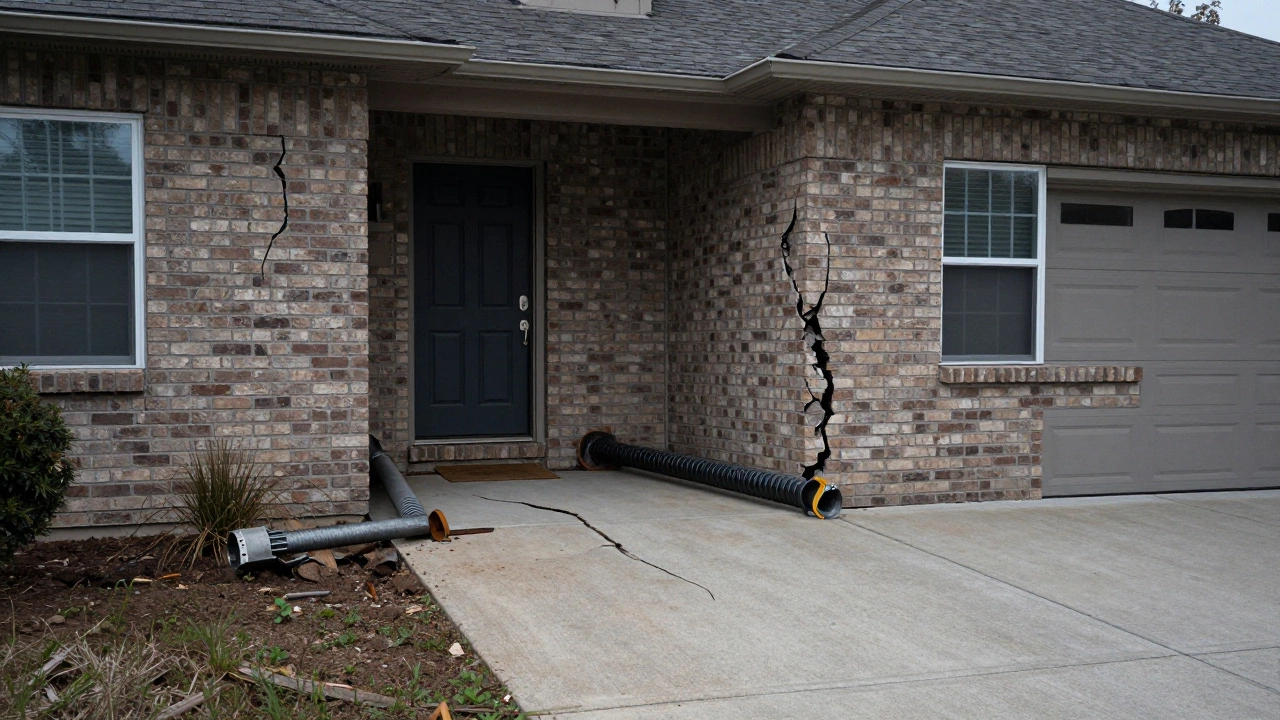
Minor cracks might only cost a few thousand dollars to seal, but serious structural issues require heavy machinery and specialized engineering. Methods like helical piers, slab jacking, or underpinning involve digging around your home and lifting it back into place. These projects often range from $10,000 to over $100,000 depending on the severity. Why is it so expensive? Because you cannot cut corners. If the foundation is not fixed correctly, the rest of the house-including walls, floors, and windows-will continue to fail.
Signs of foundation trouble include doors that stick for no reason, uneven floors, and wide cracks in exterior masonry. Catching these early can save you tens of thousands of dollars. Ignoring them turns a manageable repair into a catastrophic structural failure.
Roof Replacement: Weatherproofing Your Biggest Asset
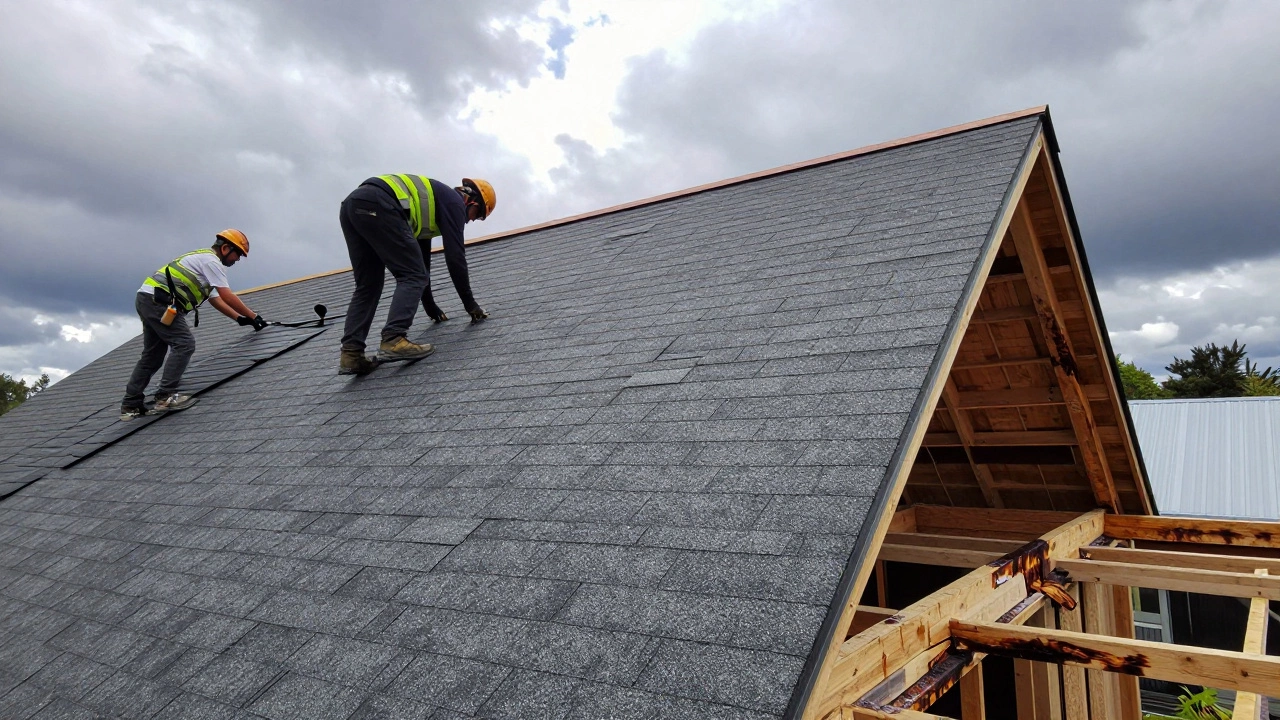
Next on the list of pricey repairs is the roof. A full roof replacement is rarely a DIY job and involves significant material and labor costs. In New Zealand, where weather conditions can be harsh, roofs take a beating from wind, rain, and UV exposure. When shingles or tiles fail, water intrusion can lead to secondary damage like mold and rot, compounding the cost.
A standard asphalt shingle roof replacement might cost between $8,000 and $15,000 for an average-sized home. However, if you opt for more durable materials like metal or tile, or if your roof has a complex design with multiple valleys and chimneys, prices can easily exceed $30,000. The cost spikes further if the underlying decking (the wood beneath the shingles) is rotten and needs replacing. This is why regular inspections are crucial; fixing a small leak is cheap, but replacing a rotted roof structure is not.
Plumbing Emergencies: Hidden Costs Behind Walls
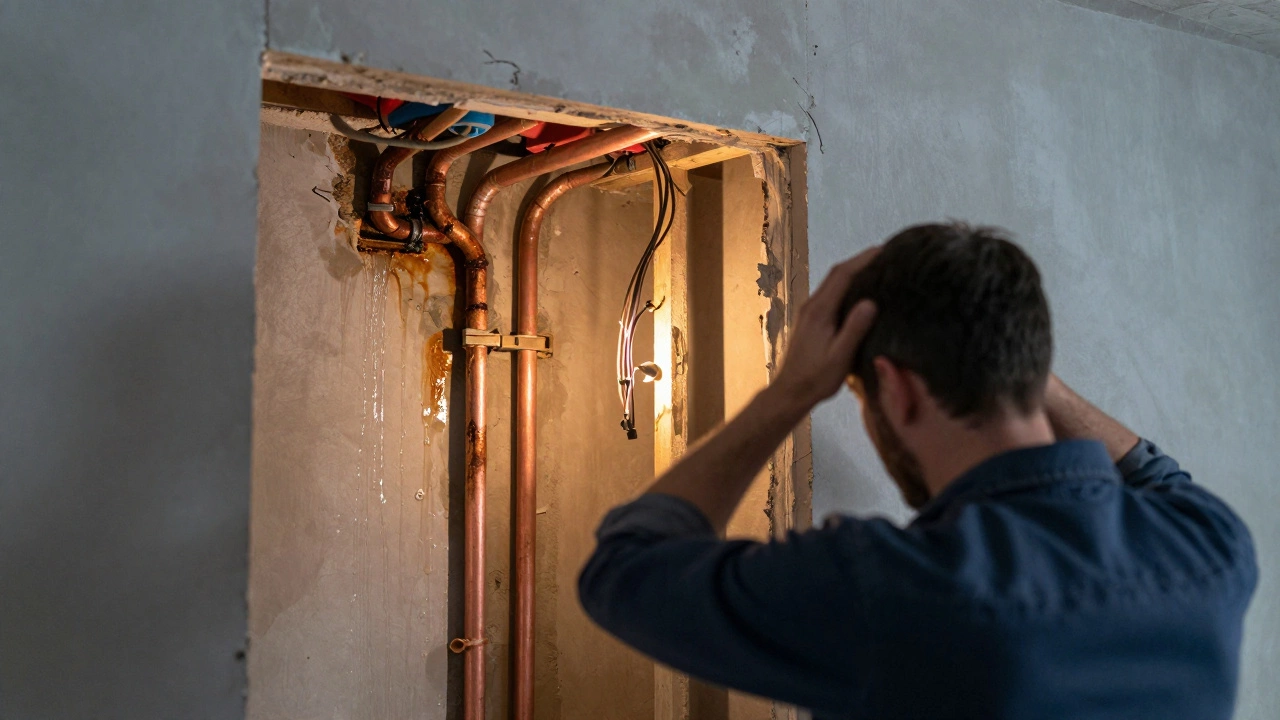
Plumbing problems are deceptive because they are often hidden behind walls or under slabs. A minor drip might seem harmless, but a burst pipe or a failing sewer line can devastate your finances. Sewer line repairs, in particular, are notoriously expensive. If the main line connecting your house to the city sewer is damaged by tree roots or age, excavators may need to dig up your yard to access it.
Trenchless sewer line repair technology has made this process less invasive, but it remains costly, typically ranging from $5,000 to $15,000. Inside the house, repiping an older home with copper or PEX tubing involves opening up walls and ceilings, then finishing them afterward. This dual cost of plumbing work plus drywall and painting restoration pushes total bills high. Always address running toilets and slow drains immediately; they are warning signs of larger, pricier issues.
HVAC Systems: The Heart of Home Comfort
Your heating, ventilation, and air conditioning (HVAC) system is essential for comfort, especially in regions with variable temperatures. When a central air conditioner or furnace dies, you aren't just paying for the unit; you are paying for installation, ductwork modifications, and electrical updates. A new high-efficiency HVAC system can cost between $7,000 and $15,000 installed.
The complexity arises from the need for precise sizing and airflow calculations. An improperly sized unit wastes energy and fails to maintain comfort. Additionally, if your ductwork is old or leaking, sealing or replacing it adds another layer of cost. Regular filter changes and annual tune-ups can extend the life of these systems by years, delaying this inevitable large expense.
Kitchen Remodeling vs. Repair: Blurring the Lines
While not always classified as a "repair," kitchen failures often force homeowners into full remodels, which are among the most expensive home improvement projects. If cabinets are water-damaged, countertops are cracked, or appliances fail simultaneously, the cumulative cost rivals that of structural repairs. A mid-range kitchen renovation averages $25,000 to $50,000. Unlike a roof or foundation, however, kitchen upgrades offer aesthetic and functional benefits that can increase home value, making the investment somewhat more palatable.
Electrical System Overhauls: Safety First
Older homes often have outdated electrical systems that cannot handle modern power demands. Knob-and-tube wiring or aluminum wiring poses fire hazards and requires complete rewiring. This involves stripping walls down to the studs, installing new circuits, and upgrading the service panel. Costs vary widely based on home size but generally start at $10,000 and can go much higher. Electrical work is strictly regulated, meaning you must hire licensed electricians, driving up labor costs. Never attempt to patch an old electrical system; the risk of fire makes full replacement the only safe option.
| Repair Type | Average Cost Range (NZD) | Primary Cause | Prevention Tip |
|---|---|---|---|
| Foundation Repair | $10,000 - $100,000+ | Soil shifting, poor drainage | Ensure proper grading around home |
| Roof Replacement | $8,000 - $30,000+ | Age, storm damage | Annual inspection, clear gutters |
| Sewer Line Repair | $5,000 - $15,000 | Tree roots, corrosion | Video inspection every 2-3 years |
| HVAC Replacement | $7,000 - $15,000 | Age, wear and tear | Change filters quarterly |
| Full Rewiring | $10,000 - $30,000 | Outdated code, fire hazard | Upgrade during renovations |
How to Mitigate High Repair Costs
Knowing what breaks the bank allows you to act proactively. Start with a comprehensive home inspection if you are buying, or schedule one if you own an older property. Create a maintenance fund specifically for these big-ticket items. Small preventive measures, like cleaning gutters, checking for leaks, and servicing your HVAC, pay for themselves many times over. Insurance can help, but policies often exclude gradual wear and tear, so prevention is your best financial shield.
Is foundation repair covered by home insurance?
Generally, no. Most home insurance policies cover sudden events like earthquakes or landslides but exclude gradual settling or soil movement. Check your policy for specific endorsements that might cover foundation issues caused by insured perils.
How do I know if my foundation is failing?
Look for horizontal cracks in basement walls, doors and windows that stick or won't close properly, and gaps between walls and ceilings. Uneven floors are also a strong indicator. If you notice these, consult a structural engineer immediately.
Can I delay roof replacement to save money?
You can patch minor leaks temporarily, but delaying a full replacement risks water damage to insulation, drywall, and electrical systems. The cost of repairing interior water damage often exceeds the savings from postponing the roof job.
What is the most common expensive plumbing repair?
Sewer line blockages or breaks are among the most costly. Tree roots invading pipes or collapsed sections require excavation or trenchless repair technology, both of which are labor-intensive and expensive.
How often should I inspect my HVAC system?
Annually is recommended. Have a professional check refrigerant levels, clean coils, and inspect electrical components before the peak heating or cooling season. This prevents breakdowns during extreme weather when demand and prices are highest.