Home Renovation ROI Calculator
Estimate Your Return
Projected Outcome
Quick Comparison
Average industry standards
Picture this: You’ve got $30,000 burning a hole in your pocket. You want to boost your home’s resale value, but you’re staring at a blank wall wondering where that money will actually go. Do you build a fancy sunroom? Install a home theater? Or maybe just fix up the place people judge first?
The answer isn’t what most people think. While it’s tempting to chase luxury features like wine cellars or indoor pools, real estate data tells a different story. The rooms that add the most value are rarely the ones we daydream about building. They are the functional spaces every buyer needs.
If you are looking to maximize your return on investment, you need to look past aesthetics and focus on utility. This guide breaks down exactly which rooms drive up property prices, why they matter, and how much you should actually spend to get your money back when you sell.
The Kitchen: The Undisputed King of ROI
It is no secret that the kitchen is the heart of the home, but it is also the engine of its market value. When buyers walk through a house, their eyes go straight to the kitchen. It is the first thing they check, often before they even see the backyard.
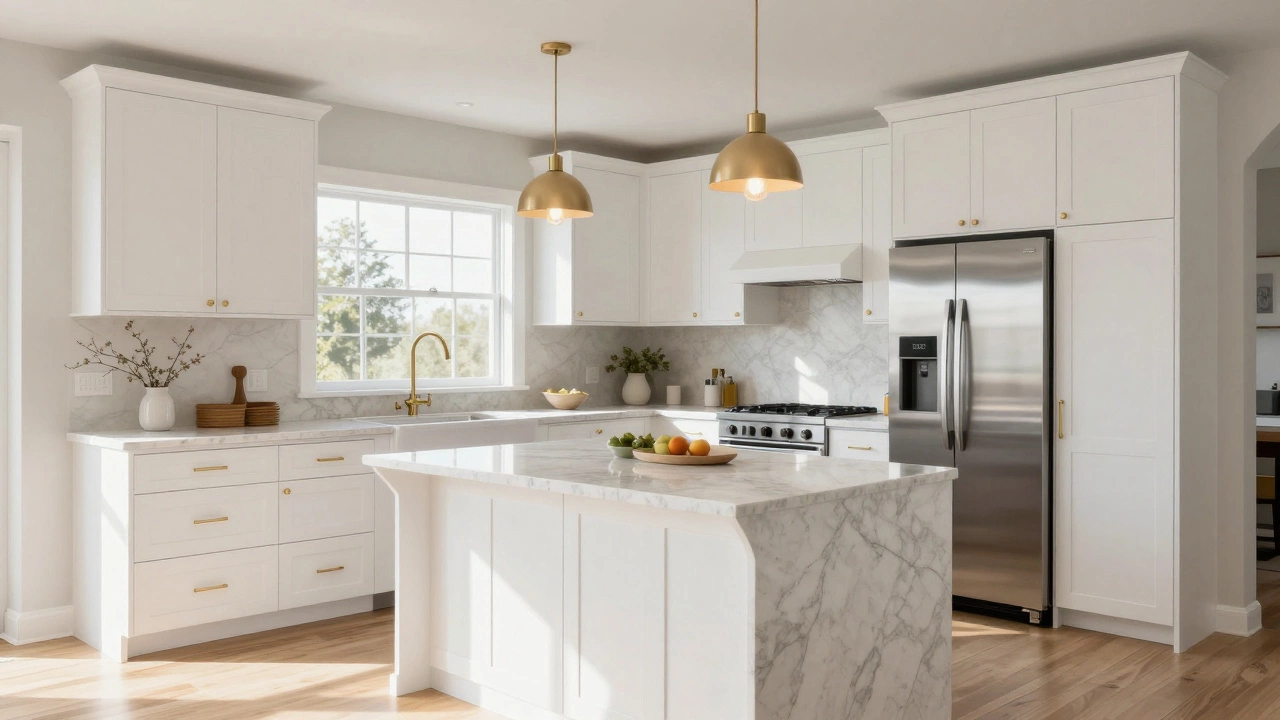
Kitchen Renovation is the process of updating or replacing kitchen fixtures, cabinets, and appliances to improve functionality and aesthetic appeal. According to industry standards from sources like the National Association of Realtors (NAR), minor kitchen updates consistently rank among the top renovations for recouping costs.
You do not need to gut the entire room to see a return. In fact, over-improving can hurt you. If your neighbors have standard kitchens and you install a $50,000 custom chef’s suite, you likely won’t get that extra money back. Instead, focus on these high-impact changes:
- Cabinet Refacing: Replacing doors and hardware is far cheaper than new cabinets but looks almost as good.
- Countertops: Quartz or granite surfaces signal durability and modern style.
- Appliances: Stainless steel sets are the current standard. Mismatched or old appliances drag down perceived value.
- Lighting: Under-cabinet lighting and pendant lights make the space feel larger and more inviting.
A mid-range kitchen remodel typically recoups about 60% to 70% of its cost in resale value. That might sound low compared to some other projects, but because the base value of a kitchen is so high, the absolute dollar amount added to your home price is usually the largest of any single room.
Bathrooms: The Second Most Critical Space
If the kitchen is the brain, the bathroom is the pulse. Buyers are incredibly picky about bathrooms. A outdated tub-shower combo with yellowed grout can kill a deal faster than a slightly dated carpet.
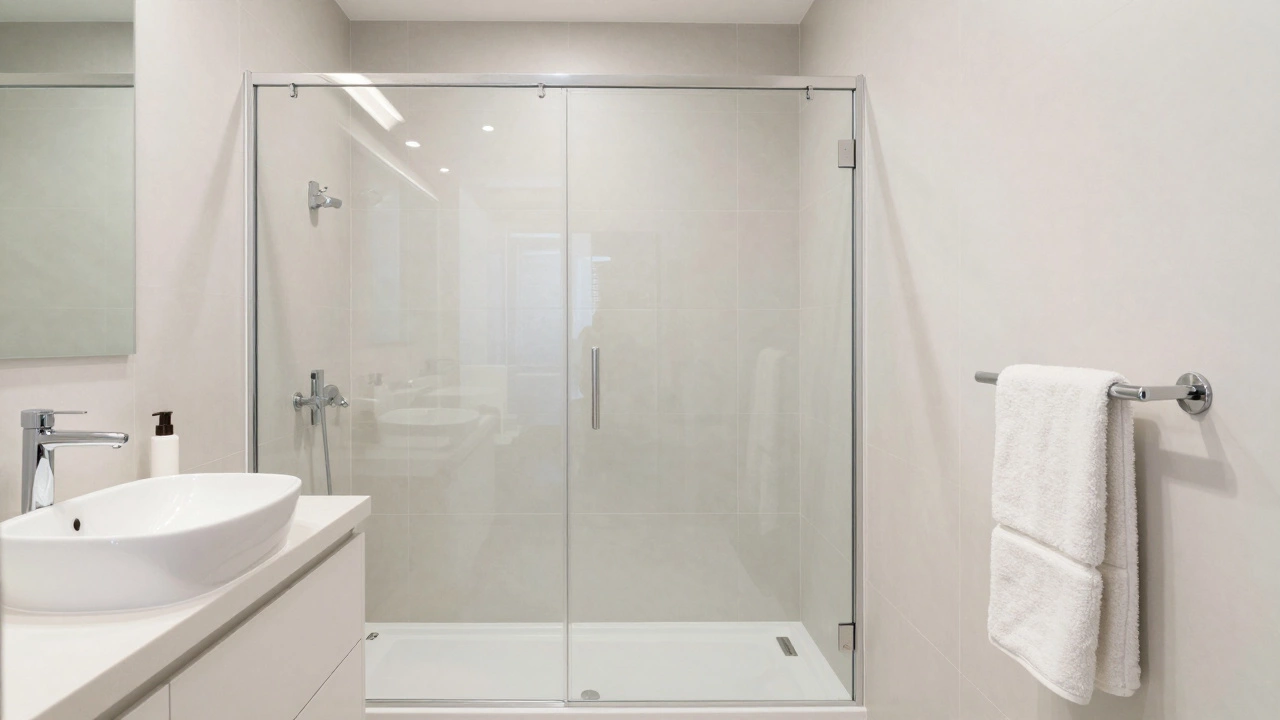
Bathroom Remodel is the upgrade of bathroom fixtures, tiling, and layout to enhance hygiene, comfort, and visual appeal. Unlike kitchens, bathrooms are smaller spaces, meaning you can achieve a dramatic transformation without spending a fortune.
Here is the golden rule for bathrooms: Keep it neutral. Avoid bold tile patterns or bright pink sinks unless you plan to live there forever. Buyers want a clean, spa-like feel that they can imagine themselves using.
The highest ROI comes from converting an old tub into a walk-in shower. This appeals to both younger couples and older buyers who worry about mobility. However, if you only have one bathroom in the house, keep the tub. Families with young children still need them.
A minor bathroom update-new vanity, faucet, mirror, and fresh paint-can recoup nearly 100% of its cost. Major additions, like adding a second bathroom to a three-bedroom home, can add significant value by increasing the home’s classification in the market. A two-bath home sells for significantly more than a one-bath home, period.
| Project Type | Average Cost | Resale Value Added | ROI Percentage |
|---|---|---|---|
| Minor Kitchen Update | $15,000 - $25,000 | $10,000 - $18,000 | 60-72% |
| Major Bathroom Remodel | $20,000 - $40,000 | $14,000 - $28,000 | 60-70% |
| Addition of Master Suite | $50,000+ | $30,000 - $40,000 | 60-80% |
| Garage Door Replacement | $3,500 - $5,000 | $3,000 - $4,500 | 90-98% |
The Garage: The Unsung Hero
Let’s talk about the garage. It doesn’t have nice tiles or a coffee station, but it is crucial. In many markets, especially in areas with harsh weather or security concerns, a detached or attached garage is non-negotiable for buyers.
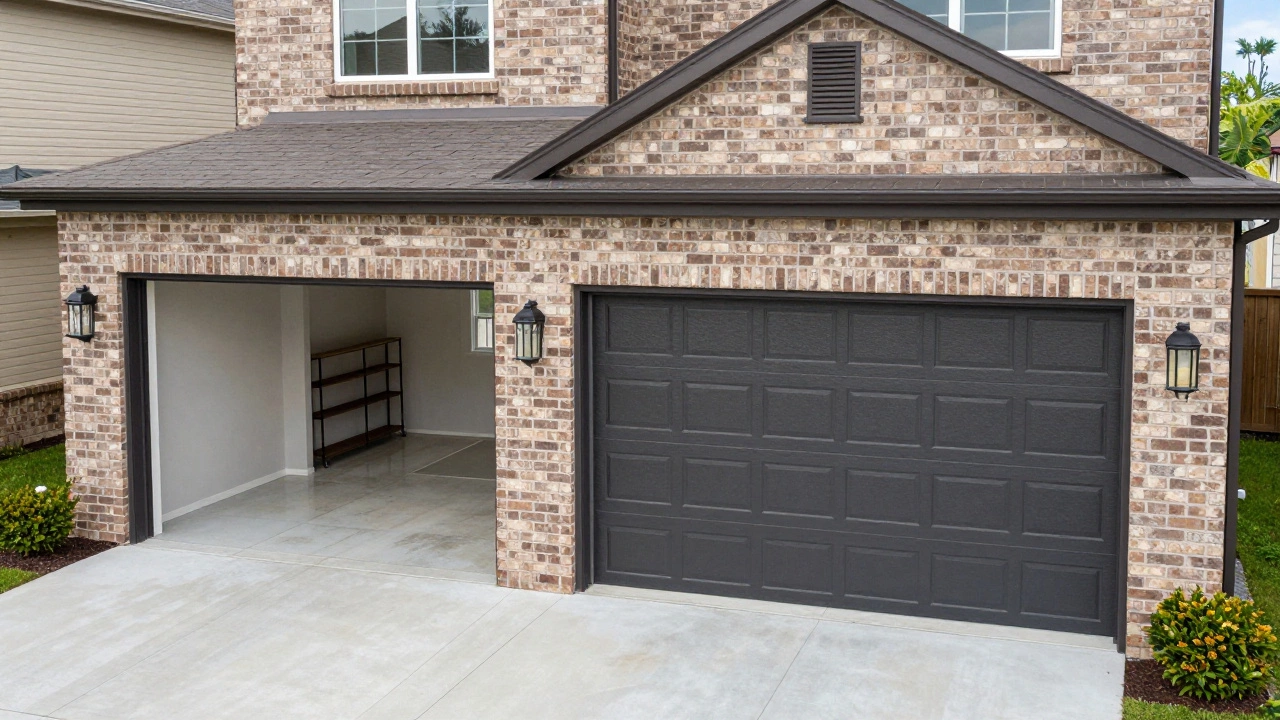
Adding a garage to a home that lacks one can increase property value by 10% to 20%. Even simply replacing an old, dented garage door can yield one of the highest returns on investment in all of home improvement. A new steel door improves curb appeal instantly and signals that the home is well-maintained.
If you already have a garage, consider finishing it. Not necessarily turning it into a living space, but organizing it with shelving and epoxy flooring. Buyers love a tidy garage; it suggests the rest of the house is organized too.
Bedrooms: Quantity Over Quality
When it comes to bedrooms, size matters less than count. Adding a fourth bedroom to a three-bedroom home can bump your property into a higher category. Suddenly, you are competing against four-bedroom houses instead of three-bedroom ones.
However, be careful with conversions. Turning a large master bedroom into two smaller bedrooms often backfires. Buyers prefer spacious primary suites. The sweet spot is usually creating a dedicated office or nursery from existing square footage, rather than splitting sleeping quarters.
Ensuite bathrooms are another key factor. A bedroom with its own private bath adds significant value. If you can plumb a secondary bathroom next to a secondary bedroom, you create a "jack-and-jill" setup that appeals to families.
Rooms That Don't Pay Off
Not every addition makes financial sense. Here are the rooms and features that often fail to recoup their costs:
- Swimming Pools: In some warm climates, pools add value. In colder regions, they are seen as a liability due to maintenance costs and safety risks.
- Home Theaters: Unless you are selling to a niche audience, a dedicated media room is often viewed as wasted square footage. Buyers would rather have a flexible den or office.
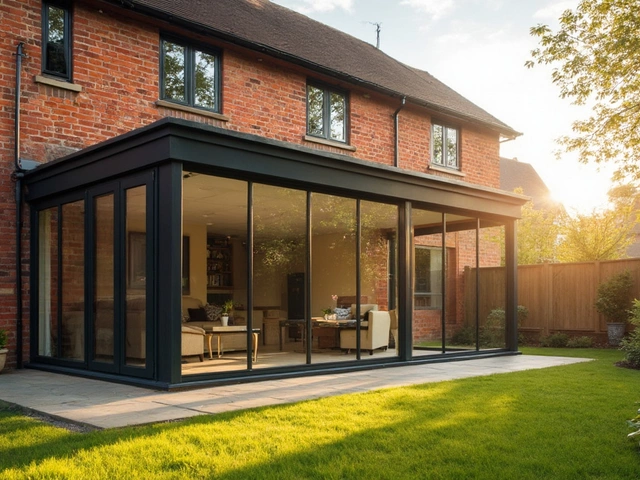
- Sunrooms: These can be tricky. If the sunroom is not insulated and conditioned, it adds little livable square footage. If it is fully finished, it may not appraise for its full cost.
- Custom Features: Anything highly personalized, like a built-in bar for a specific hobby or unusual color schemes, limits your buyer pool.
Location and Market Context
Your location dictates everything. What works in Auckland, New Zealand, might not work in rural Texas. In dense urban areas, outdoor space and efficient layouts trump massive kitchens. In suburban family zones, multiple bathrooms and garages are king.
Always research recent sales in your neighborhood. Look at homes that sold in the last six months. Did the one with the renovated kitchen sell for more? Was the extra half-bathroom the deciding factor? Local real estate agents can provide comparative market analysis (CMA) reports that show exactly what features drove prices up in your specific street.
How to Decide Where to Spend
Before you pick up a hammer, ask yourself these questions:
- Who is my likely buyer? Young professionals care about open plans and tech-ready spaces. Families need storage and multiple bathrooms.
- Is my home over-improved? Never be the most expensive house on the block. Your improvements should match or slightly exceed the norm for your area.
- Will I stay here? If you plan to live in the home for five years or more, prioritize your personal enjoyment over pure ROI. You will enjoy the new kitchen every day, regardless of whether you get 100% of the cost back.
Remember, the goal is not just to add value, but to make the home sellable. A neutral, updated, and functional home sells faster. Speed of sale is itself a form of value preservation.
Does adding a bedroom increase home value more than renovating a kitchen?
It depends on your current layout. If you have two bedrooms and add a third, you move into a higher market category, which can significantly boost value. However, a kitchen renovation has a broader appeal and typically offers a more consistent return across different buyer types. For most homes, a kitchen update is the safer bet for maximizing overall value.
Is it worth adding a bathroom to a home that already has two?
Yes, especially if it creates a third full bathroom. Homes with three bathrooms are highly desirable for families. The cost of plumbing and construction is high, but the increase in marketability and potential sale price often justifies the expense, particularly in larger homes.
What is the best low-cost improvement to increase home value?
Fresh paint is the most cost-effective way to refresh a home. Neutral colors like off-white or light gray make spaces feel larger and cleaner. Additionally, deep cleaning carpets, fixing minor repairs like leaky faucets, and improving landscaping can significantly boost curb appeal without breaking the bank.
Do smart home features add value?
Smart thermostats, doorbells, and locks are increasingly expected by buyers. They don't always add direct dollar-for-dollar value, but they make the home more attractive and competitive. High-end smart systems integrated into the wiring can add value, but standalone devices are often seen as bonuses rather than major value drivers.
Should I finish my basement to increase value?
Finishing a basement can add significant livable square footage, which increases value. However, the ROI is generally lower than above-ground renovations. Ensure the space is dry, well-insulated, and has proper egress windows. A versatile space like a family room or home office tends to attract more buyers than a specialized game room.