Window Treatment Recommendation Tool
Not sure if drapes are the right choice for your room? Answer a few questions to find the best window treatment alternative based on space, maintenance, and style needs.
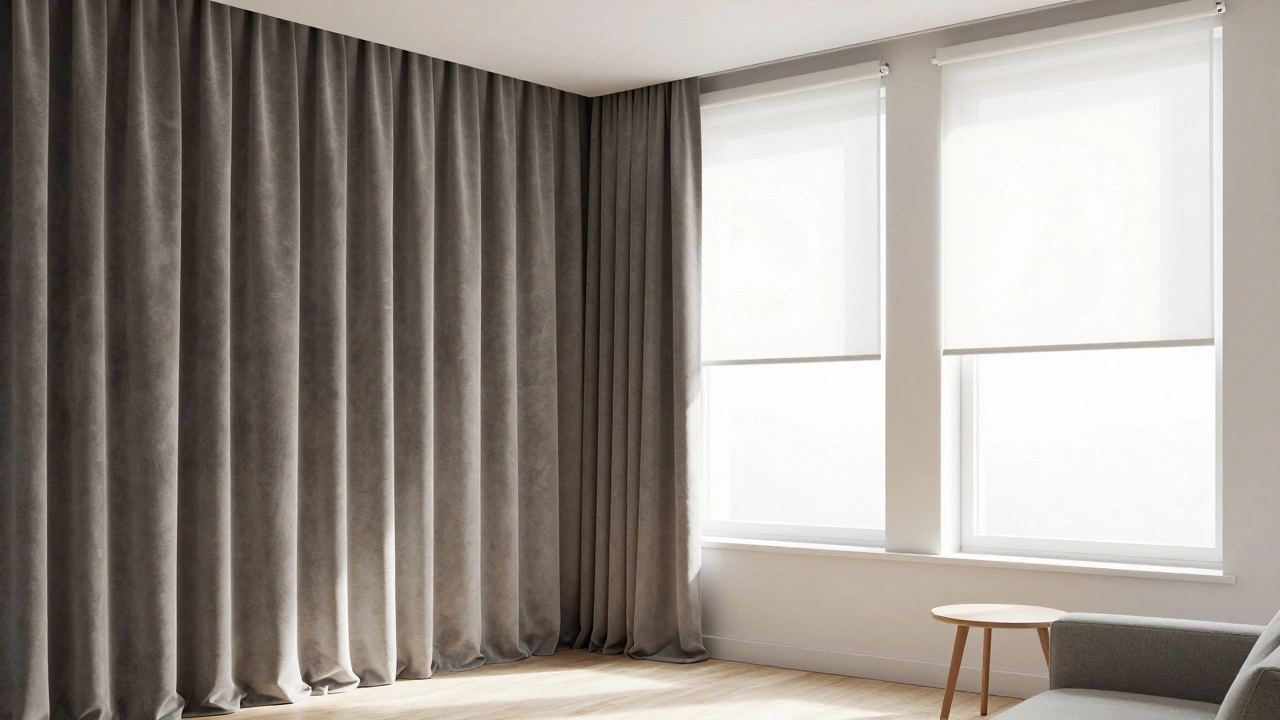
There is a moment in every home renovation when you stand in front of a bare window and feel the pressure to hang something. The default answer for most people is drapes. They look soft, they add color, and they seem like the standard finish for a living room. But here is the thing about drapes: they are not always the right tool for the job. In fact, using heavy fabric panels where they don’t belong can make your rooms feel smaller, messier, and harder to maintain.
If you have ever struggled with dusting thick velvet folds or tried to open a curtain that got stuck behind a radiator, you know the frustration. Windows are functional parts of your house. They let light in, keep the weather out, and provide privacy. Your window treatment should support those functions, not fight against them. Sometimes, the best way to decorate a window is to choose a solution that gets out of the way entirely.
The Space Problem: Small Rooms and Low Ceilings
Drapes take up physical space. When you pull them closed, they stack on either side of the window frame. This "stacking width" can be significant, especially if you are using full-length, lined curtains. In a small bedroom or a narrow hallway, this bulk eats into your usable floor space and wall area. If you have furniture placed directly next to the window, thick drapes can block access or make the room feel cramped.
Consider a small apartment bathroom or a tight kitchen nook. Hanging floor-to-ceiling drapes here often looks disproportionate. The visual weight of the fabric overwhelms the scale of the room. Instead, roller shades are compact window coverings that roll up into a tight cylinder at the top of the window frame. They disappear almost completely when open, preserving the sense of space and letting maximum light flood in. For small areas, less is definitely more. You want a treatment that frames the window without dominating the room.
Maintenance Nightmares: Pets, Kids, and Dust
Fabric attracts everything. Pet hair clings to textured weaves. Dust settles in the pleats. Spills from coffee cups or juice boxes soak into the material, leaving stains that are difficult to remove unless the curtains are dry-cleanable. If you live with dogs, cats, or young children, traditional drapes can become a high-maintenance chore rather than a decorative feature.
In these households, durability and ease of cleaning are paramount. Vinyl blinds are waterproof and wipeable window coverings made from synthetic materials. A quick pass with a damp cloth removes pet dander, mud splatters, and sticky fingerprints. There is no need to take them down, measure them for a cleaner, or worry about shrinkage after washing. If your priority is a low-effort lifestyle, hard surfaces beat soft fabrics every time. You spend less time cleaning your windows and more time enjoying your home.
Moisture and Mold: Bathrooms and Kitchens
Humidity is the enemy of natural fibers. In bathrooms and kitchens, steam from showers and cooking builds up quickly. Cotton, linen, and even some synthetic blends absorb moisture over time. This leads to mildew smells, discoloration, and eventually mold growth inside the fabric layers. It is not just an aesthetic issue; it is a health concern. Breathing in spores from damp curtains can trigger allergies and respiratory problems.
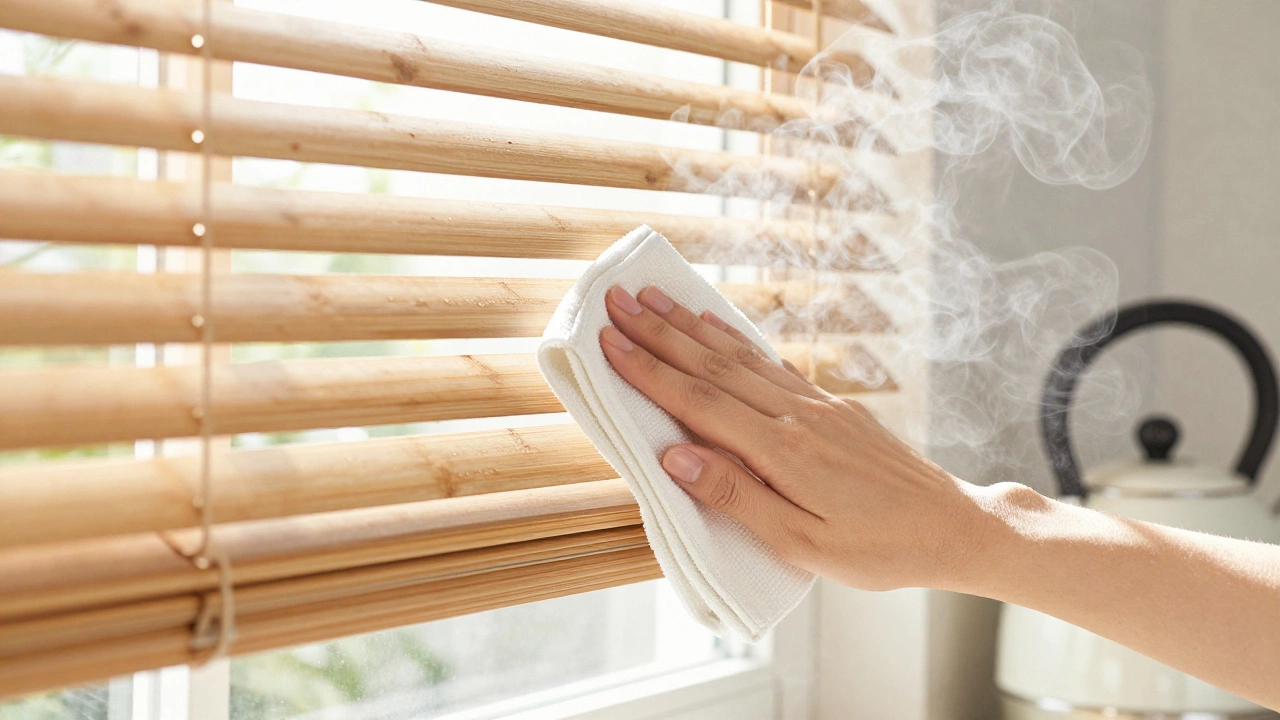
Kitchen windows also face grease and oil particles that settle on surfaces. Fabric traps these oils, making the curtains smell stale over months. For wet areas, you need materials that resist water and repel grime. Bamboo shades are natural fiber window coverings that offer breathability and moisture resistance. Alternatively, aluminum blinds or waterproof roller shades are ideal choices. They do not absorb humidity, so they stay fresh and clean with minimal effort. Do not risk your indoor air quality by hanging porous fabrics in high-moisture zones.
Precision Light Control: Home Offices and Media Rooms
Drapes are great for blocking light, but they are imprecise. When you close them, you usually get total darkness or partial light depending on how tightly they fit. You cannot easily adjust the angle of sunlight coming through. For a home office where glare on your computer screen ruins productivity, or a media room where ambient light washes out your TV picture, this lack of control is a major drawback.
You need a solution that lets you fine-tune the amount of light entering the room. Honeycomb shades are cellular window treatments that trap air for insulation and allow adjustable light filtering. These shades have slats that can be tilted to direct light upward toward the ceiling, reducing glare while maintaining brightness. Some models offer dual-layer options, combining a sheer layer for daytime privacy with an opaque layer for nighttime blackout. This level of precision is impossible to achieve with standard curtain rods and fabric panels.
Architectural Constraints: Awkward Shapes and Hardware Limits
Not all windows are perfect rectangles. Arched windows, circular portholes, and angled dormer windows pose significant challenges for drapes. Standard curtain rods are straight. Trying to hang fabric on a curved rod often results in uneven folding and poor coverage. The hardware required to support heavy drapes on unusual shapes can be expensive and difficult to install securely.
In these cases, custom-fitted rigid treatments work better. Plantation shutters are interior window coverings with fixed frames and adjustable louvers, offering a permanent architectural look. Shutters can be built to match any shape, including arches and triangles. They mount directly to the window frame, providing a clean, integrated look that enhances the architecture rather than hiding it. For bay windows, individual shutter panels or cellular shades designed for bays ensure each section operates smoothly without tangling cords or bunching fabric.
Security and Visibility: Ground Floor Privacy
If you live on the ground floor, privacy is a constant concern. Drapes must be fully closed to prevent neighbors or passersby from seeing inside. However, closing heavy drapes blocks your view of the outside world too. You end up choosing between privacy and natural light. This trade-off is annoying, especially during the day when you want to enjoy the garden without feeling exposed.
Sheer curtains help, but they still reveal silhouettes. A better option is a treatment that allows you to see out while preventing others from seeing in. Smart glass film is a transparent adhesive layer applied to windows that switches between clear and opaque states. While expensive, it offers ultimate flexibility. More commonly, Vertical blinds are slatted window coverings that rotate to control visibility and light direction. Vertical blinds allow you to tilt the slats so you can look out through the gaps, but anyone outside sees only the solid edge of the slat. This one-way visibility provides peace of mind without sacrificing daylight.
Minimalist Aesthetics: Modern Design Preferences
Modern and minimalist interior design emphasizes clean lines, open spaces, and uncluttered surfaces. Drapes, with their swags, tails, and ornate tie-backs, introduce visual noise. They break up the continuity of walls and draw attention to themselves rather than the view or the art in the room. If your style leans toward Scandinavian simplicity or industrial chic, bulky curtains can clash with the aesthetic.
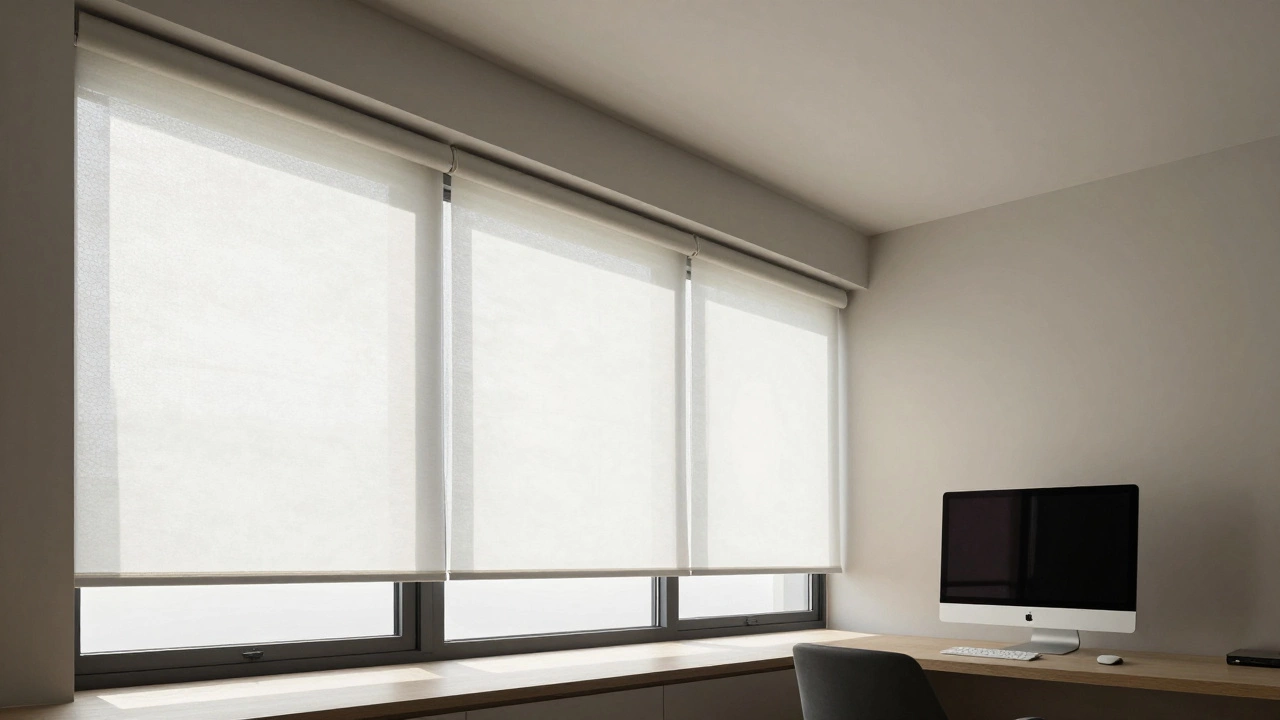
In these designs, the goal is to make the window treatment disappear. Roman shades are fabric window coverings that fold neatly into horizontal pleats when raised. When lifted, Roman shades create a flat, streamlined panel at the top of the window. They offer the softness of fabric without the volume of drapes. For an even sleeker look, motorized roller shades operate silently and sit flush against the wall, maintaining the minimalist vibe while providing function.
| Scenario | Best Alternative to Drapes | Key Benefit |
|---|---|---|
| Small Rooms | Roller Shades | Saves stacking space, maximizes light |
| Pets/Kids | Vinyl Blinds | Easy to wipe clean, durable |
| Bathrooms | Aluminum Blinds | Mold-resistant, waterproof |
| Home Office | Honeycomb Shades | Precise glare control, insulation |
| Arched Windows | Custom Shutters | Fits irregular shapes perfectly |
| Ground Floor | Vertical Blinds | One-way visibility for privacy |
Energy Efficiency Considerations
While thermal-lined drapes do provide some insulation, they are not the most efficient option. Gaps around the sides and top allow cold air to seep in during winter and heat to escape. For homeowners focused on energy bills and sustainability, specialized insulating treatments perform better. Cellular shades trap air in their honeycomb structure, creating a barrier that reduces heat transfer significantly. Studies show they can cut energy costs by up to 20% compared to single-pane windows with no treatment. If you live in a region with extreme temperatures, like Auckland’s variable climate, investing in high-performance shades pays off over time.
Conclusion: Choose Function Over Tradition
Drapes are beautiful, but they are not universal. By understanding the specific needs of each room-whether it is space, maintenance, moisture, light control, or style-you can select window treatments that truly enhance your living experience. Don't let tradition dictate your decor. Look at your windows as opportunities to solve problems, not just places to hang fabric. The right choice makes your home more comfortable, easier to clean, and visually balanced.
Are drapes bad for rental properties?
Drapes can be problematic in rentals because they require drilling holes for rods and may leave marks on walls. Tenants often prefer tension rods or clip-on shades that are easy to install and remove without damaging the property. Blinds and shades are generally safer choices for landlords and renters alike.
Can I use drapes in a nursery?
It is not recommended to use corded drapes in nurseries due to strangulation hazards. Even cordless versions can be tricky to manage. Motorized shades or simple roller blinds operated by a wand are safer options. They eliminate loose cords and provide easy light control for nap times.
Do blinds increase home value?
Yes, modern window treatments like plantation shutters or high-quality cellular shades can increase home value. Buyers appreciate updated, functional features that reduce maintenance and improve energy efficiency. Outdated or damaged drapes can detract from a home's appeal, so replacing them with neutral, durable alternatives is a smart investment.
How do I clean vinyl blinds?
To clean vinyl blinds, first vacuum them with a brush attachment to remove loose dust. Then, dip a microfiber cloth in warm soapy water, wring it out thoroughly, and wipe each slat. Finish with a dry cloth to prevent water spots. Avoid harsh chemicals that could degrade the plastic over time.
What is the best window treatment for large sliding doors?
For large sliding glass doors, vertical blinds or panel tracks are excellent choices. They handle the wide span well and allow for easy opening and closing. Cellular shades are also popular for their insulation properties and clean look. Avoid heavy drapes as they can obstruct the door mechanism and gather dust near the floor.