Foundation DIY Feasibility Checker
Answer the questions below to assess whether your foundation issue is a simple cosmetic fix or a structural problem requiring professional help.
You spot a hairline crack in your basement wall or notice the front door sticking just a little bit more than it used to. Your heart sinks. The first thought is usually panic, followed immediately by a second, slightly less terrifying thought: "Can I fix this myself?" It’s a valid question. Foundation repairs are notoriously expensive, often running into the thousands of dollars before you’ve even hired a contractor. But here’s the hard truth: most significant foundation issues are not DIY projects. They are structural engineering problems disguised as cosmetic annoyances.
However, that doesn’t mean you’re powerless. There is a distinct line between maintenance you can handle and repairs that require heavy machinery and professional expertise. If you live in an area with expansive clay soils, like parts of Auckland, New Zealand, or similar climates elsewhere, ground movement is constant. Understanding what your foundation is actually telling you is the first step to saving money-or avoiding a catastrophic mistake.
The Critical Difference Between Cosmetic and Structural Cracks
Before you buy a tube of sealant from the hardware store, you need to diagnose the problem. Not all cracks are created equal. Some are harmless shrinkage; others are screaming for help.
Cosmetic cracks are typically vertical or diagonal hairline fractures in the plaster or brick veneer. They happen when materials dry out and shrink during curing or due to minor seasonal temperature changes. These rarely affect the structural integrity of the building. You can usually patch these yourself without worrying about your house collapsing next winter.
On the other hand, structural cracks look different. They are often horizontal, stair-step patterns in brickwork, or wider than 1/4 inch (6mm). If you see a crack that runs through multiple floors, or if doors and windows no longer close properly, you have movement. This indicates that the load-bearing capacity of the structure is compromised. Trying to fill a structural crack with caulk is like putting a band-aid on a broken leg-it looks better, but the bone is still misaligned.
| Issue Type | DIY Feasibility | Risk Level | Typical Solution |
|---|---|---|---|
| Minor Hairline Cracks | High | Low | Silicone or Polyurethane Sealant |
| Non-Structural Concrete Spalling | Medium | Low | Masonry Patch Compound |
| Active Water Leakage | Low | Medium | Epoxy Injection (if skilled) or Drainage Fixes |
| Settling/Sinking Slab | None | High | Piering or Mudjacking (Professional) |
| Horizontal Wall Bowing | None | Critical | Wall Anchors or Carbon Fiber Straps |
What You Can Actually Fix Yourself
If your assessment shows only minor issues, there are specific tasks where DIY makes sense. The goal here is prevention and surface-level protection, not lifting the house.
Sealing Minor Cracks: For cracks under 1/8 inch wide, you can use a flexible polyurethane sealant. Unlike rigid cement, which will crack again when the house moves slightly, polyurethane stretches. Clean the crack thoroughly with a wire brush and vacuum out the dust. Inject the sealant deeply using a caulking gun with a narrow nozzle. Smooth it off with a putty knife. This keeps water out, which is crucial because water expands when it freezes, widening cracks over time.
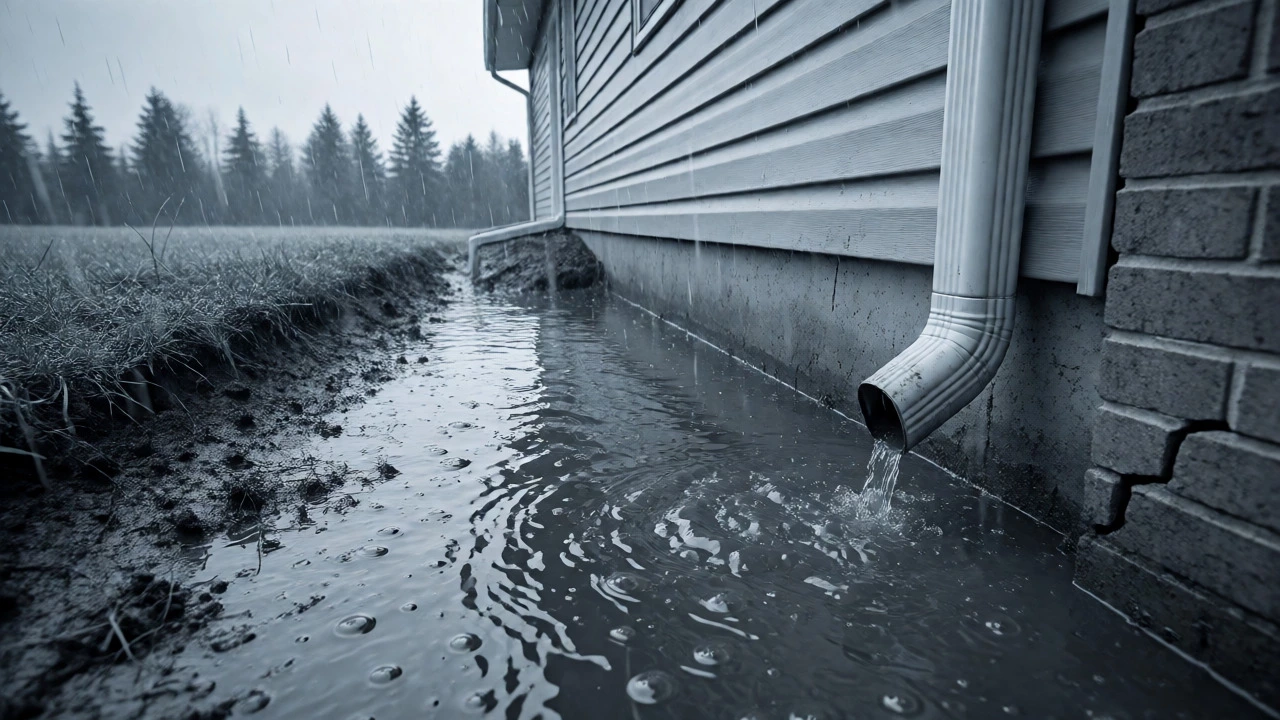
Improving Surface Drainage: Often, foundation trouble starts outside. If water pools near your walls, it saturates the soil, causing expansion or erosion. You can grade the soil around your home so it slopes away from the foundation at least 6 inches over the first 10 feet. Install downspout extensions to direct roof water at least 5 feet away from the base. This costs almost nothing but saves thousands in potential hydrostatic pressure damage later.
Replacing Mortar (Tuckpointing): If you have a brick foundation with crumbling mortar joints, you can repoint them. Chisel out loose mortar to a depth of about 3/4 inch. Mix a mortar blend that matches the original hardness-too hard, and it will crush the bricks instead of flexing. Pack it in firmly and tool it smooth. This restores the weatherproof barrier of the masonry.
The Dangers of DIY Structural Repairs
Why do experts hesitate when homeowners ask about doing major repairs themselves? It comes down to physics and liability. When a foundation settles, it doesn’t just drop straight down. It rotates, twists, and shifts unevenly. Correcting this requires precise force application.
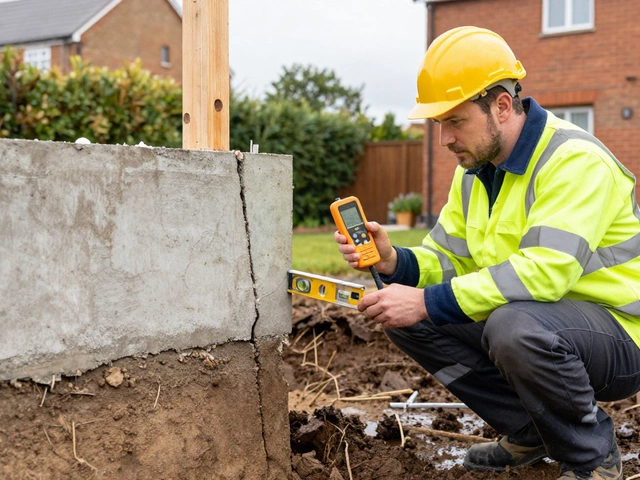
Consider epoxy injection. While you can buy kits, injecting epoxy into a live crack requires knowing whether the crack is active or dormant. If you inject a moving crack with rigid epoxy, the stress has nowhere to go. It will simply find another path, often cracking the concrete further away from your repair site. Professionals monitor these injections with strain gauges to ensure the bond holds against ongoing movement.
Then there’s the issue of hidden utilities. Digging around a foundation to install piers or improve drainage risks hitting gas lines, electrical conduits, or sewer pipes. In older homes, these may not be marked accurately. One wrong move with a shovel can result in a flooded basement or a gas leak. Furthermore, improper drainage work can redirect water toward your neighbor’s property, leading to legal disputes.
Insurance is another factor. Many homeowner policies cover sudden accidental damage but exclude gradual wear and tear or poor maintenance. If you attempt a DIY repair and it fails, leading to further damage, your insurer might deny the claim, arguing that the initial repair was negligent. A licensed contractor provides a warranty that transfers with the house, adding value and peace of mind.
When to Call a Pro Immediately
There are non-negotiable signs that you need to stop looking at YouTube tutorials and start calling engineers. If you see any of the following, your DIY window has closed.
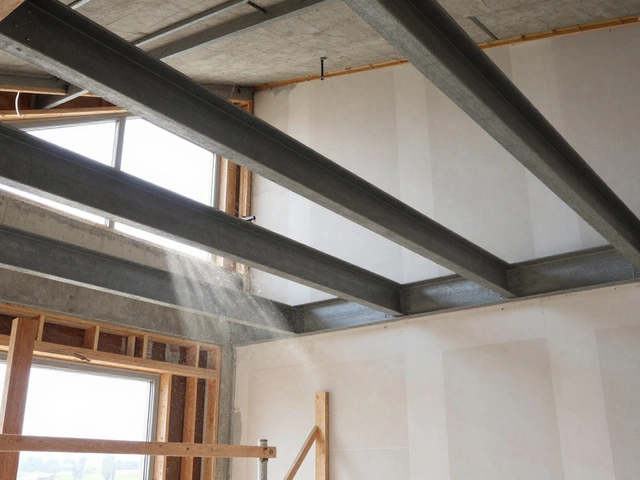
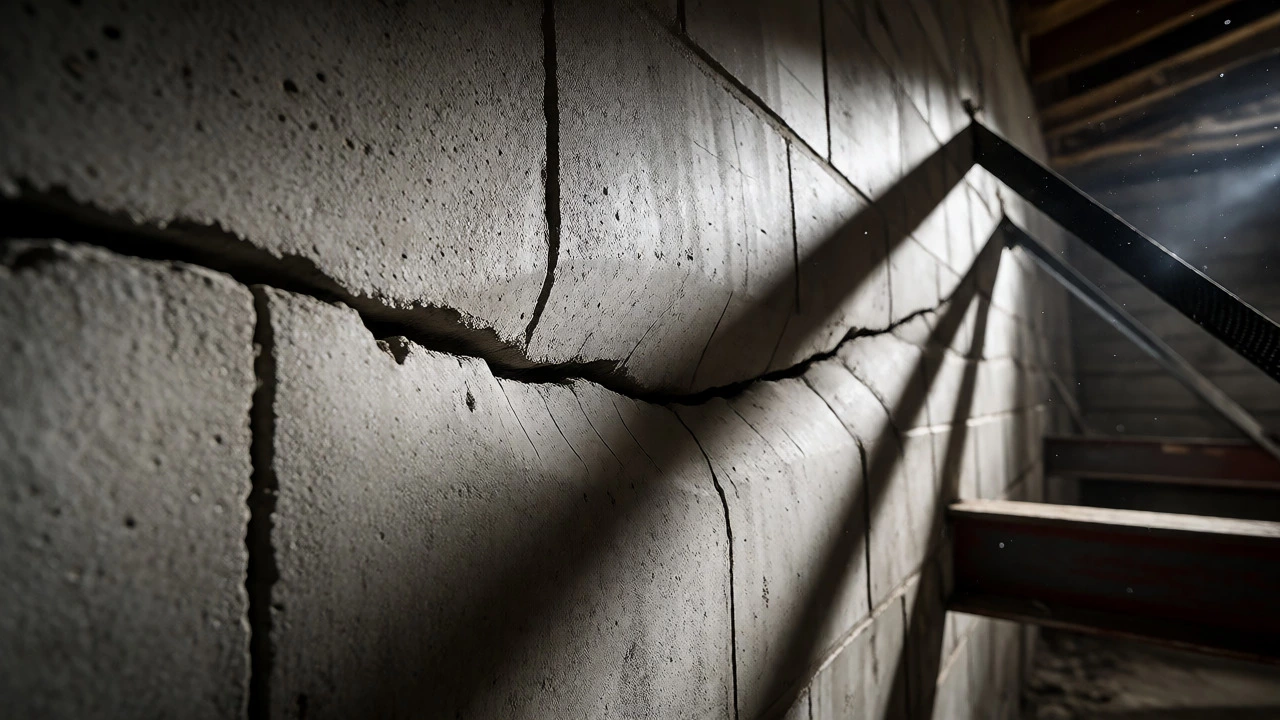
- Horizontal Cracks in Basement Walls: This is the hallmark of hydrostatic pressure pushing the wall inward. The wall is bowing. Left unchecked, it can collapse. This requires steel I-beams or carbon fiber straps installed by professionals.
- Stair-Step Cracks in Brick Veneer: Especially if they are wider than 1/4 inch. This indicates differential settlement-one part of the house is sinking faster than another.
- Gaps Around Window Frames: If the top of a window frame separates from the wall above it, the header has dropped. This means the floor joists or beams resting on the foundation have shifted.
- Floors Sloping Visibly: Place a marble on the floor. If it rolls consistently in one direction, you have a slope greater than 1 inch over 20 feet. This is significant settlement.
A Practical Approach to Decision Making
So, how do you decide? Treat your foundation like your health. Minor scratches get a bandage; broken bones get a cast. Here is a simple checklist to guide your next steps.
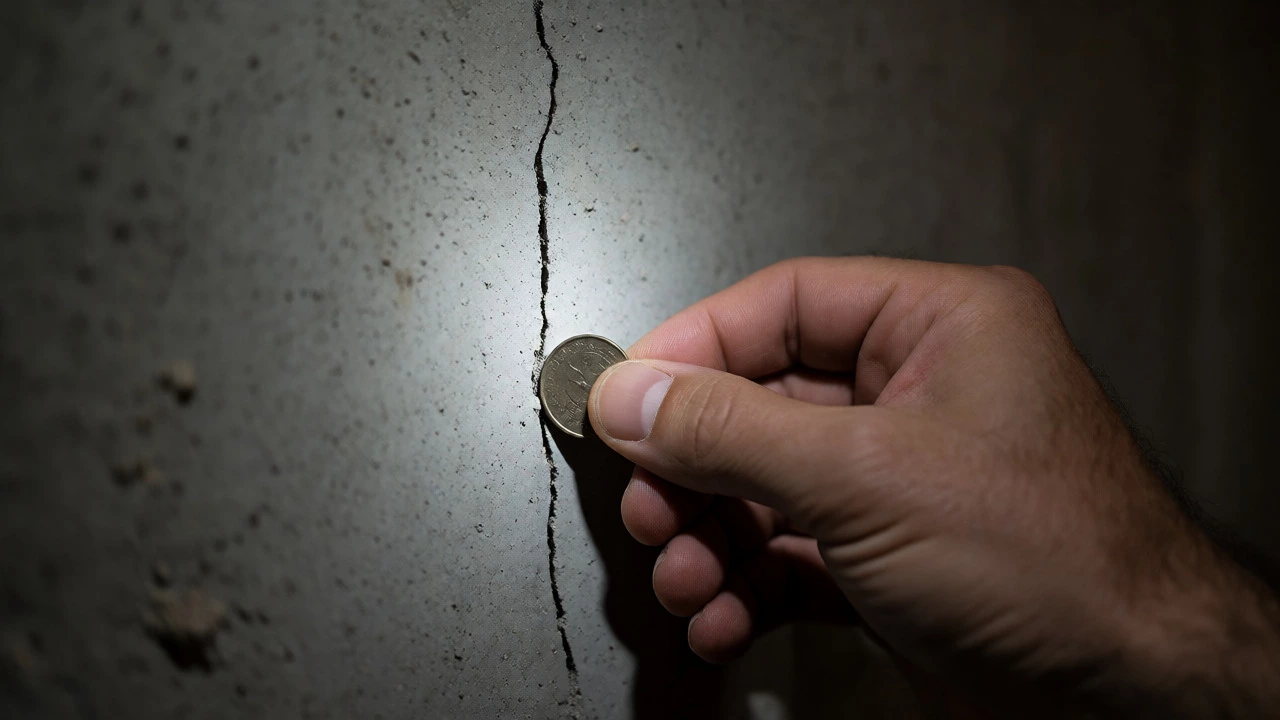
- Measure the Crack: Use a coin or a ruler. Under 1/8 inch? Likely cosmetic. Over 1/4 inch? Investigate deeper.
- Check for Activity: Tape a piece of glass or paper across the crack with tape at both ends. Wait two weeks. If the glass breaks or the paper tears, the crack is active. Do not patch active cracks with rigid materials.
- Inspect the Exterior: Walk the perimeter. Is the soil pulling away from the foundation? Are gutters overflowing? Fix these external factors first. Sometimes, fixing drainage solves the crack issue entirely.
- Consult a Specialist: If you are unsure, pay for a structural engineer’s inspection. It costs far less than a failed DIY project. They will tell you exactly what type of repair is needed and provide a report you can use to get quotes from contractors.
Remember, the goal isn’t just to hide the crack. It’s to stabilize the structure. If you try to lift a sunken corner of your house with hydraulic jacks and shims without proper support systems, you risk crushing the framing or creating new stress points. It’s tempting to think you can save $5,000 by renting equipment, but if you void your warranty or cause secondary damage, that savings evaporates quickly.
For most homeowners, the sweet spot is proactive maintenance. Keep the water away, seal the small stuff, and respect the big stuff. Your foundation is the literal ground beneath your feet; treating it with respect ensures everything above it stays standing.
How much does it cost to repair a foundation myself?
For minor cosmetic repairs like sealing hairline cracks, costs are low, typically $20-$50 for materials like polyurethane sealant and a caulking gun. However, attempting larger jobs like mudjacking or pier installation involves rental fees for pumps and mixers, plus material costs, which can range from $200 to $500 per section, excluding the steep learning curve and physical labor required.
Can I use regular cement to fill foundation cracks?
Generally, no. Regular cement is rigid and brittle. Foundations move seasonally due to temperature and moisture changes. Cement will crack again within months. Flexible products like polyurethane or silicone-based sealants are designed to stretch and compress with the foundation, providing a longer-lasting waterproof seal.
Does foundation repair add value to my home?
Yes, professionally done foundation repair adds significant value and marketability. Buyers are wary of structural issues. A documented history of professional repair with transferable warranties reassures inspectors and lenders, often preventing price reductions during negotiations. DIY repairs, unless visibly perfect and warranted, may raise red flags for buyers who fear hidden underlying issues.
How long do foundation repairs last?
Professional repairs using methods like helical piers or pressed pilings often come with lifetime warranties and can last the life of the structure. DIY patches with sealants may last 5-10 years depending on environmental conditions and the activity level of the crack. Proper drainage improvements, once implemented correctly, can last indefinitely.
Is it safe to live in a house with a cracked foundation?
Most houses with cracked foundations are safe to live in. Vertical hairline cracks are common and rarely pose safety risks. However, if you experience severe tilting, sticking doors/windows across multiple floors, or horizontal bowing walls, the structural integrity may be compromised, requiring immediate professional assessment to ensure safety.