Landscaping Quote Analyzer & Negotiation Simulator
Enter your total quote amount below to see how it breaks down according to industry standards. This helps you identify which parts of the bill are most open to negotiation (like materials) versus those that are fixed (like labor).
Negotiation Strategy Tip
You just got three quotes for your backyard renovation. One is $5,000, one is $8,500, and the third is $12,000. Your head spins. Do you pick the cheapest? The most expensive? Or do you call them back and try to talk down the price? Most homeowners freeze here. They either overpay out of fear or underpay and get shoddy work. But negotiating with a landscaper isn't about haggling like you're at a flea market. It's about understanding value, scope, and risk.
If you live in Auckland or anywhere else with a competitive trades market, knowing how to structure this conversation saves you thousands. It’s not about being cheap; it’s about being clear. Here is exactly how to approach the negotiation so you get the garden you want without getting burned.
Know What You Are Actually Buying
Before you even pick up the phone, you need to understand what makes up a landscaping quote. If you don’t know the components, you can’t negotiate them. A typical quote breaks down into labor, materials, equipment hire, and profit margin. Labor is usually the biggest chunk, often 40-60% of the total cost. Materials vary wildly depending on whether you’re planting native species or importing exotic trees.
Ask for an itemized quote. Not a lump sum. If a landscaper gives you a single number, ask them to break it down. Why? Because if you want to save money, you might be able to swap a specific material (like using local gravel instead of imported stone) or adjust the plant sizes. You can’t cut costs effectively if everything is hidden in one big number. This clarity also protects you from "scope creep," where small additions during the project blow the budget.
| Component | Estimated % of Total Cost | Negotiable? |
|---|---|---|
| Labor & Site Prep | 40-50% | Low (Fixed hourly/daily rates) |
| Hardscaping (Pavers, Walls) | 20-30% | Medium (Material choice matters) |
| Softscaping (Plants, Soil) | 15-25% | High (Size/species swaps) |
| Equipment Hire | 5-10% | Low (Standard rates) |
| Profit & Overhead | 10-15% | Medium (Volume discounts) |
Get Multiple Quotes, But Compare Apples to Apples
Never rely on a single quote. Get at least three. But here is the trap: comparing the bottom line is useless if the scopes differ. Quote A might include soil testing and drainage improvements. Quote B might assume the existing soil is fine. Quote C might use cheaper plants that look similar but die faster.
Create a spreadsheet. List every single task you discussed. Did they all agree to remove the old lawn? Did they all specify the same brand of pavers? If one quote is significantly lower, check what is missing. Often, the lowest bid skips site preparation or uses inferior materials. Conversely, the highest bid might include premium features you didn’t ask for. Once you normalize the scope, then you can see who is actually offering better value.
The Power of Timing and Flexibility
Landscaping is seasonal. In New Zealand, spring and early summer are peak times. Contractors are booked solid. If you schedule your project for mid-winter or late autumn, you have leverage. Contractors have gaps in their calendar. They’d rather have paid work than idle trucks. Mentioning flexibility with start dates can sometimes unlock a 5-10% discount.
Also, consider the "off-season" mindset. If you book in June for a September start, you’re giving them certainty. Certainty is valuable. Use it. Say something like, "I’m flexible on the start date between August and October. Is there any advantage to booking now for a later slot?" This signals you aren’t desperate, which changes the power dynamic.
Negotiating Scope vs. Price
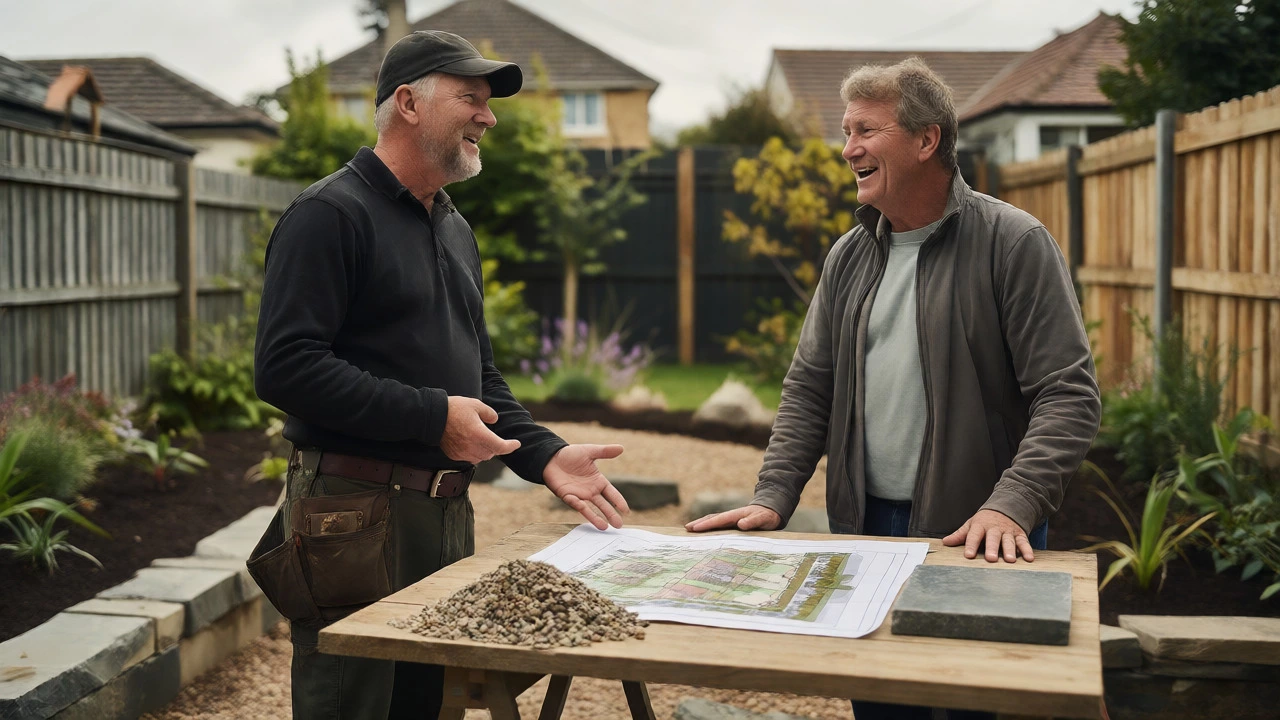
Here is a golden rule: Don’t just ask for a lower price. Ask for more value. If you tell a landscaper, "Can you do it for $1,000 less?", they might cut corners. They might skip fertilizing the soil or use smaller plants. Instead, say, "My budget is tight. Can we adjust the scope to fit within $X?"
This invites collaboration. They might suggest reducing the area of paving by two square meters or swapping large instant trees for younger ones that will grow in. These adjustments keep the quality high while lowering the cost. It’s a win-win. You stay in budget; they maintain their margins and reputation.
Payment Terms as a Negotiation Tool
Most landscapers want deposits upfront. Standard practice is 30-50% deposit, with progress payments, and a final payment upon completion. You can negotiate this. Offering a larger deposit (say, 60%) might incentivize them to prioritize your job or offer a slight discount because cash flow is king for small businesses.
Conversely, hold back a retention fee. Suggest paying 90% upon practical completion and the remaining 10% after a two-week inspection period. This ensures they come back to fix any snags, like uneven pavers or dead plants. It’s a small lever, but it keeps them accountable until the very end.

What Not to Say During Negotiations
Avoid saying, "The other guy was cheaper." Unless you have proof of identical scope, this sounds like bluffing. Tradespeople know their worth. If you insult their pricing without justification, they might walk away. Instead, focus on your constraints. "I love your portfolio, but my budget ceiling is $X. How close can we get to that?"
Also, avoid asking for freebies. "Can you throw in some extra flowers for free?" often annoys contractors. Everything has a cost. If you want extras, pay for them. It respects their time and materials.
Put It All in Writing
Verbal agreements disappear. Even friendly handshakes fade when the rain starts falling. Once you’ve negotiated the terms, get a contract. It doesn’t need to be complex, but it must list:
- Detailed scope of work (itemized).
- Total price and payment schedule.
- Start and estimated completion dates.
- Warranty details (especially for plants and hard structures).
- Liability insurance confirmation.
In New Zealand, check if they are registered with relevant industry bodies like Landscape Industries Association NZ (LIANZ). While not mandatory for all jobs, it’s a good sign of professionalism.
Final Thoughts on Building Relationships
Remember, landscaping is ongoing. You’ll likely need maintenance, pruning, or future upgrades. Treating your landscaper with respect and fairness pays dividends long-term. If you squeeze them too hard on the first job, they might deprioritize your service calls later. A fair deal builds trust. Trust leads to better service.
Negotiation isn’t adversarial. It’s a conversation about resources. Be clear about your needs, realistic about your budget, and respectful of their expertise. That’s how you get a beautiful garden without the headache.
Should I tip my landscaper after negotiation?
Tipping isn't standard in New Zealand for trade services, especially if you've already agreed on a fixed price. However, if they go above and beyond-like cleaning up meticulously or handling unexpected issues gracefully-a small gesture like buying lunch or a modest cash bonus ($50-$100) is appreciated. Never let tipping expectations cloud the initial price negotiation.
How much should I put down as a deposit?
A common range is 30% to 50%. Avoid paying more than 50% upfront unless it's for significant material purchases they need to make immediately. Paying too much upfront reduces your leverage if the project stalls. Always tie payments to milestones, such as 'site cleared,' 'hardscape laid,' and 'plants installed.'
What if the final bill is higher than the quote?
This happens due to unforeseen issues, like poor soil quality or hidden roots. A reputable landscaper will notify you before spending extra money. Ensure your contract includes a clause requiring written approval for any changes exceeding a certain amount (e.g., $200). If they proceed without approval, you generally aren't liable for those extra costs.
Do landscapers offer warranties?
Yes, typically. Hard structures (walls, paths) often have a 1-2 year workmanship warranty. Plants usually have a shorter guarantee, often 3-6 months, provided you follow watering schedules. Clarify these terms in writing. Some nurseries provide plant guarantees separately, so ask your landscaper to coordinate this for you.
Is it better to hire a landscape designer or a landscaper?
For complex projects involving layout changes, drainage, or custom features, a designer adds value by planning efficiently, potentially saving money on mistakes. For straightforward tasks like mowing, mulching, or planting pre-planned beds, a landscaper (installer) is sufficient. Many firms offer both services. Ask if the quote includes design fees or if they install from plans you provide.