Wallpaper Decision & Longevity Calculator
Is wallpaper worth it? Use this tool to compare costs over time and check if your project fits the criteria for a timeless, high-value update.
Check all that apply to your current situation:
Select checkboxes to see your recommendation.
🎨 Pattern Risk Assessment
Based on current 2026 trends and longevity data from the article.
| Style | Risk Level | Best For |
|---|---|---|
| Grasscloth/Texture | Very Low | Living Rooms, Bedrooms |
| Art Deco Geometric | Low | Offices, Entryways |
| Murals/Landscapes | Low | Feature Walls |
| Maximalist Florals | Medium | Powder Rooms, Dining |
| Novelty Prints | High | Kids' Rooms, Studios |
You’re standing in a hardware store aisle, staring at a roll of bold, floral wallpaper that costs more than your weekly groceries. You remember the 1980s-your aunt’s kitchen covered in beige geometric patterns that screamed "dated." So you ask yourself: Is wallpaper too trendy? Will it look like a mistake in five years, or is this actually a smart design move?
Here’s the truth: Wallpaper isn’t just back; it’s evolved. The stigma of the "landlord special" peel-and-stick disasters from college dorms is fading. In 2026, we’re seeing a shift toward permanent, high-quality installations that act as art rather than just covering. But yes, some choices are risky. Some will age like fine wine, while others will look like you forgot to update your style since 2015.
The Shift from Covering Up to Showing Off
For decades, paint was the safe bet. It’s cheap, easy to change, and hides sins. Wallpaper, conversely, was seen as a commitment issue. If you got bored, removing it was a nightmare of steaming and scraping. That changed with modern adhesives and digital printing technologies. Today, digital wallpaper allows for custom designs, photo murals, and intricate patterns that were previously impossible to mass-produce affordably.
This technological leap has changed the intent behind the purchase. People aren’t buying wallpaper to hide bad drywall anymore. They’re buying it to create a focal point. Think of it less as "covering walls" and more as "installing fabric on your house." This mindset shift is why designers are recommending it even in minimalist homes. A single accent wall in a living room can replace three pieces of expensive furniture if done right.
Why Some Trends Feel Temporary (And Others Don’t)
Not all wallpaper is created equal. The reason people worry about it being "too trendy" usually stems from specific pattern types that spike in popularity and then crash hard. Let’s break down what’s happening in the current market.
| Style Category | Trend Status (2026) | Longevity Risk | Best Use Case |
|---|---|---|---|
| Maximalist Florals | High Popularity | Medium | Powder rooms, dining rooms |
| Geometric Art Deco | Stable Classic | Low | Home offices, entryways |
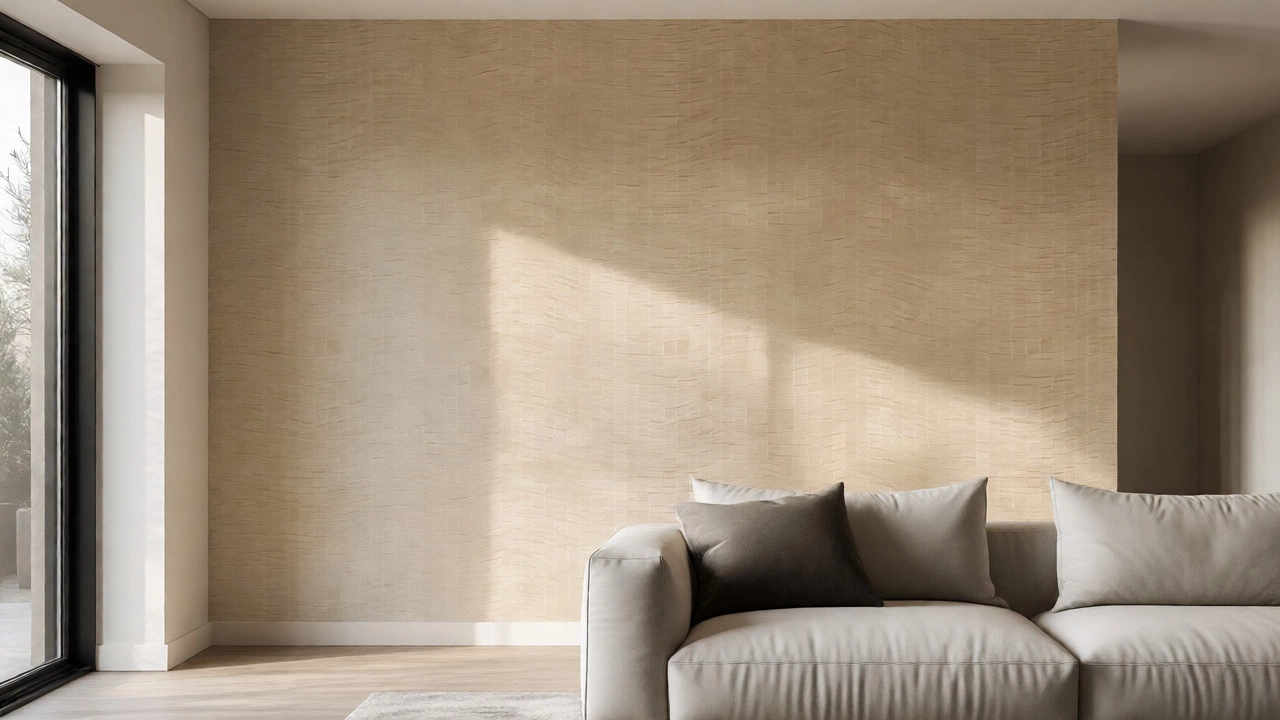
| Textured Grasscloth | Rising | Very Low | Living rooms, bedrooms |
| Novelty Prints | Niche/Fading | High | Kids' rooms, creative studios |
| Murals & Landscapes | Growing | Low | Feature walls, large spaces |
Notice the difference between "Maximalist Florals" and "Textured Grasscloth." Florals are currently having a moment because of the broader cultural push against sterile minimalism. But they are loud. If you cover an entire bedroom in giant hibiscus flowers, you might hate it after two years. Grasscloth, however, adds texture without shouting. It feels organic and timeless. When you choose wallpaper, you have to decide if you want a statement piece or a backdrop.
The "Trendy" Trap: What to Avoid
If you’re worried about dating your home, avoid these three common pitfalls that make wallpaper look cheap or temporary.
- Overly Literal Themes: Avoid wallpapers that depict exactly what the room is for. Fish in the bathroom, clouds in the nursery, coffee beans in the kitchen. These feel like themed restaurants, not homes. Choose abstract interpretations instead.
- Low-Contrast Muddiness: Many cheap wallpapers use muddy color palettes that disappear under artificial lighting. Good wallpaper should have depth. If it looks flat in the store, it will look worse at home.
- Ignoring Scale: A small print in a huge room looks busy. A huge print in a tiny closet looks claustrophobic. Always tape a sample to the wall and view it from across the room before committing.
I recently helped a client in Auckland who wanted to redo her hallway. She picked a trendy, bright yellow geometric pattern. On the sample sheet, it looked chic. On the long, narrow hallway wall, it induced anxiety. We switched to a subtle, textured neutral with a slight metallic sheen. It felt expensive, calm, and didn’t scream "I followed a TikTok trend."
Where Wallpaper Actually Makes Sense
So, where does wallpaper fit in a modern home? It’s not about doing every wall. It’s about strategic placement. Here are the spots where wallpaper consistently adds value without looking like a fad.
The Powder Room
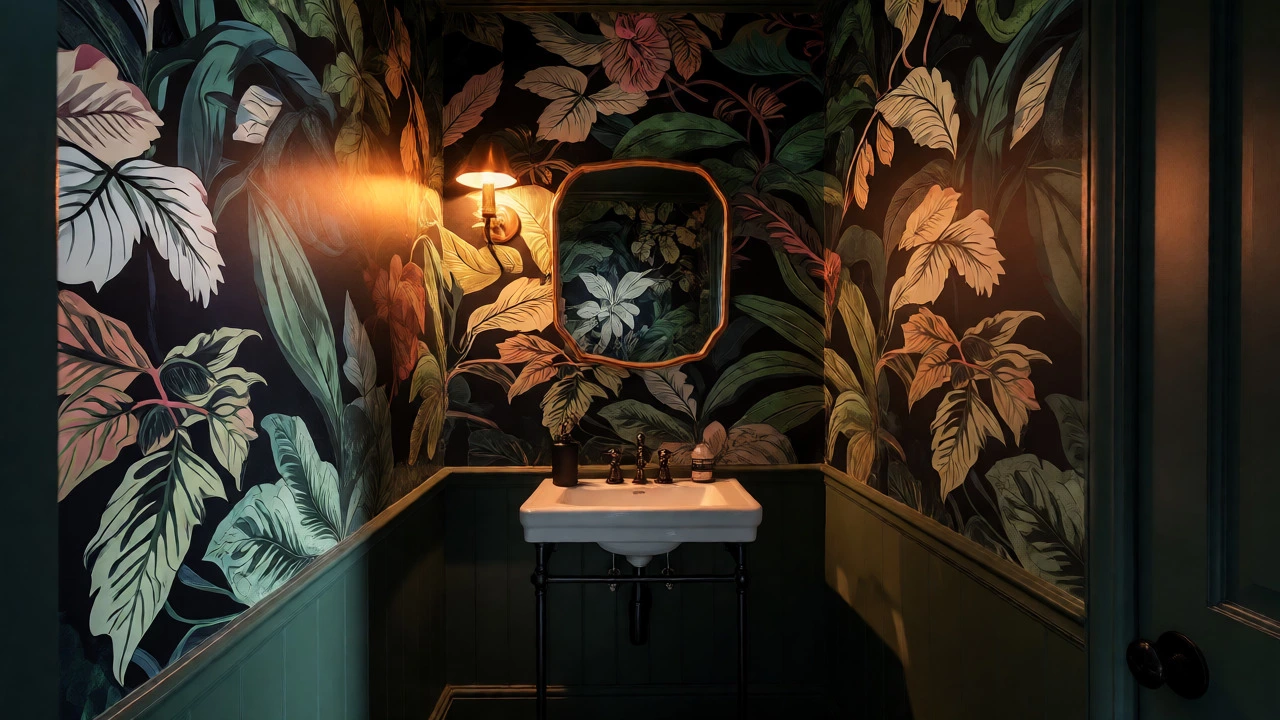
This is the classic exception to the rule. Because powder rooms are small and used infrequently, you can go wild here. A bold dark botanical print creates drama in a space that would otherwise be forgotten. Guests only see it for a few minutes, so the risk of boredom is low. Plus, the moisture-resistant vinyl options available today handle humidity better than they did ten years ago.
The Headboard Wall
In bedrooms, painting a headboard area or installing wallpaper behind the bed frame anchors the room. It replaces the need for a bulky wooden headboard. A soft, muted mural or a delicate branch pattern adds softness. This technique works well in rental properties too, if you use high-quality removable adhesive that doesn’t damage the plaster.
Inside Bookcases and Cabinets
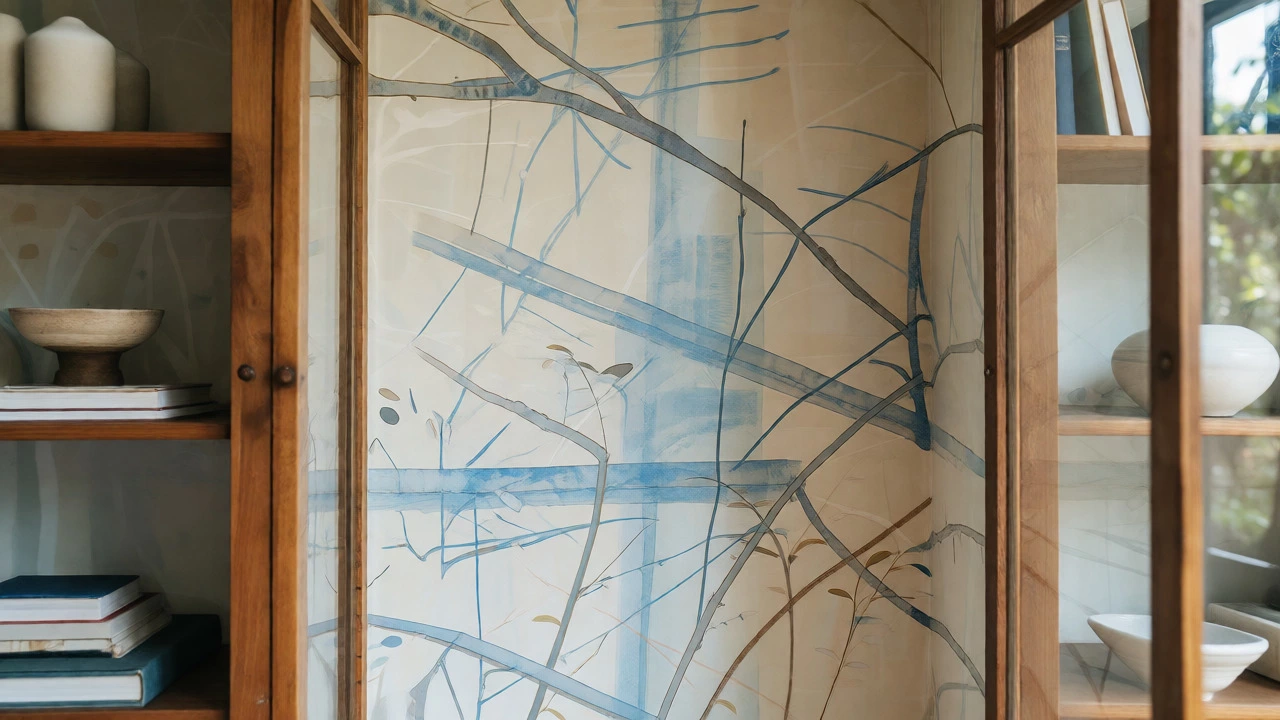
This is my favorite trick for adding personality without major commitment. Line the back of open shelving or the inside doors of glass-front cabinets with wallpaper. It turns storage into display. When you look through the glass, you see a curated background rather than empty space. It’s a low-risk way to test a pattern you love but wouldn’t dare put on a main wall.
Cost vs. Value: Is It Worth It?
Let’s talk numbers. Paint is cheap. A gallon covers 400 square feet and costs around $50-$80. Wallpaper costs significantly more per square foot. For a standard 10x10 room, you might spend $300-$600 on materials alone, plus installation labor if you hire a pro.
But consider the durability. High-quality vinyl or non-woven wallpaper lasts 10-15 years. Paint needs touching up every 3-5 years. If you factor in the cost of repainting over a decade, wallpaper often breaks even or comes out ahead. More importantly, real estate agents report that unique, well-executed design features help homes stand out in saturated markets. A bland white box is forgettable. A home with character sells faster.
How to Decide If It’s Right For You
Still on the fence? Run through this quick checklist. If you check more than two boxes, wallpaper is likely a good choice for you.
- Do you own your home, or do you have permission to alter walls permanently?
- Are you tired of the same neutral palette everyone else uses?
- Do you have a specific architectural feature (like a fireplace or alcove) that needs emphasis?
- Are you willing to invest time in proper surface preparation?
- Do you prefer textures and patterns over solid colors?
If you answered no to most of these, stick to paint. Wallpaper requires patience. You cannot rush the hanging process. Bubbles, misaligned seams, and peeling edges happen when you cut corners. If you’re a DIYer, start with a small project like a closet or a half-wall before tackling a whole living room.
Final Thoughts: Balance is Key
Wallpaper isn’t too trendy-it’s too misunderstood. The fear of it looking dated comes from poor execution, not the medium itself. By choosing timeless patterns, respecting scale, and using it strategically, you create a home that feels intentional. It’s not about following the crowd; it’s about expressing taste. And frankly, in a world of identical gray-box houses, having a little personality on your walls is the best trend of all.
Does wallpaper lower home resale value?
Generally, no, if it’s tasteful and removable. Bold, niche patterns might deter some buyers, but high-quality, neutral, or classic designs can increase perceived value by showing care and attention to detail. Always ensure it’s professionally installed or easily reversible.
Is wallpaper cheaper than painting?
Upfront, wallpaper is more expensive. However, over a 10-year period, it can be comparable because it lasts longer and requires less maintenance than frequent repainting. Consider it an investment in durability and aesthetics rather than a short-term fix.
Can I use wallpaper in a bathroom?
Yes, but you must use vinyl-coated or washable wallpaper designed for high-humidity areas. Ensure proper ventilation to prevent mold growth behind the paper. Non-woven papers are also breathable and resistant to moisture, making them suitable for bathrooms.
How do I remove wallpaper without damaging walls?
Use a scoring tool to break the surface, apply warm water with vinegar or a commercial remover, let it soak, and scrape gently. For newer, non-pasted papers, pulling from a corner often works cleanly. Always test a small patch first.
What is the most timeless wallpaper pattern?
Grasscloth, simple stripes, and small-scale damask are considered timeless. They add texture and interest without relying on specific color trends or novel motifs. These styles blend well with various furniture eras and remain elegant over decades.