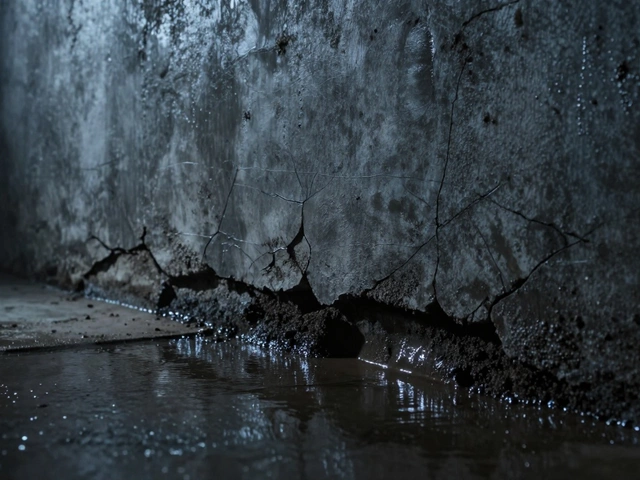
Inside vs Outside Foundation Repair: What You Need to Know
When your foundation starts showing cracks or shifting, the big question isn’t just if you need repair—it’s inside foundation repair, a method that addresses structural issues from within the home, typically through interior drainage, crack injection, or wall reinforcement or outside foundation repair, a more invasive approach that involves excavating around the home to fix water drainage, install footings, or apply waterproofing from the exterior. These aren’t just two options—they’re two different strategies for two different problems. One targets symptoms, the other targets causes.
Most people assume exterior work is always better because it stops water before it gets in. But that’s not always true. If your house sits on clay soil that swells with rain, the pressure pushing against your walls might be coming from the outside—but if your gutters are clogged or your yard slopes toward the house, fixing the drainage outside won’t help if the cracks inside are already letting moisture in. On the flip side, interior repairs like epoxy injections or carbon fiber strips can stop a crack from spreading fast, but they won’t stop water from seeping through. That’s why you need to know what’s really causing the damage. Is it settling? Poor drainage? Tree roots? A failed footing? The answer decides whether you need a shovel or a syringe.
Many homeowners get pushed toward expensive exterior work because it sounds more thorough. But a 2023 study by the Foundation Repair Association found that 68% of foundation issues in UK homes were solved with interior methods alone—especially when the problem was minor to moderate cracking, uneven floors, or drywall splits. Exterior repairs often cost 2–3 times more, require weeks of disruption, and sometimes aren’t even needed. You don’t need to dig up your garden if your sump pump is broken. You don’t need to regrade your whole yard if your downspouts are just two feet too short.
What matters most is diagnosis. A good inspector will look at the pattern of cracks—thin vertical lines near windows? That’s usually settling. Wide horizontal cracks? That’s soil pressure. Stair-step cracks in brick? That’s foundation movement. They’ll check your drainage, your soil type, and whether your house is on a slope. Then they’ll tell you what actually needs fixing—not what sounds impressive.
And here’s the thing: you can’t fix a foundation problem by just patching it. Whether you go inside or out, you’re dealing with a system. Water, soil, structure, and time all interact. A crack that looks small today might mean your footer is failing in five years. That’s why some repairs come with lifetime warranties—and others don’t. The best solutions match the cause, not the cost.
Below, you’ll find real stories from people who’ve been through this. Some fixed their basement walls with carbon fiber and saved thousands. Others spent six figures on excavation only to find their real problem was a broken pipe. You’ll see what works, what doesn’t, and what most contractors won’t tell you until you’ve already signed the contract.
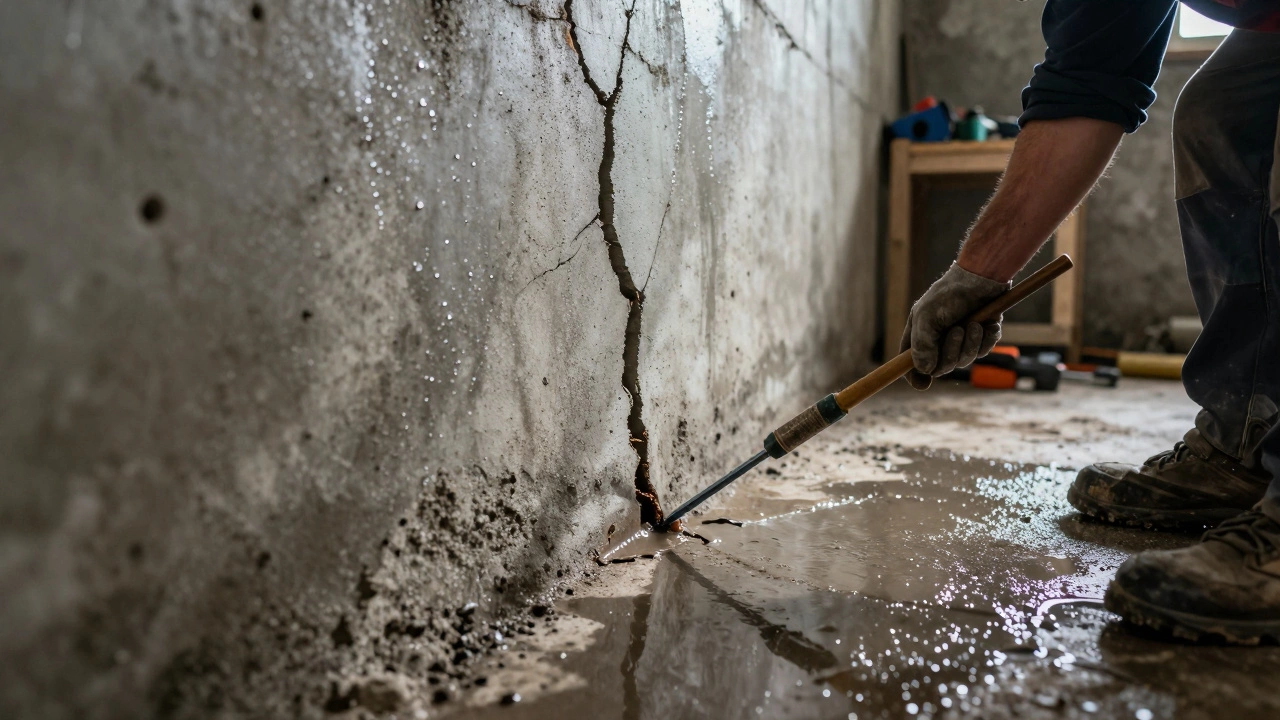
Is It Better to Fix Foundation Crack from Inside or Outside?
Learn whether fixing a foundation crack from inside or outside is the right choice for your home. Understand costs, long-term results, and when to call a professional.