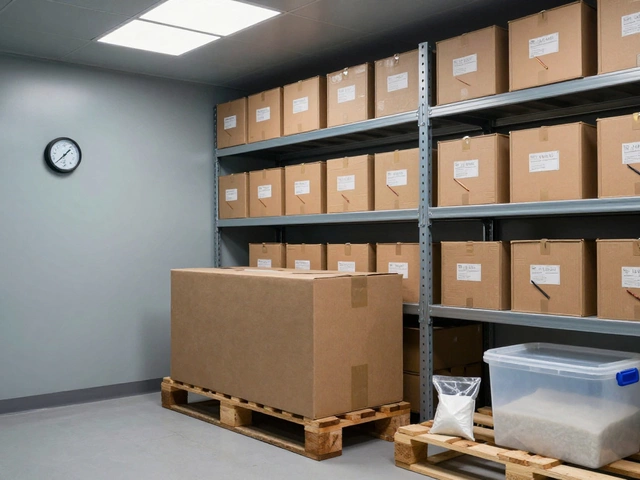
Project Scale in Construction and Interiors: What It Means and How It Impacts Your Renovation
When you think about project scale, the size and scope of a construction or renovation job, from minor updates to full builds. Also known as building project size, it determines everything from how long work takes to how much it costs—and whether you need a full team or just a few skilled tradespeople. It’s not just about square footage. A small project scale might mean swapping out kitchen cabinets. A large one could mean tearing down walls, adding a second story, or reconfiguring your entire floor plan. The bigger the scale, the more variables come into play: permits, materials, labor coordination, and even how long you’ll need to live in a construction zone.
Project scale directly connects to budget, the total money allocated for materials, labor, and unexpected costs during a build or renovation. A $10,000 bathroom remodel (like the one covered in our guide) is a low-scale project—it’s focused, contained, and often DIY-friendly. But a $30,000 kitchen renovation? That’s mid-scale. It involves cabinetry, plumbing, electrical, and possibly moving walls. And when you’re building a new house from scratch, you’re dealing with high-scale construction: foundations, framing, roofing, inspections, and months of work. Each scale requires different planning. You can’t treat a full-home build like a simple paint job.
It also ties into timeline, how long a construction or renovation job takes from start to finish. A small project might wrap in a week. A medium one could take 6–8 weeks. A full home build? That’s 6–12 months, depending on permits, weather, and supply chains. Our post on why new homes cost so much in 2025 doesn’t just list prices—it explains how scale multiplies delays and expenses. The same goes for interior design. A living room makeover with new paint and lighting is quick. But redesigning your whole home’s flow, from flooring to door colors, is a multi-phase project that needs careful sequencing.
And then there’s team size, the number and types of professionals needed to complete a construction or design job. A tiny project? One contractor and a handyman. A medium project? You’ll likely need an architect, electrician, plumber, and designer working together. Large-scale projects demand project managers, inspectors, and specialized crews. Our guide on commercial vs industrial construction shows how scale changes who’s involved—even the rules they follow. You wouldn’t hire a landscaper to install a structural foundation, and you wouldn’t use a general contractor for a high-end interior finish if precision matters.
Understanding project scale isn’t about picking big or small. It’s about matching your goals to the right level of effort. Want to fix a drafty window? That’s low scale. Want to turn your garage into a guest suite? That’s mid-scale. Want to rebuild your entire home after damage? That’s high scale. Each one needs a different approach. The posts below cover real examples—from bathroom tiling sequences to kitchen budgets to house settlement after 20 years—all tied to how big (or small) the job really is. You’ll see how scale shapes every decision, from material choices to who you hire. No fluff. Just what actually matters when you’re planning your next move.
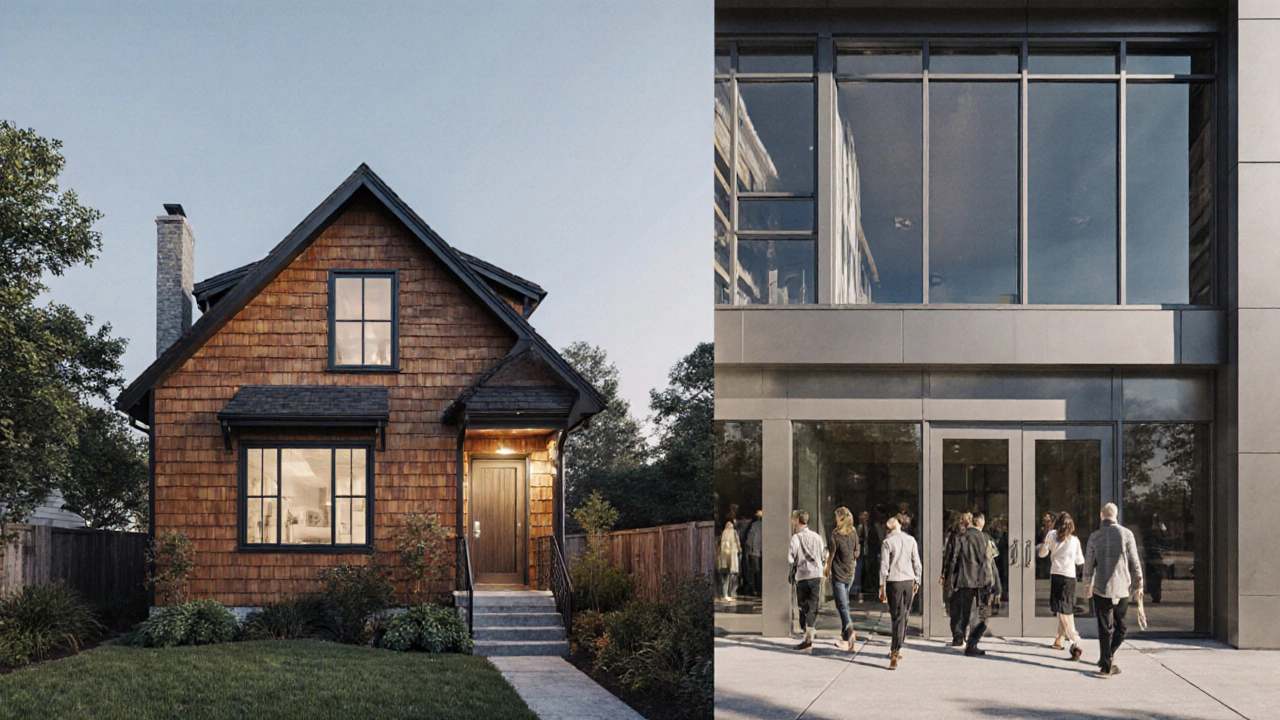
What Is the Major Difference Between Residential and Commercial Construction?
The major difference between residential and commercial construction lies in purpose, codes, materials, and scale. Homes are built for comfort; commercial buildings are built for function, safety, and high traffic.