Modern Interior Design Finder
The term "home interiors" is evolving. Discover which modern design philosophy aligns with your daily life by answering three simple questions.
1. How do you primarily use your living space during the day?
2. What matters most when choosing new furniture or materials?
3. What is your biggest goal for your home environment?
Key Action Items
You might have noticed that the phrase "home interiors" feels a bit dated lately. It sounds like something from a catalog in the early 2000s. So, what is the new name for home interiors? The truth is, there isn't one single buzzword replacing it. Instead, the industry has fragmented into specific philosophies that describe how we live, not just what we buy. If you are looking to refresh your space or understand where the market is heading in late 2026, you need to look at terms like Biophilic Design, an approach that integrates natural elements into built environments to improve well-being and connectivity with nature, Sustainable Interiors, design practices focused on reducing environmental impact through material choice and energy efficiency, and Adaptive Spaces, flexible living areas designed to serve multiple functions throughout the day.
Why does this shift matter? Because language shapes expectation. When designers talk about "interiors," they often mean static decoration. But today's homeowners want dynamic experiences. They want spaces that breathe, adapt, and lower their carbon footprint. This article breaks down the terminology driving modern design decisions right now.
The Shift from Decoration to Experience
For decades, "interior decorating" was the standard term. It implied adding objects to empty rooms. Today, the focus has moved toward environmental psychology. We care less about matching curtains to carpets and more about how light affects our circadian rhythms or how acoustic panels reduce stress. This is why you hear fewer people saying, "I'm redecorating," and more saying, "I'm optimizing my living environment."
This change reflects a broader cultural move away from status signaling. In Auckland, for example, many homeowners are ditching open-plan extremes in favor of defined, cozy zones. The goal isn't to impress guests; it's to support mental health. Consequently, the vocabulary has shifted from aesthetic descriptors (like "chic" or "modern") to functional ones (like "restorative" or "efficient").
Key Terminologies Defining Modern Homes
If you scroll through Pinterest or follow leading architects on Instagram, certain terms pop up repeatedly. These aren't just marketing fluff; they represent distinct methodologies. Let's decode the three most dominant concepts shaping homes in 2026.
Biophilic Design: Bringing the Outside In
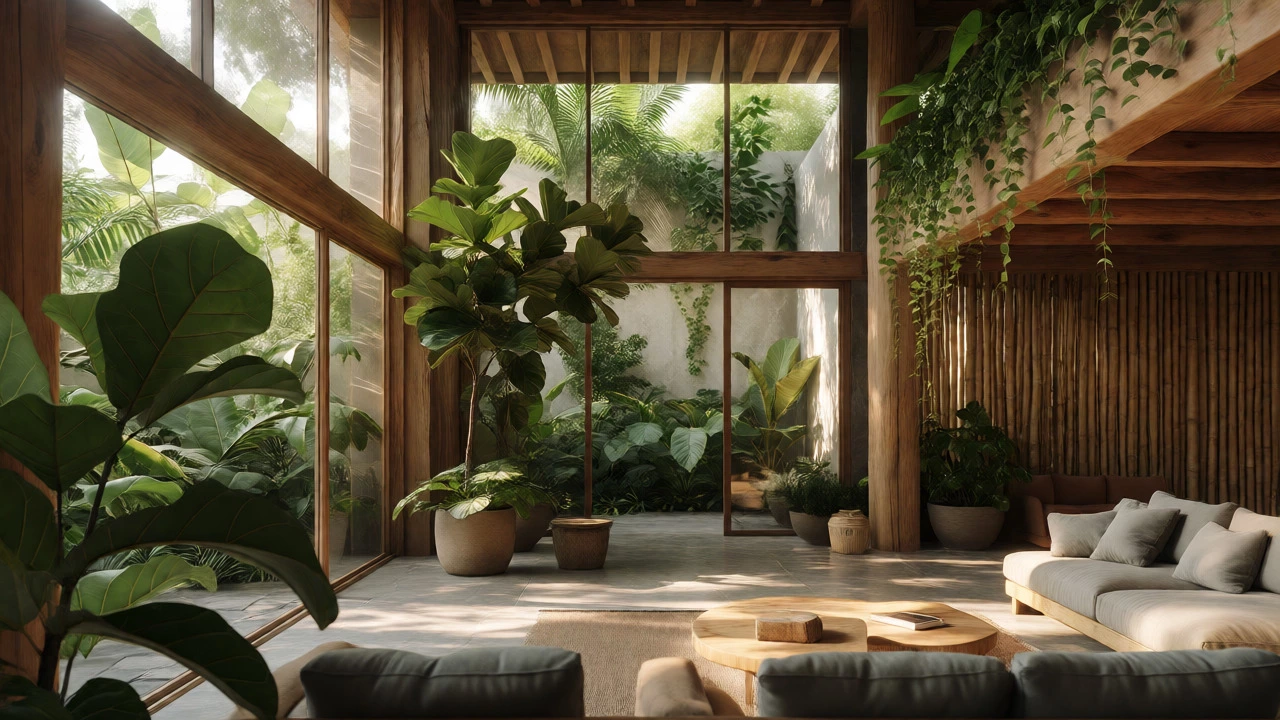
Biophilic Design is a type of architecture and interior design that connects inhabitants closely to nature. It’s not just about placing a potted plant in the corner. True biophilic design involves using natural materials like timber, stone, and bamboo, maximizing natural light, and incorporating water features or indoor gardens. Studies suggest that workers in biophilic offices report 15% higher creativity levels, but in homes, the benefit is primarily stress reduction.
Think about the last time you felt calm in a room. Was it because of the paint color? Probably not. It was likely the view of trees outside, the texture of a wool rug, or the sound of running water. Biophilic design systematizes these feelings. It asks: How can we mimic the calming effects of a forest within our concrete boxes?
Sustainable Interiors: Ethics as Aesthetics
Gone are the days when eco-friendly meant ugly. Sustainable Interiors prioritize circular economy principles, ensuring materials can be reused, recycled, or composted at the end of their life. This trend drives the popularity of vintage furniture, reclaimed wood, and low-VOC paints. It also influences layout choices, such as designing for passive heating and cooling to reduce reliance on HVAC systems.
In New Zealand, this aligns perfectly with the local ethos of kaitiakitanga (guardianship). Homeowners here often choose locally sourced wool carpets over synthetic alternatives, not just for durability, but to support local farmers and reduce shipping emissions. Sustainability is no longer a niche concern; it’s a baseline expectation for quality construction.
Adaptive Spaces: The Post-Remote Work Reality
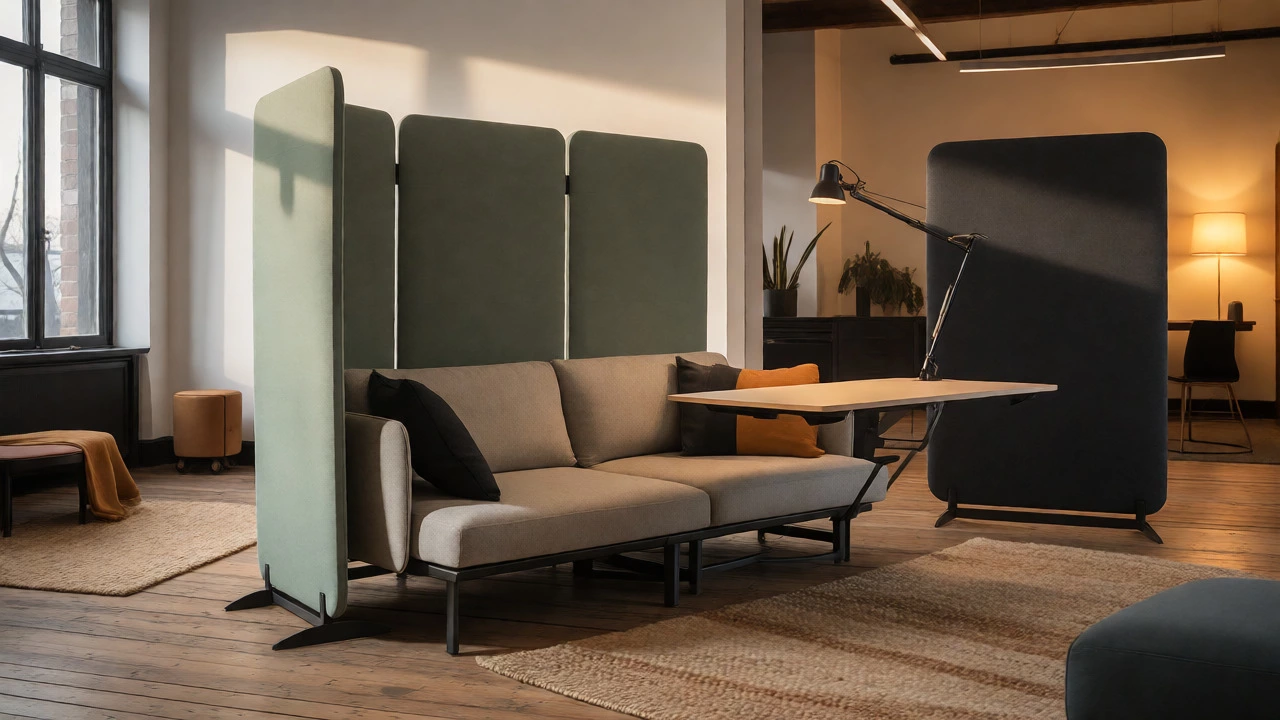
The pandemic changed how we use square footage. We stopped needing formal dining rooms and started needing hybrid workspaces. This birthed the concept of Adaptive Spaces, which utilize modular furniture and movable walls to transform a room’s function based on the time of day. A bedroom becomes an office by day and a sanctuary by night. A garage becomes a gym or a guest suite.
Flexibility is the new luxury. Fixed layouts feel restrictive. Adaptive spaces allow you to reconfigure your home without knocking down walls. This is particularly relevant in urban apartments where space is premium currency.
Comparing Old vs. New Interior Paradigms
To help you decide which direction fits your lifestyle, here is a breakdown of how traditional approaches compare to emerging trends.
| Feature | Traditional Interiors | Modern Trends (2026) |
|---|---|---|
| Primary Focus | Aesthetic appeal & status | Well-being & functionality |
| Material Choice | New, synthetic, uniform | Natural, reclaimed, textured |
| Layout Strategy | Fixed, single-purpose rooms | Flexible, multi-functional zones |
| Technology Integration | Visible gadgets, separate systems | Invisible tech, integrated smart ecosystems |
| Color Palette | Trend-driven, high contrast | Earth tones, calming neutrals |
How to Apply These Concepts to Your Home
You don’t need to gut your house to embrace these new names for home interiors. Small changes yield significant results. Here is a practical checklist to start transforming your space.
- Assess Natural Light: Can you see the sky from your primary living area? If not, add mirrors or lighter window treatments to boost biophilic effects.
- Audit Material Sources: Check labels on your next purchase. Is the wood FSC-certified? Is the fabric organic cotton? Prioritize transparency.
- Create Zones, Not Rooms: Use rugs or lighting to define a workspace in the living room rather than dedicating a whole spare room to it.
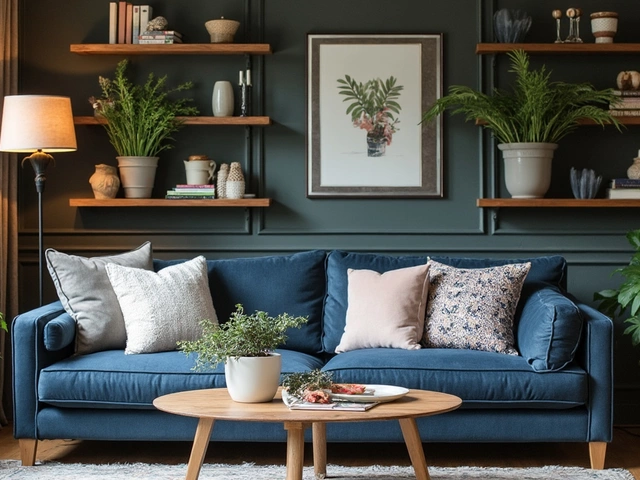
- Introduce Texture: Layer different materials-linen, wood, metal-to create sensory depth. Flat surfaces feel sterile; textured surfaces feel alive.
- Declutter for Flexibility: Remove bulky, single-use furniture. Opt for pieces that can move or fold away easily.
Consider the acoustics, too. Hard floors and bare walls create echo, which increases cognitive load. Adding soft furnishings improves sound absorption, making the space feel more private and restful. This is part of the "wellness architecture" movement gaining traction globally.
The Role of Technology in Modern Interiors
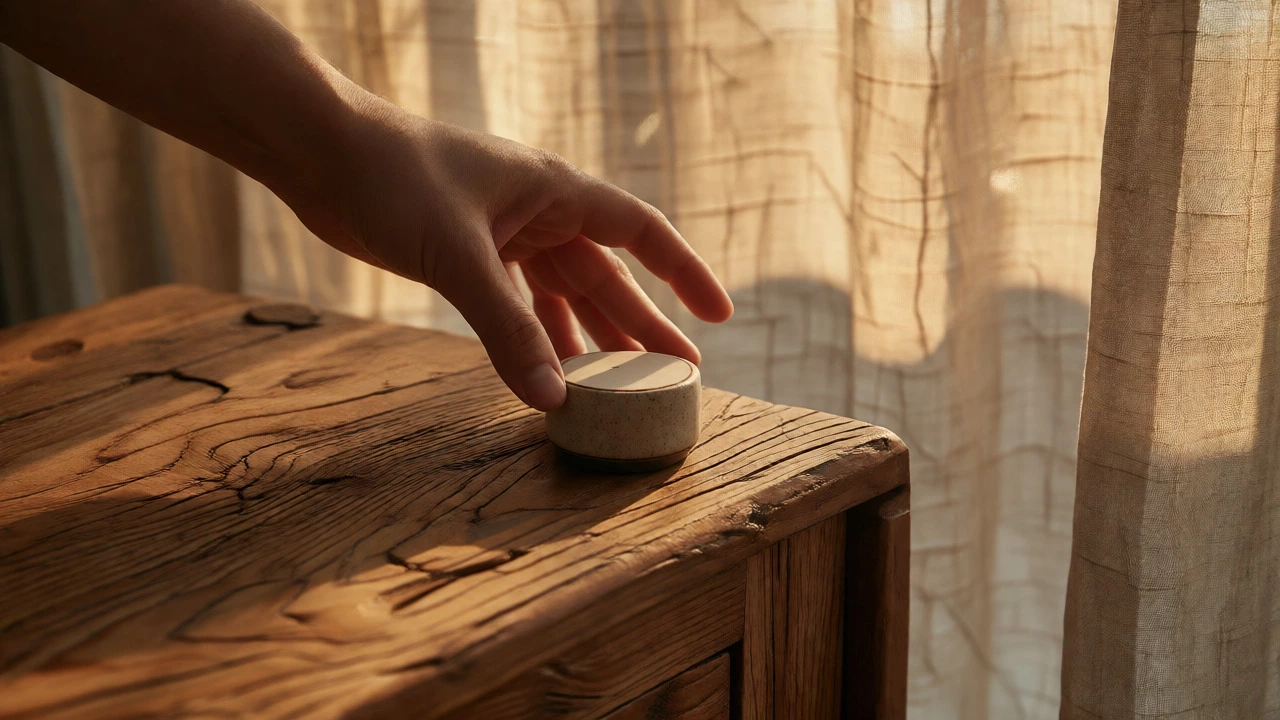
Smart homes used to mean clunky remotes and visible wires. Now, technology is invisible. Integrated Smart Systems control lighting, temperature, and security via voice or app, blending seamlessly into the decor. The goal is automation that enhances comfort without demanding attention.
For instance, smart blinds that adjust based on sun position save energy and protect fabrics from fading. Voice-controlled lighting scenes can shift from bright white for work to warm amber for relaxation. This technological layer supports the adaptive and sustainable goals mentioned earlier. It makes the home responsive to its occupants' needs.
Regional Nuances: The Auckland Perspective
Design trends aren't universal. In Auckland, the mild climate allows for seamless indoor-outdoor flow, a hallmark of Kiwi architecture. Large sliding doors and covered decks are common. However, recent weather patterns have made insulation and ventilation critical topics. Modern interiors here often feature double-glazing upgrades and heat recovery ventilation systems, disguised within stylish joinery.
Local suppliers are responding by offering more sustainable options. Bamboo flooring, once hard to find, is now widely available. Second-hand markets thrive, reflecting both economic prudence and environmental consciousness. When defining your project, consider local building codes and climate-specific challenges alongside global trends.
Frequently Asked Questions
Is "minimalism" still considered a modern interior trend?
Yes, but it has evolved. Pure minimalism (white walls, few objects) is giving way to "warm minimalism" or "soft minimalism." This style retains clean lines and decluttered spaces but introduces warmer textures, earthy colors, and personal artifacts to avoid feeling sterile.
What is the difference between interior design and interior architecture?
Interior design focuses on the selection of finishes, furniture, and décor within existing structures. Interior architecture involves altering the structural elements of the space, such as moving walls, changing ceiling heights, or modifying plumbing and electrical layouts. Modern projects often blend both disciplines.
Do I need to renovate to achieve a modern interior look?
No. Many aspects of modern interiors, such as biophilic elements and adaptive zoning, can be achieved through rearranging furniture, adding plants, improving lighting, and swapping out textiles. Structural renovations are only necessary if you want to fundamentally change the layout or integrate complex smart systems.
Are sustainable interiors more expensive?
Upfront costs can be higher due to quality materials and specialized labor. However, long-term savings on energy bills and durability often offset the initial investment. Additionally, buying second-hand or vintage items can make sustainable choices more affordable than buying new mass-produced goods.
How do I know which trend fits my personality?
Reflect on how you spend your time. Do you work from home? You might prefer adaptive spaces. Are you stressed and seeking calm? Biophilic design could help. Do you value ethics over aesthetics? Sustainable interiors will resonate. Start with small experiments before committing to major changes.
Next Steps for Your Project
If you're ready to update your home, start by identifying which of these new terminologies resonates most with your values. Do you crave connection with nature? Look into biophilic strategies. Do you want a flexible layout? Investigate modular furniture solutions. Do you prioritize ethics? Research sustainable material suppliers in your area.
Remember, the best interior isn't the one that looks like a magazine cover. It's the one that supports your daily life effectively. By adopting these modern frameworks, you create a home that is not just visually appealing, but genuinely livable and future-proof.