Building Codes Explained: What You Need to Know for Safe, Legal Construction
When you start a renovation or build a new home, you’re not just picking paint colors or floor tiles—you’re working within a system called building codes, official rules that set minimum standards for safety, structural integrity, and health in construction. Also known as construction regulations, these rules aren’t suggestions—they’re enforced by local authorities and can stop your project dead if ignored. Think of them like the rules of the road, but for houses. If you skip them, you risk unsafe wiring, weak foundations, or even legal fines that cost more than fixing the problem later.
These codes don’t exist in a vacuum. They connect directly to building permits, official approvals you must get before breaking ground. Without one, your project is illegal—even if it looks perfect. And zoning laws, local rules that decide what kind of buildings can go where, often dictate whether you can add a second story, turn a garage into a studio, or even install a shed in your backyard. Then there’s code compliance, the ongoing process of making sure every step of your build follows the rules. These aren’t just paperwork hurdles. They’re what keep your family safe from fire, collapse, or toxic materials.
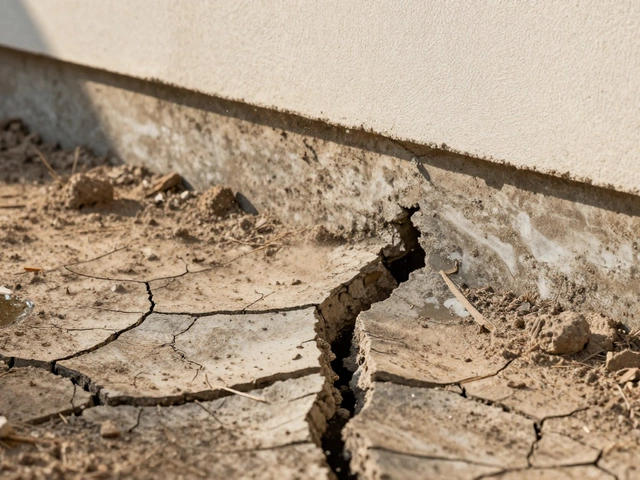
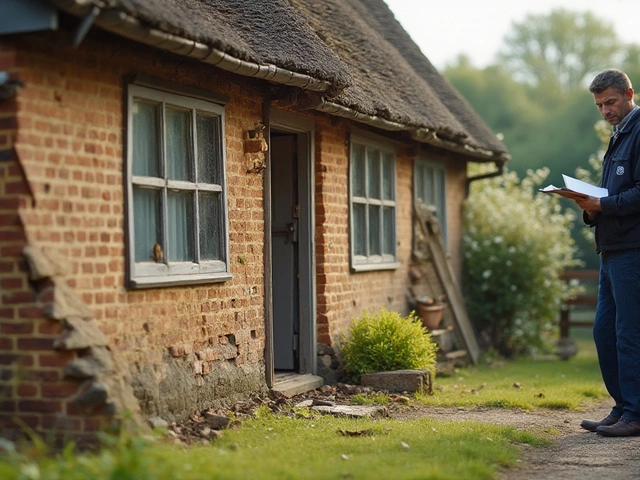
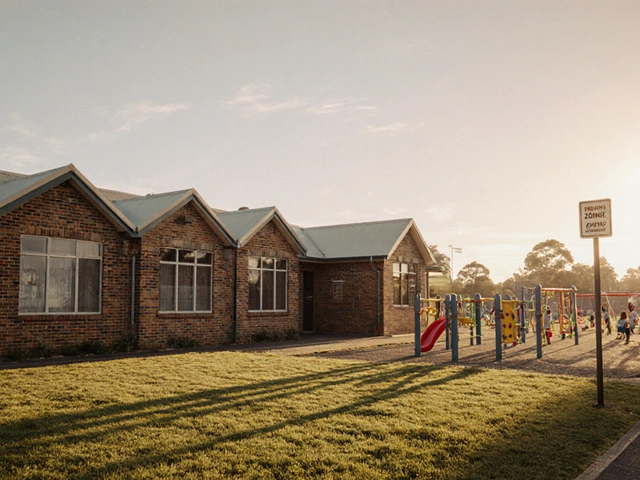
Look at the posts below. You’ll see real examples of how building codes shape everyday decisions: why you install walls before floors in a bathroom, why new homes cost more in 2025, how commercial buildings differ from residential ones, and why schools have special rules in New Zealand. These aren’t random topics—they’re all tied to the same foundation: building codes. Whether you’re remodeling a kitchen for $30,000, wondering if your house can still settle after 20 years, or trying to figure out if you need a commercial license, the answer always circles back to these rules.
What you’ll find here isn’t a textbook. It’s real-world advice from people who’ve been through it—what actually matters, what trips people up, and how to avoid costly mistakes before they happen. No fluff. No guesswork. Just clear, practical info to help you build smarter, not harder.

Is Commercial the Same as Non-Residential? Clear Differences Explained
Commercial and non-residential aren't the same. Commercial means business use with strict codes; non-residential includes schools, churches, and hospitals too. Know the difference to avoid costly mistakes.
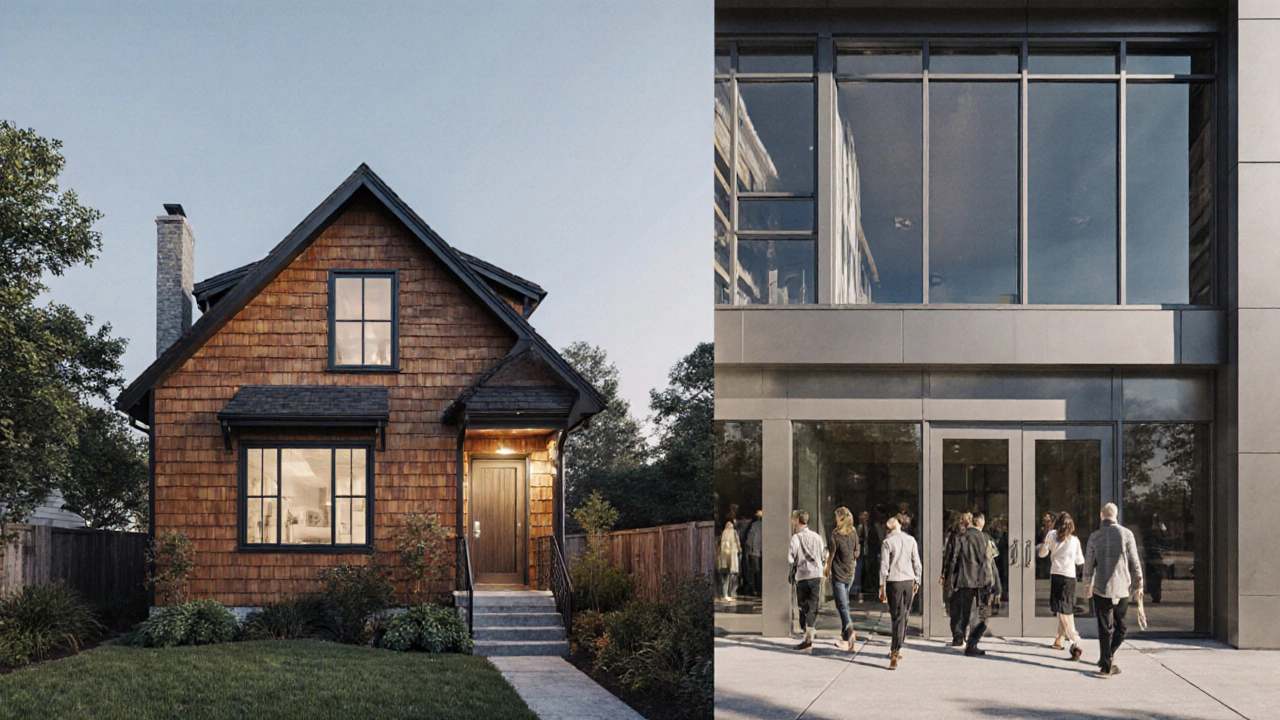
What Is the Major Difference Between Residential and Commercial Construction?
The major difference between residential and commercial construction lies in purpose, codes, materials, and scale. Homes are built for comfort; commercial buildings are built for function, safety, and high traffic.
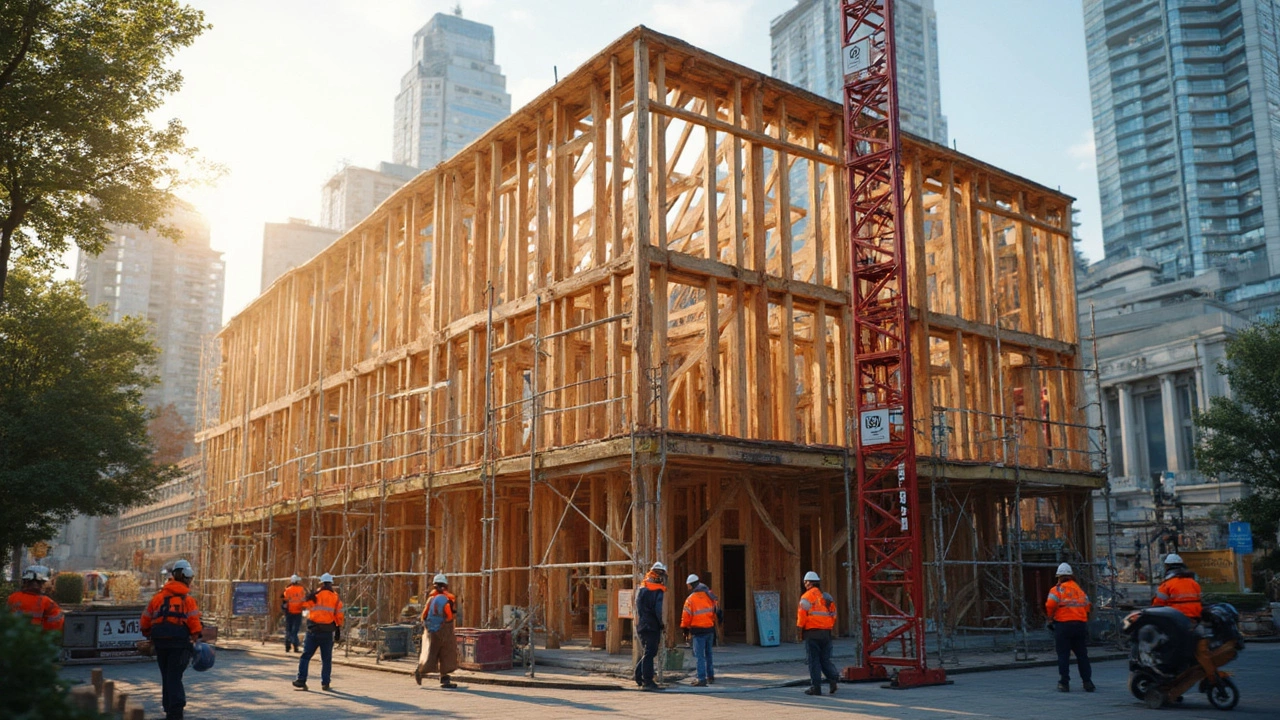
Type 5 Construction: What Is It Called in Commercial Building?
Curious about Type 5 construction? This article breaks down exactly what it means, why it's called 'wood-frame,' and where you'll spot it in commercial builds. We cover the nuts and bolts, the main rules, and what makes Type 5 different from the other types. You'll get practical tips about fire safety and insurance, plus learn which projects are a good fit for this approach. Perfect for anyone puzzled by the building code jargon or planning a commercial project on a budget.
Type C Construction: What It Means for Your Building Project
Type C construction is a term thrown around a lot in commercial building projects, but plenty of business owners and even some contractors aren’t totally sure what it covers. This article breaks down exactly what type C construction means, how it compares with other types, and when you’ll run into it. You’ll also get practical info about the codes, materials, and fire safety rules that go along with it. By the end, you’ll know if type C is the right fit for your build or upgrade.

What Is Classified as Commercial? Understanding Commercial Construction Spaces
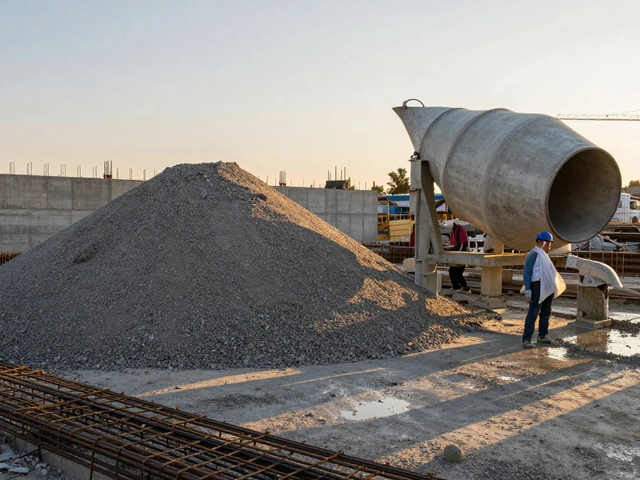
Curious what counts as a commercial building? This article breaks down what makes a property 'commercial' in the construction world. It covers which spaces fall into this category (and which don’t), why the classification matters, and some surprising facts about building codes and regulations. You’ll also find practical advice for anyone who needs to figure out if a project or property counts as commercial. Consider this your no-nonsense guide to commercial construction lingo.