TV Placement Evaluator
Answer the questions below about your intended TV location to receive a suitability score and professional recommendations.
Select your options and click "Evaluate Placement" to see if your setup meets ergonomic and design standards.
Verdict
Key Recommendations:
You just bought a massive 75-inch screen. It’s sleek, it’s thin, and you’re ready to mount it. But where does it actually go? Most people default to the biggest blank wall in the living room. That is usually the first mistake. A television is not just a piece of furniture; it is a visual anchor that dictates how your entire room flows. If you place it poorly, you end up with neck strain, glare issues, or a black void that ruins your beautiful wall art collection.
Think about the last time you visited a friend whose TV was mounted above their fireplace. Did you feel comfortable? Probably not. You were likely tilting your head back like a giraffe trying to reach high leaves. This isn't just anecdotal; ergonomic studies suggest that looking up for extended periods causes significant cervical spine stress. The goal is to create a space where technology blends seamlessly into your life, rather than dominating it awkwardly. Let’s break down exactly where you should avoid placing your screen to keep your home both functional and stylish.
The Fireplace Fallacy
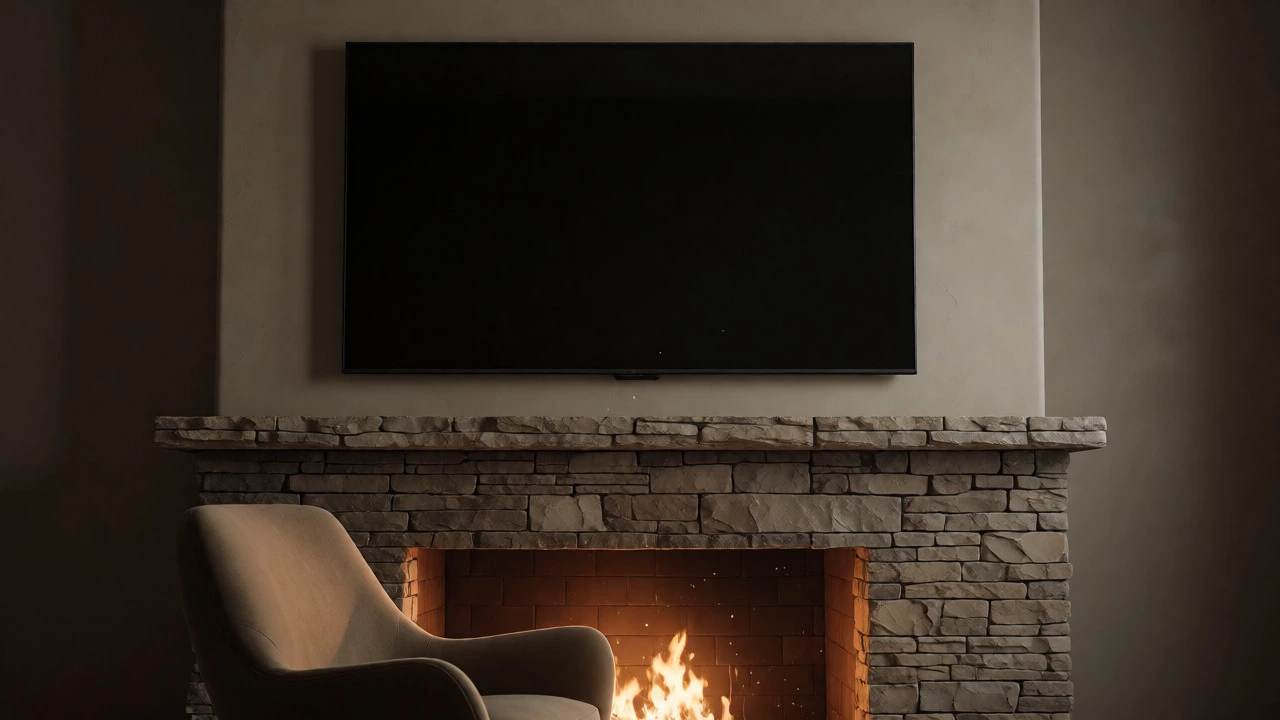
Above the fireplace is the classic "lazy" spot. Builders put the mantel there, so homeowners assume the TV goes there too. Here is why this fails: heat and height. Even modern electric fireplaces generate some warmth, which can degrade plastic components over years. More importantly, the viewing angle is terrible. Your eyes need to be level with the center of the screen for neutral neck posture. When a TV sits three feet above your eye line, you are forcing your muscles to work against gravity every time you watch Netflix.
There is also the aesthetic clash. A large black rectangle floating above a roaring fire (or a faux flame) creates a jarring contrast. It interrupts the vertical flow of the wall. If you absolutely must have the TV near the hearth, consider a full-motion bracket that pulls the screen out and tilts it down toward the seating area. But honestly? Moving the TV to an adjacent wall often looks cleaner and feels better physically.
Avoiding Glare Traps Near Windows
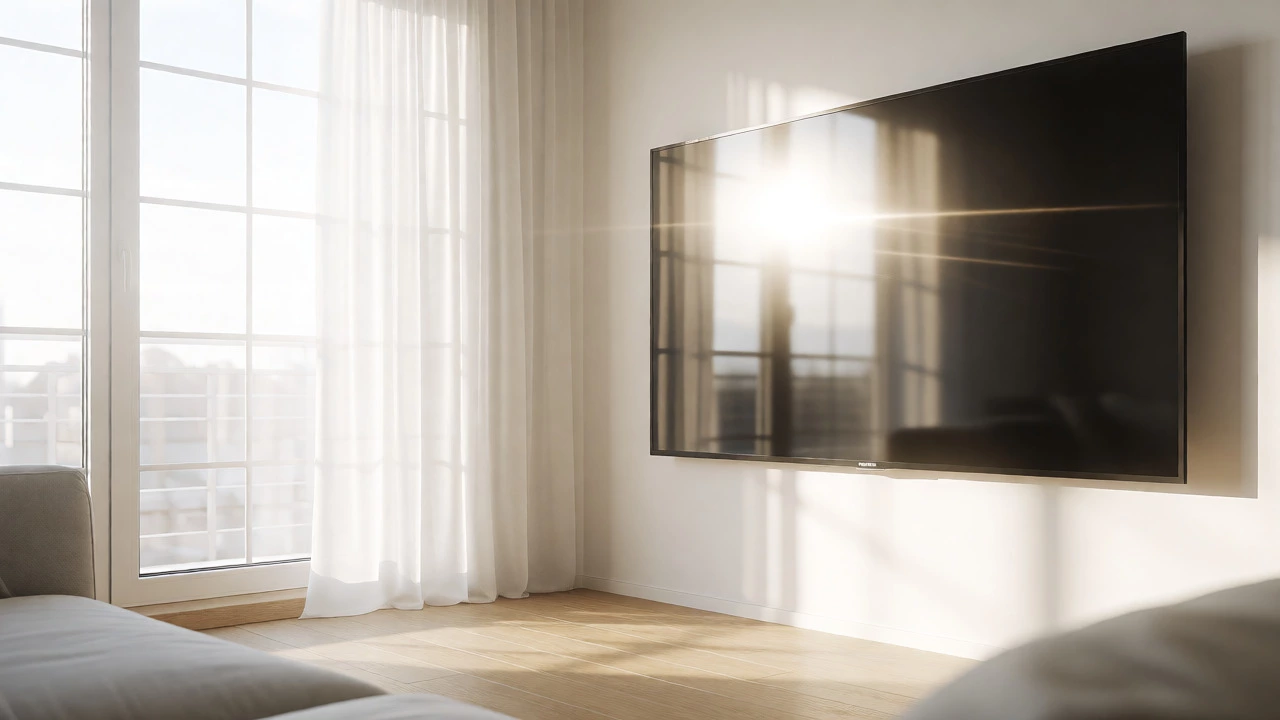
Natural light is great for plants and mood, but it is the enemy of LCD and OLED panels. Placing a TV directly opposite a large window means you will spend half your evening squinting through reflections. You might think, "I'll just close the blinds," but then you lose the natural ambiance of the room during the day.
The rule of thumb here involves geometry. Light travels in straight lines. If sunlight hits the glass surface of your TV at an angle that reflects directly into your eyes while seated, you have a problem. Side placement relative to windows is safer. If you have a bay window, try mounting the TV on the solid wall perpendicular to the main source of daylight. This minimizes direct reflection while keeping the room bright. For those who love watching movies at night, remember that streetlights can also cause annoying flicker if the TV faces a busy road outside a floor-to-ceiling window.
The Bathroom Humidity Hazard
People love the idea of catching up on news while soaking in a tub. It sounds luxurious. In reality, bathrooms are hostile environments for electronics. Steam penetrates vents, causing condensation inside the circuitry. Over time, this moisture corrodes internal connections, leading to premature failure. Unless you buy a specific IP-rated waterproof television designed for wet zones, standard models will struggle.
Beyond the technical risk, there is a psychological aspect. Bathrooms are spaces for decompression. Having a glowing box staring at you from above the toilet can make relaxation difficult. If you insist on a screen, opt for a small, dedicated unit rather than your main living room set. And never, ever place a TV directly above a shower enclosure where water droplets can splash onto the bezel.
Respecting Wall Art and Focal Points
This is where many design enthusiasts get tripped up. You have curated a gallery wall of vintage prints or commissioned local artists. Then, you smash a giant TV right in the middle of it. Suddenly, your art becomes background noise for a sports game. The TV demands attention; art invites contemplation. They compete for the same visual real estate.
If you want to preserve the integrity of your wall art, give them separate zones. Perhaps the TV lives on one wall, while your favorite paintings occupy another. Or, use the TV as part of the art itself by utilizing "The Frame" style displays that show artwork when off. However, traditional screens still look like holes in the wall when switched off. Don't let a dead screen kill the vibe of your carefully arranged décor.
| Location | The Problem | The Fix |
|---|---|---|
| Above Fireplace | Neck strain, heat damage, poor sightlines | Mount on adjacent wall or use tilt-bracket |
| Facing Window | Glare, washed-out colors, daytime visibility issues | Mount perpendicular to window or use blackout curtains |
| High Corner | Distorted viewing angles, requires swivel stand | Center on main seating axis |
| Over Kitchen Sink | Water splashes, steam, grease buildup | Mount on pantry wall away from direct spray |
Kitchen Chaos and Grease Buildup
Kitchens are social hubs, sure. But they are also dirty. Cooking releases microscopic oil particles and steam that settle on surfaces. A TV mounted near the stove or sink acts as a magnet for this grime. Cleaning a sticky, greasy screen is tedious and can scratch anti-glare coatings if done improperly.
Furthermore, kitchen lighting is often harsh and directional, creating hotspots on the screen. If you want a TV in the kitchen, place it on a wall far from the cooking zone. Maybe near the breakfast nook or on the side facing the dining table. Keep it low enough to view while standing or sitting comfortably without craning your neck. Remember, kitchens are high-traffic areas; ensure the mounting hardware is robust enough to withstand accidental bumps from carts or children running around.
Bedroom Balance and Sleep Hygiene
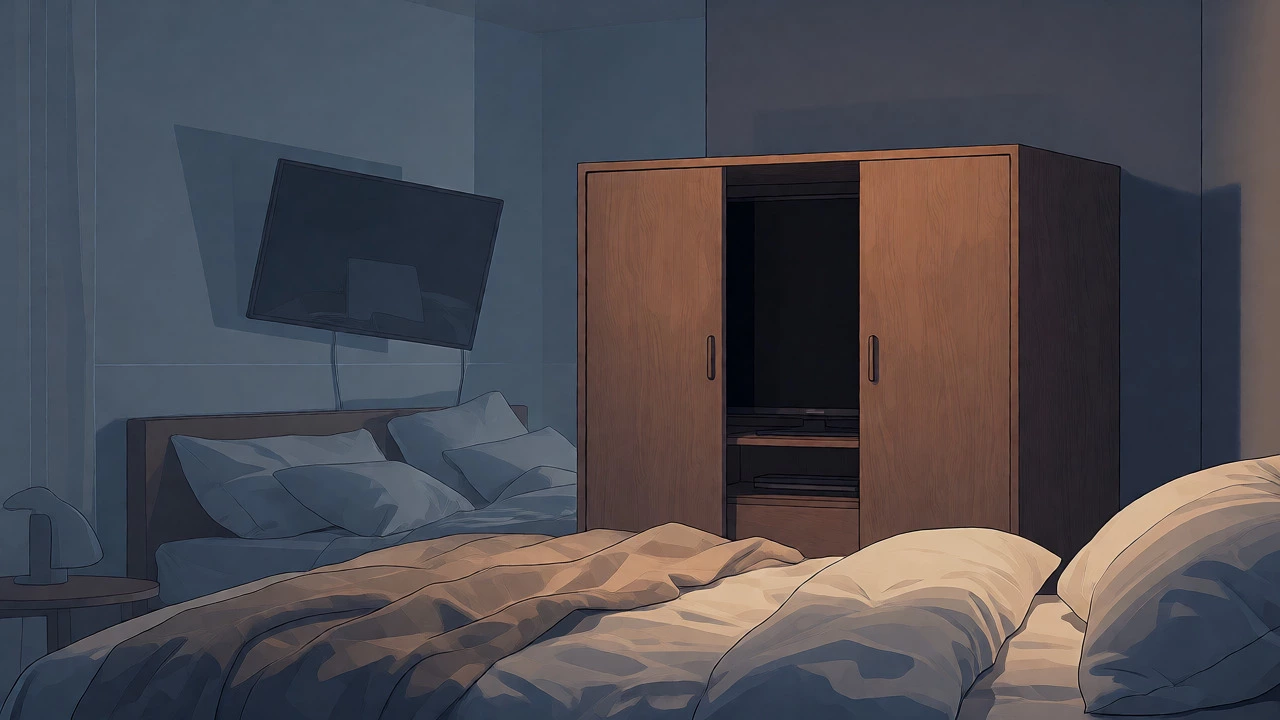
Many couples argue about whether TVs belong in bedrooms. From a design perspective, a TV facing the bed can dominate the room, making it feel more like a hotel lobby than a sanctuary. The blue light emitted from screens suppresses melatonin production, disrupting sleep cycles. If you watch late-night shows before bed, you might find yourself wired instead of rested.
If you must have a TV in the bedroom, hide it. Use a cabinet with doors or a motorized lift mechanism. When you aren't watching, the screen disappears, restoring the calm atmosphere necessary for rest. Avoid mounting it directly above the headboard unless you have a very tall ceiling. Otherwise, you risk knocking your head off the edge when getting in or out of bed. Safety first, comfort second.
Structural Reality Checks
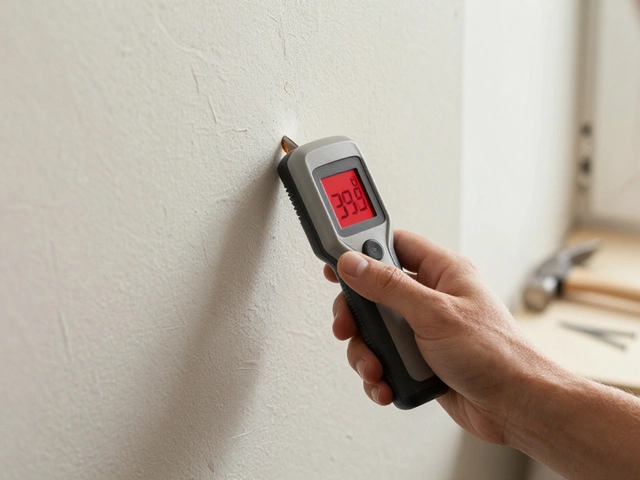
Before you drill any holes, check what is behind the drywall. Studs are typically spaced 16 or 24 inches apart. A heavy 80-inch TV needs secure anchoring into wood studs, not just drywall anchors. If you plan to mount a massive screen, locate the studs using a stud finder. If the desired wall lacks adequate support, you may need to add backing plywood between studs during renovation phases.
Also, consider cable management. Nothing ruins a clean look faster than a tangle of HDMI cords dangling down the wall. Plan your power outlets and signal sources before finalizing placement. If the outlet is on the opposite side of the room, you will either need unsightly extension cords or expensive wireless transmission kits. Location determines logistics.
Final Thoughts on Flow and Function
Choosing where to hang your TV is less about following trends and more about respecting human ergonomics and spatial harmony. Ask yourself: Where do we sit? Where does the light come from? What else is on these walls? By avoiding the obvious traps-fireplaces, glare zones, and humid corners-you create a home that feels intentional. Your screen becomes a tool for enjoyment, not a source of daily frustration. Take your time, measure twice, and don't be afraid to leave a wall empty if it serves the room better.
Is it bad to put a TV above a gas fireplace?
Yes, generally it is discouraged. Gas fireplaces produce significant heat that rises directly upward. This heat can warp the plastic casing of the TV and shorten the lifespan of its internal components. Additionally, the viewing angle is often too steep, causing neck discomfort.
How high should I mount my TV?
The center of the TV screen should be at eye level when you are seated. For most living rooms, this means the center of the screen is roughly 42 inches from the floor. Adjust based on your specific seating height and sofa depth.
Can I put a TV in a bathroom?
You can, but only if the TV is rated for humid environments. Standard TVs are susceptible to moisture damage from steam. Ensure proper ventilation in the bathroom and avoid placing the unit directly above showers or bathtubs where water splashes occur.
Does TV placement affect Wi-Fi signals?
Large metal objects and dense concrete walls can interfere with Wi-Fi signals. While the TV itself has minimal impact, mounting it on a wall shared with your router or thick structural elements might slightly reduce signal strength in adjacent rooms. Positioning the router centrally is usually more effective than worrying about the TV.
What if I have limited wall space?
Consider a corner mount or a slim profile stand. Alternatively, use a projector for larger images in smaller spaces. Projectors require darkening capabilities but free up wall space entirely when not in use.