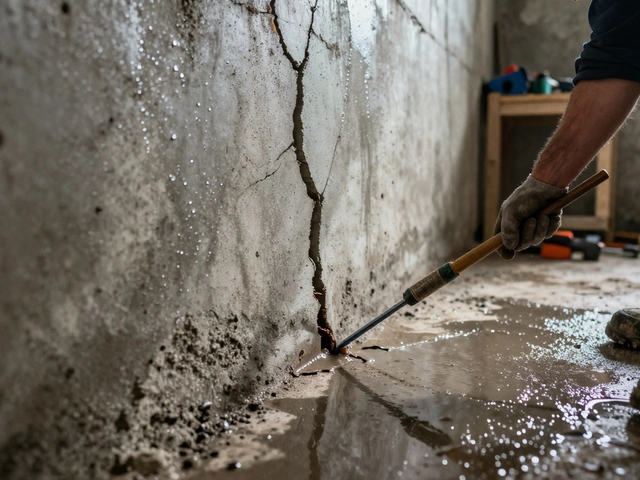
Foundation Damage: Signs, Causes, and How to Fix It
When your home’s foundation damage, the structural weakening of a building’s base that leads to shifting, cracking, or sinking. Also known as foundation movement, it’s not just a cosmetic issue—it’s the root cause of doors that stick, floors that slope, and walls that crack. Many people think foundation problems only happen in old houses, but even homes built 10 years ago can show signs if the soil underneath shifts or water pools near the base.
What causes it? Often, it’s something simple like poor drainage. If rainwater doesn’t flow away from your house, it soaks into the soil, expands when wet, and pushes against the foundation. Over time, that pressure creates structural cracks, visible breaks in walls, floors, or foundations that go beyond surface-level hairline fractures. Other common culprits include tree roots growing too close, clay soil that swells and shrinks with moisture, or even nearby construction that vibrates the ground. And yes—your house can still settle after 20 years. That’s not normal wear and tear; it’s a sign the foundation isn’t holding steady.
You don’t need a degree in engineering to spot trouble. Look for diagonal cracks near windows or doors, gaps between walls and ceilings, or doors that won’t close properly. If your floor slopes noticeably toward one side, or tiles in your bathroom suddenly crack for no reason, those aren’t random glitches. They’re red flags tied directly to house settlement, the gradual sinking or shifting of a building’s foundation due to soil instability or water exposure. And while some fixes are quick—like redirecting downspouts or adding gravel for drainage—others need professionals. Ignoring it won’t make it go away. It’ll just get more expensive.
The good news? Most foundation damage is fixable if caught early. You’ll find real-world examples in the posts below: how to tell if your cracks are serious, what materials actually work for repairs, why some DIY fixes backfire, and how to avoid being overcharged by contractors. Whether you’re dealing with a tiny crack or a full-on lean, the information here is practical, no-fluff, and built from real cases—not theory.
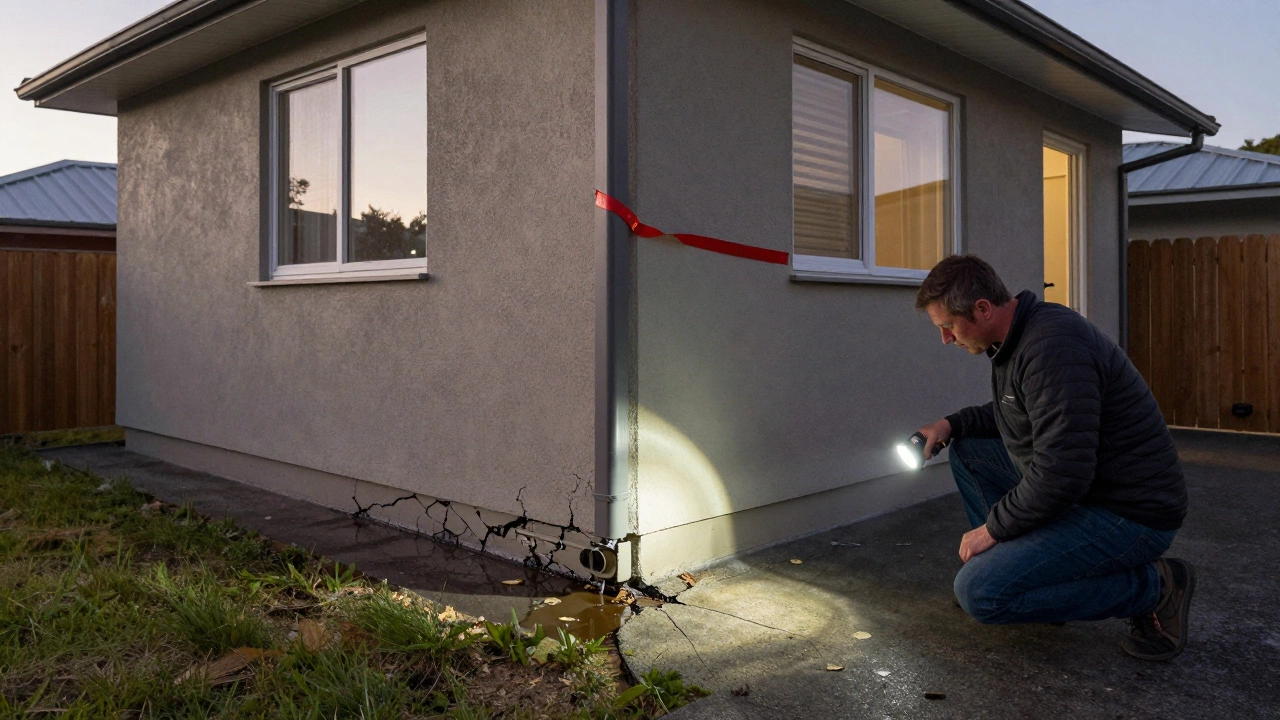
Why Are Foundations Not Covered by Insurance? Here’s What Homeowners in New Zealand Need to Know
Most home insurance policies in New Zealand don’t cover foundation repair because damage is usually caused by preventable issues like poor drainage or soil movement. Learn why it’s excluded and how to protect your home before it’s too late.
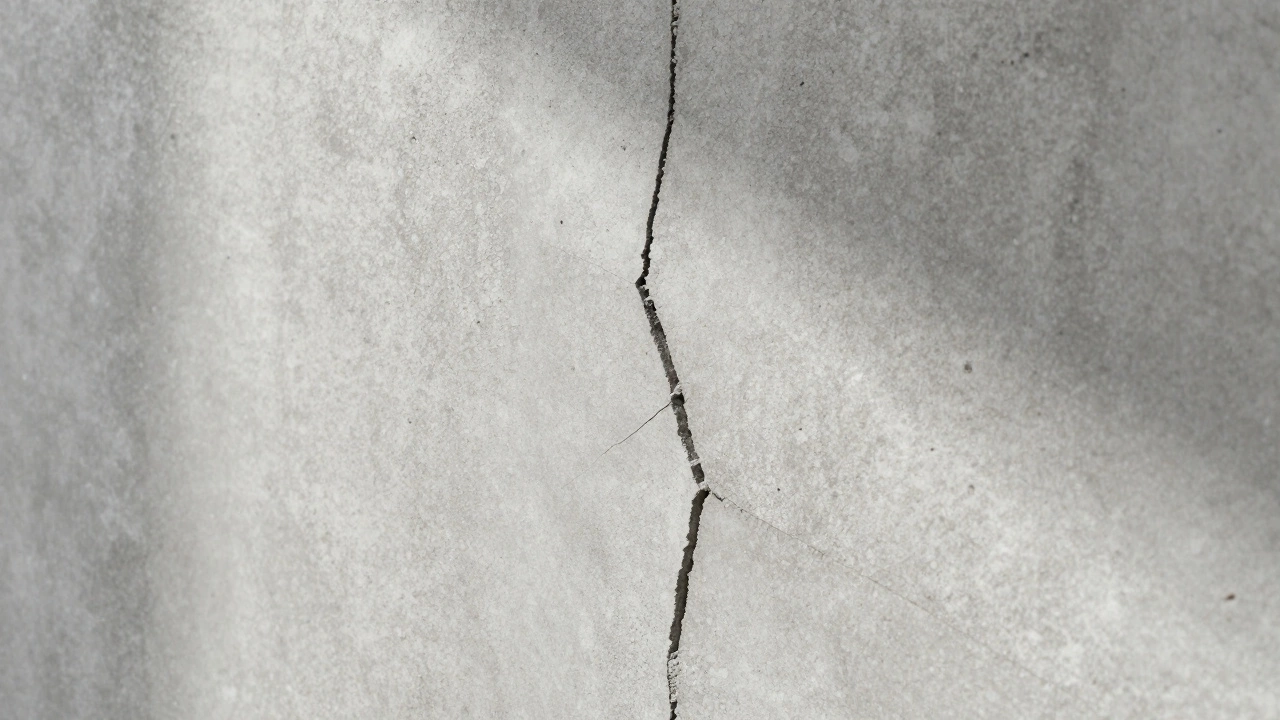
What Does a Bad Foundation Crack Look Like? Signs You Can't Ignore
Not all foundation cracks are dangerous. Learn how to spot the dangerous ones - width, pattern, and location matter. In New Zealand, soil shifts and rain make foundation damage common. Know the signs before it's too late.
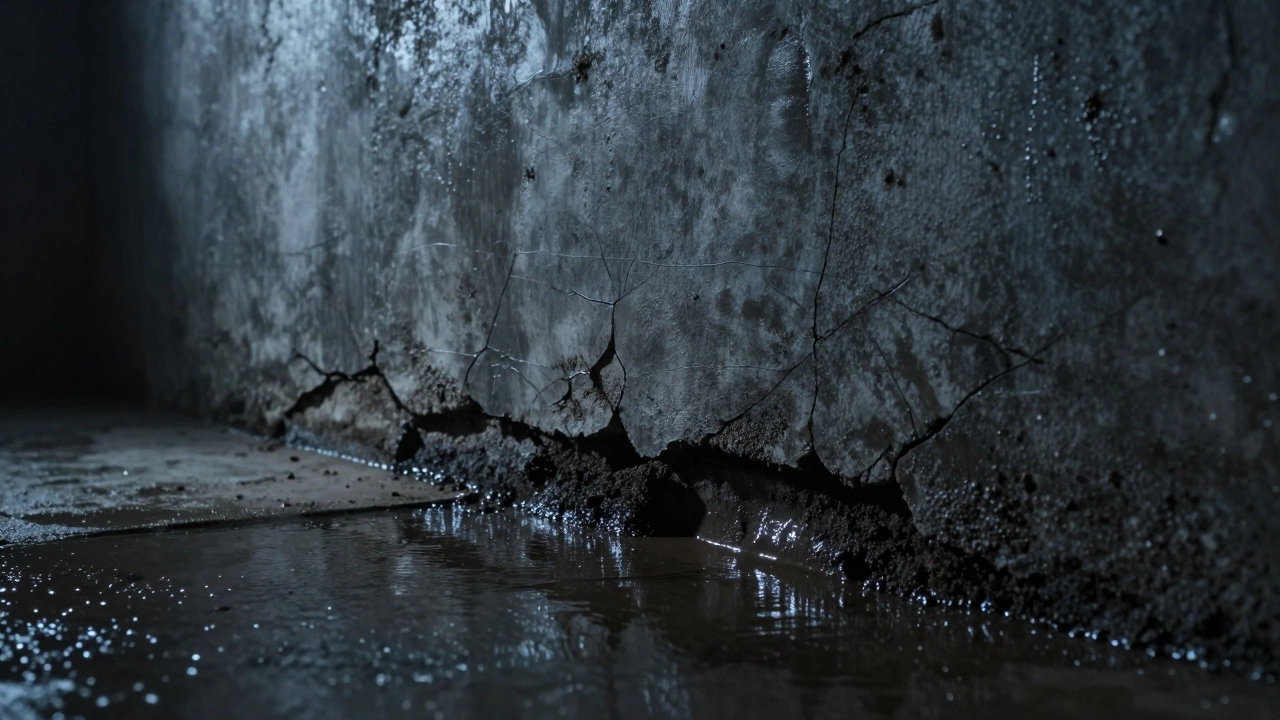
How Serious Are Horizontal Foundation Cracks? A Real-World Guide for Homeowners
Horizontal foundation cracks are a serious structural issue caused by soil pressure, not normal settling. Learn what they mean, how to spot danger signs, and real repair options that actually work.
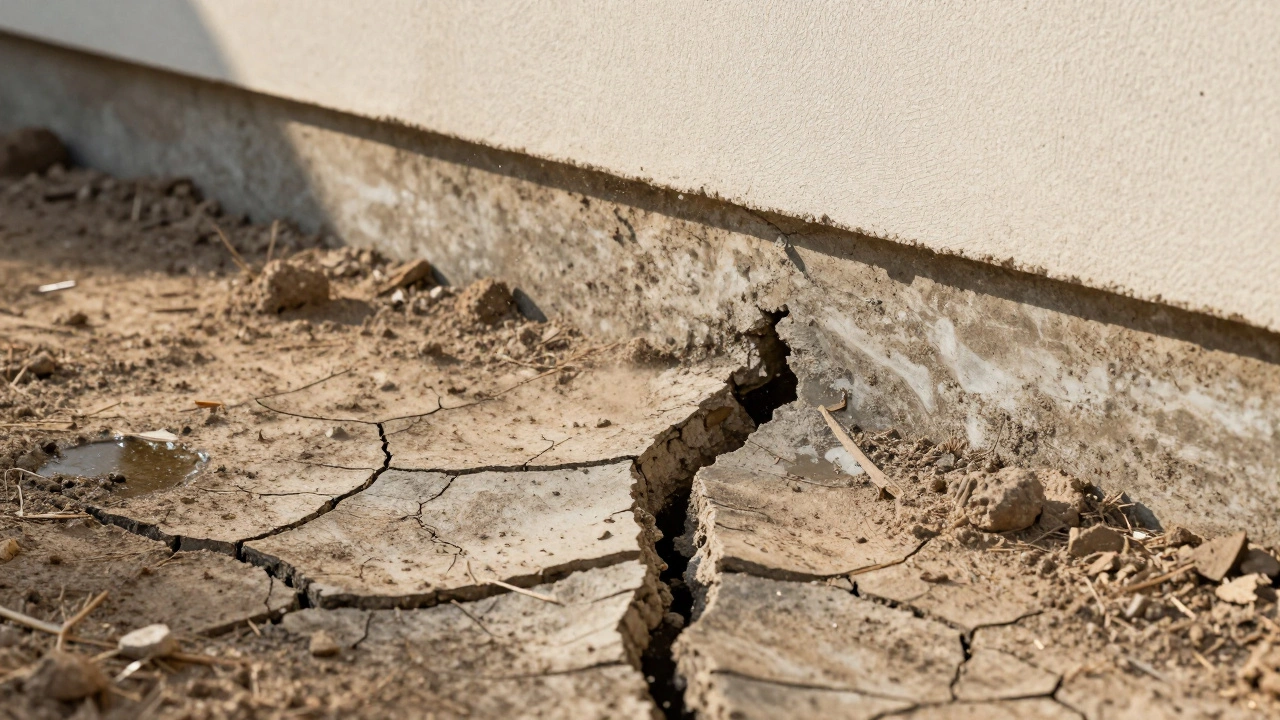
Does House Insurance Cover Foundation Issues? What You Need to Know
Most home insurance policies in New Zealand don't cover foundation damage from gradual wear and tear. Learn what causes foundation issues, when insurance might pay out, and how to protect your home before it's too late.
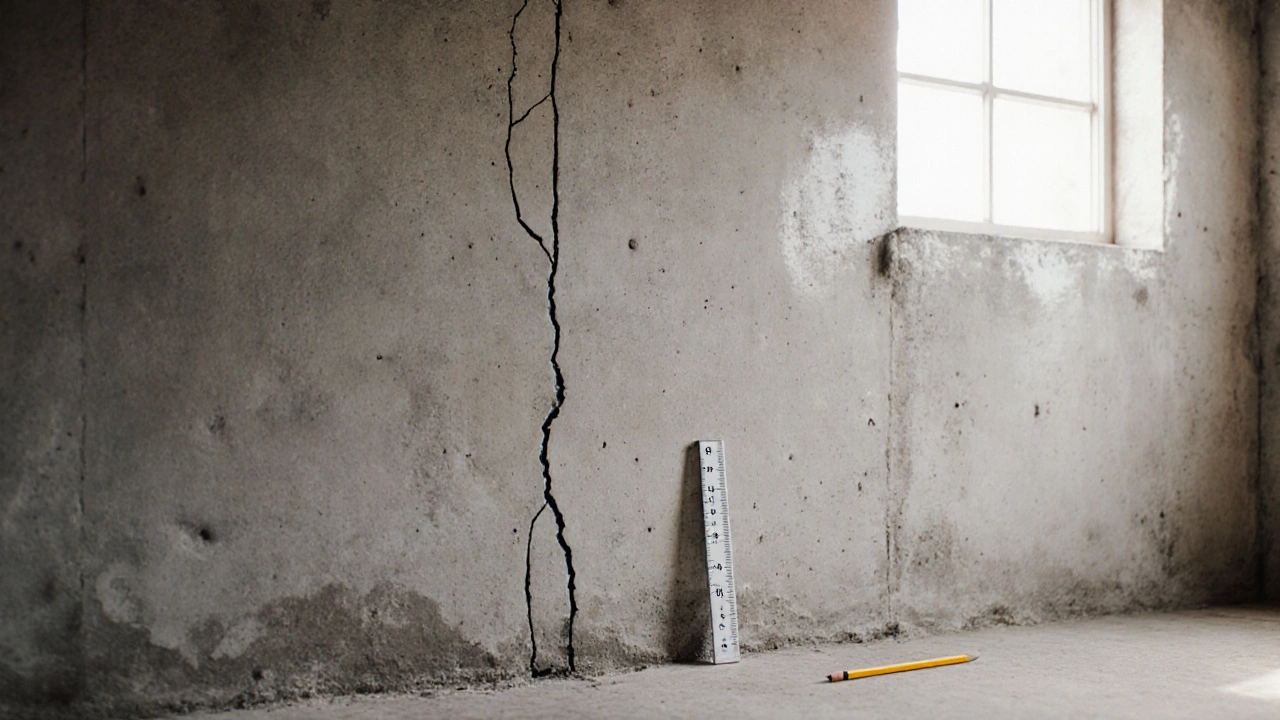
Can You Live in a House with a Cracked Foundation? What You Need to Know Now
Living with a cracked foundation is possible-but only if you know the difference between harmless cracks and dangerous structural damage. Learn the signs, costs, and when to act before it's too late.
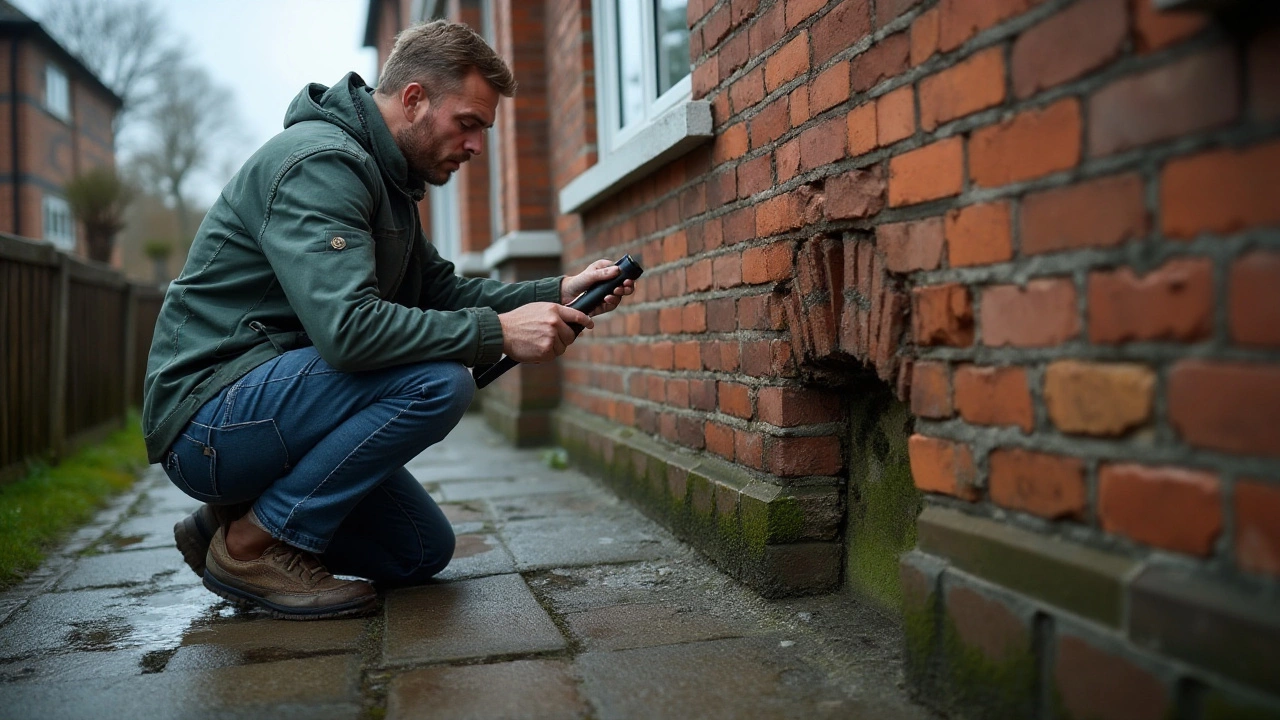
Identifying Water Damage in Your Home's Foundation
Water damage to a home's foundation can lead to significant structural issues if not identified and addressed promptly. This article explores the signs of water damage, what causes it, and the potential consequences if left untreated. Readers will also find tips on preventative measures and when to consult a professional. Recognizing and responding to these early signs can save homeowners from potential costly repairs.