Category: Commercial Construction - Page 2
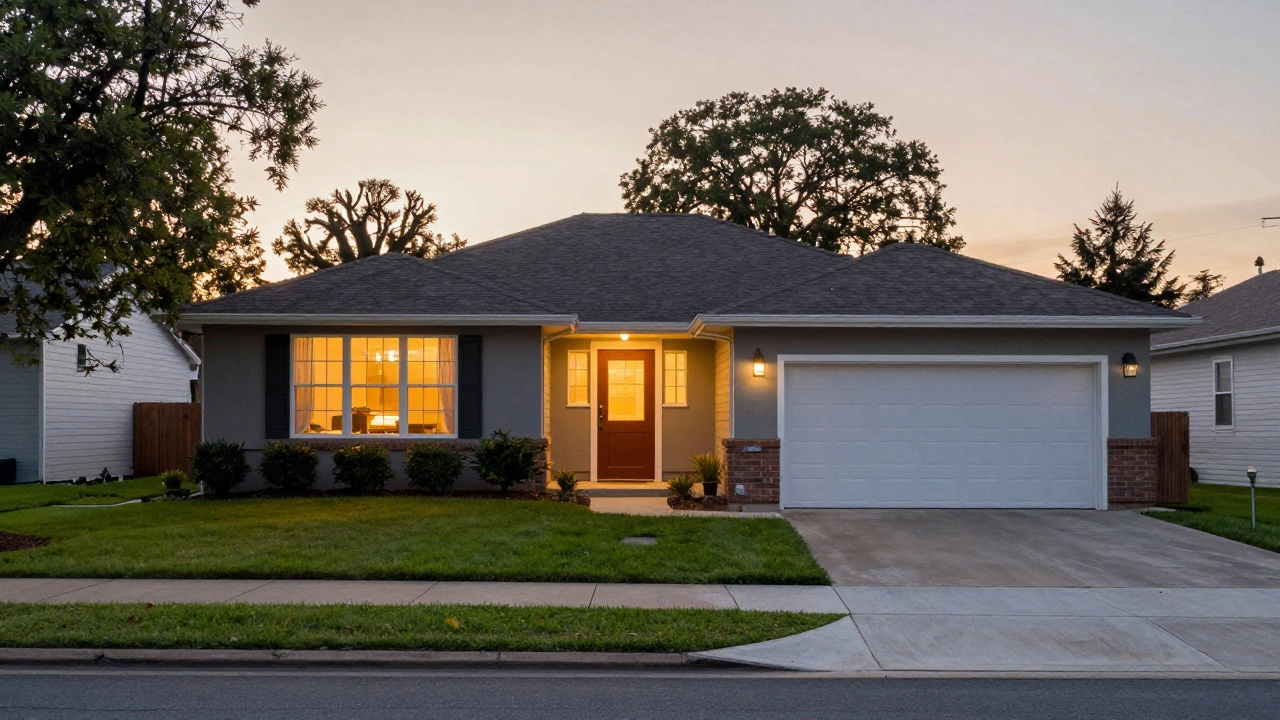
What Is the Opposite of Commercial Construction?
The opposite of commercial construction is residential construction-buildings designed for living, not business. Learn the key differences in purpose, codes, materials, and cost.
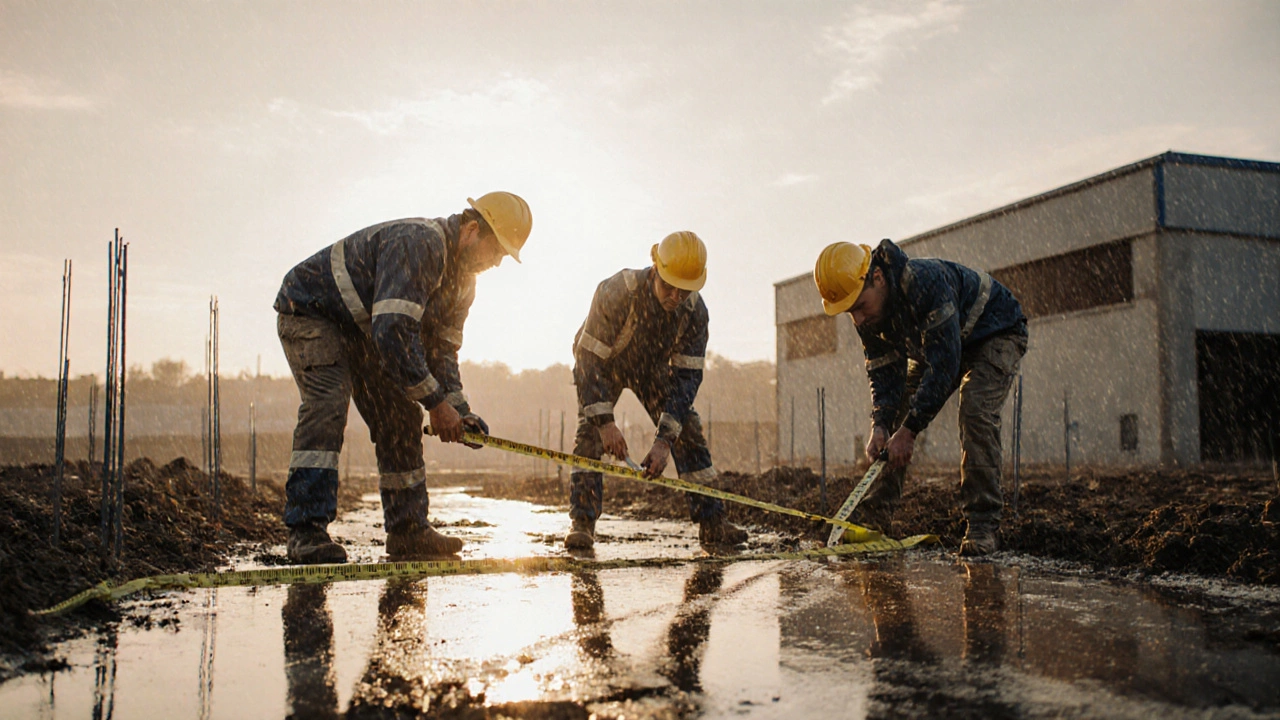
What Is the 3-4-5 Method in Building Construction?
The 3-4-5 method is a simple, reliable way to create perfect right angles in building construction using basic math and a tape measure. It's used by contractors worldwide to square foundations, walls, and frames without expensive tools.
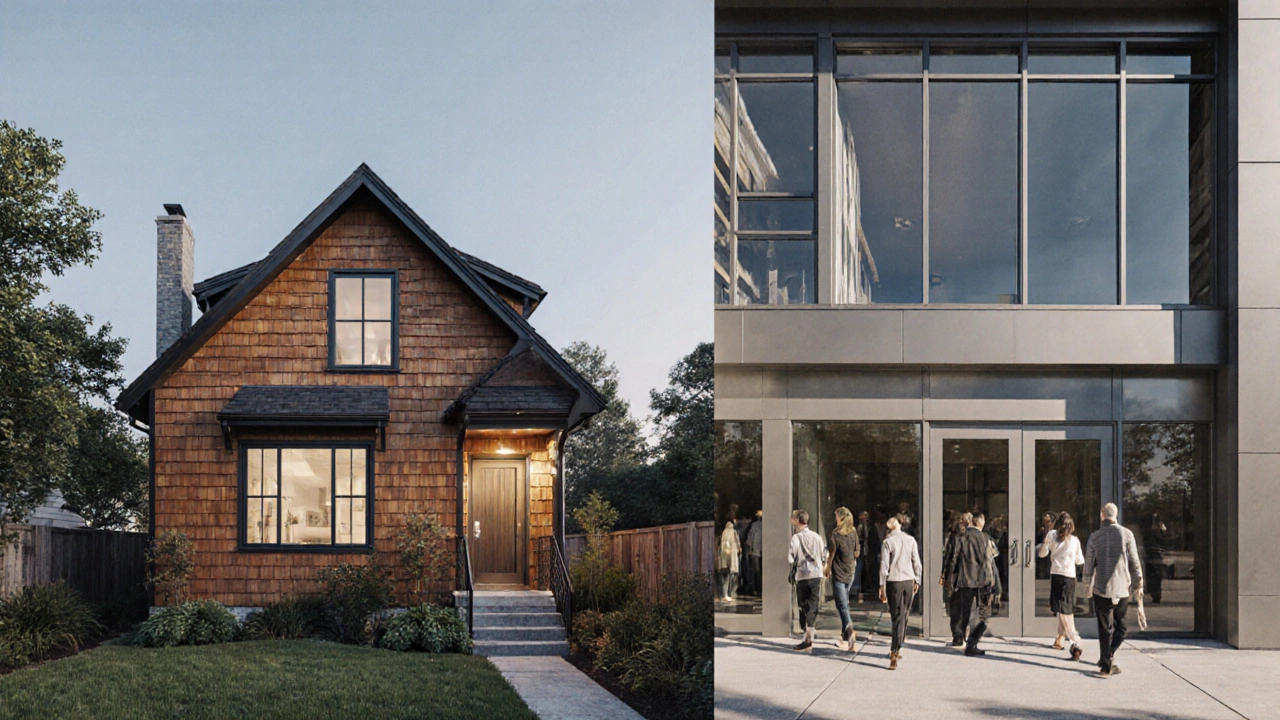
What Is the Major Difference Between Residential and Commercial Construction?
The major difference between residential and commercial construction lies in purpose, codes, materials, and scale. Homes are built for comfort; commercial buildings are built for function, safety, and high traffic.
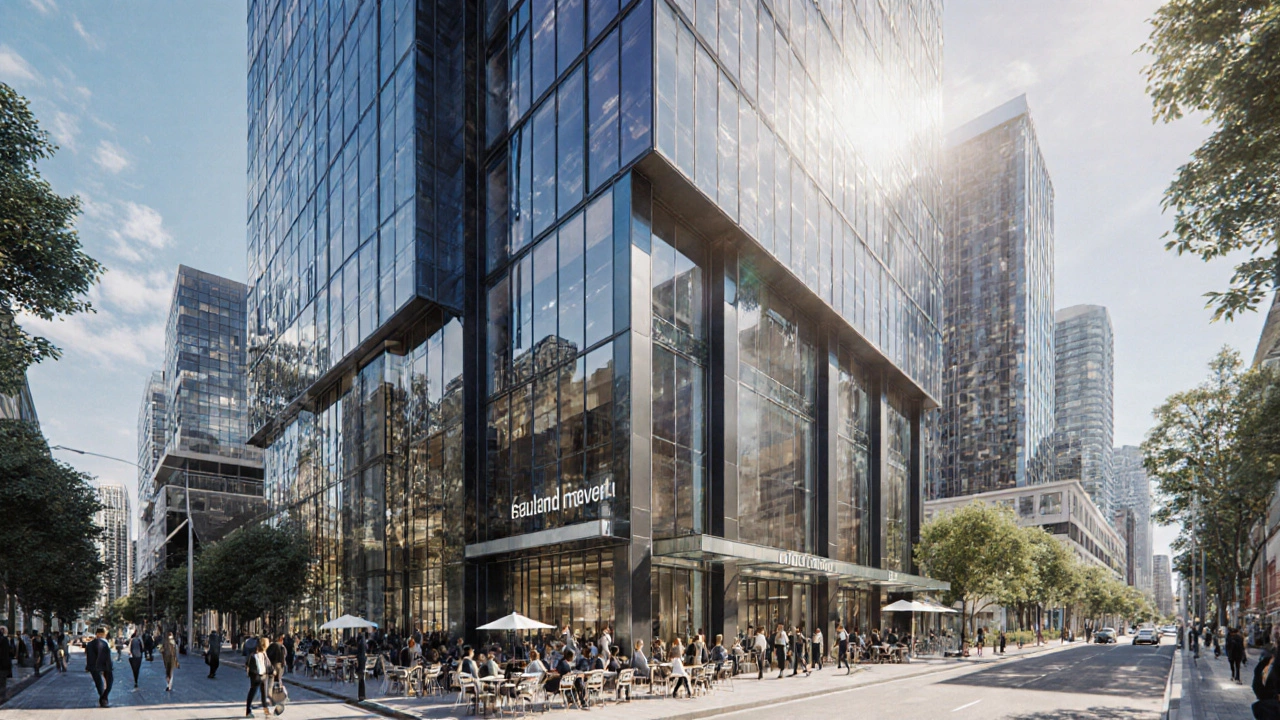
Commercial vs Industrial Construction: Key Differences Explained
Learn the core differences between commercial and industrial construction, covering purpose, design focus, costs, regulations, and real‑world examples.
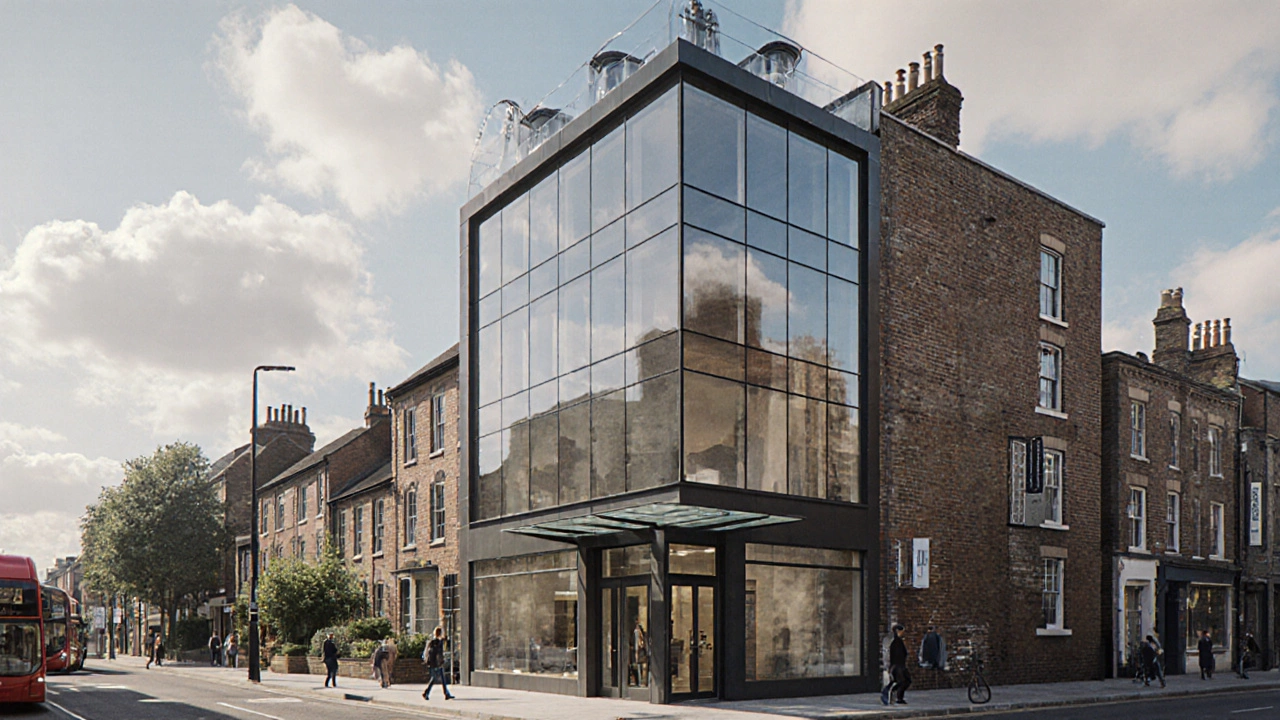
Defining a Commercial Building: Key Features & Requirements
Learn what defines a commercial building, from zoning and occupancy codes to design features, financial metrics, and a quick checklist for identification.
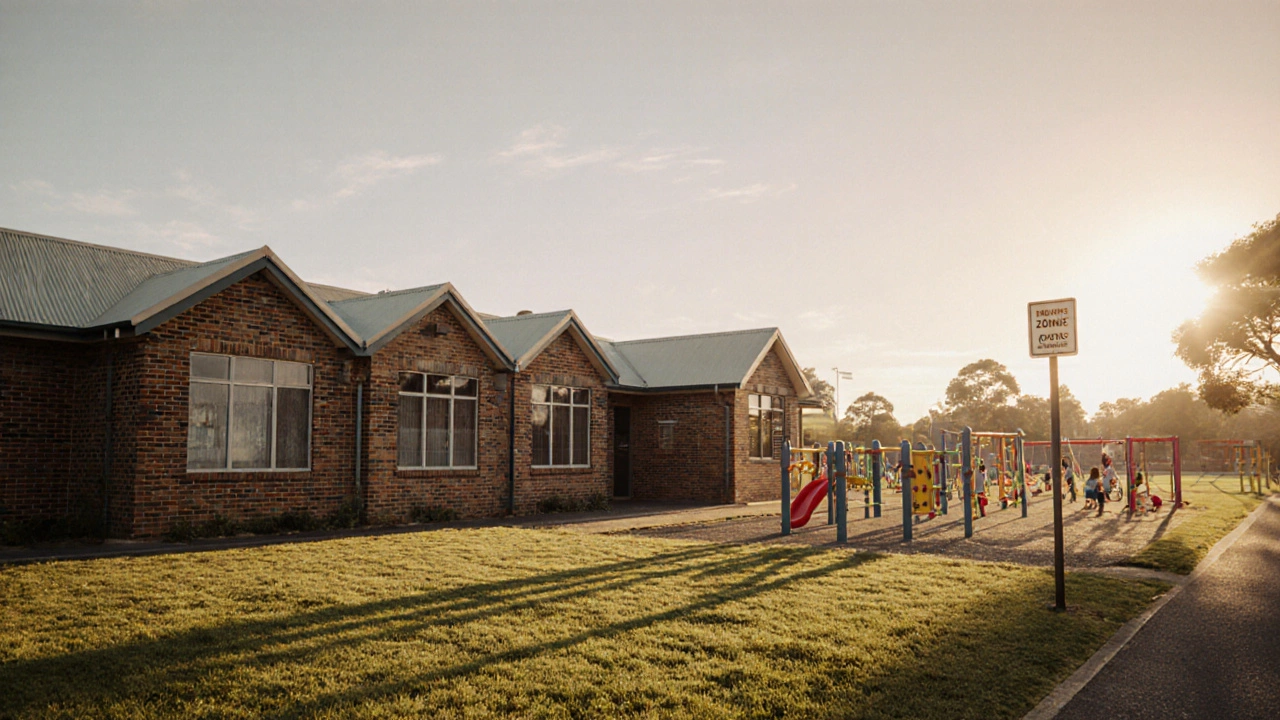
Is a School Built as Commercial or Industrial? Understanding NZ Building Classifications
Learn whether schools are classed as commercial or industrial in NZ, how this impacts zoning, building code compliance, fire safety, and insurance.
Civil vs Commercial Construction: Key Differences Explained
Explore the key differences between civil and commercial construction, from project purpose and funding to permits, design standards, and budgeting, with a handy checklist and FAQs.
Lower Tier Contractors Explained: What They Do and Why They Matter in Construction
Learn what a lower tier contractor is, how they fit into the construction industry, common roles they play, and what you should watch for when managing them.
Type 5 Construction: What Is It Called in Commercial Building?
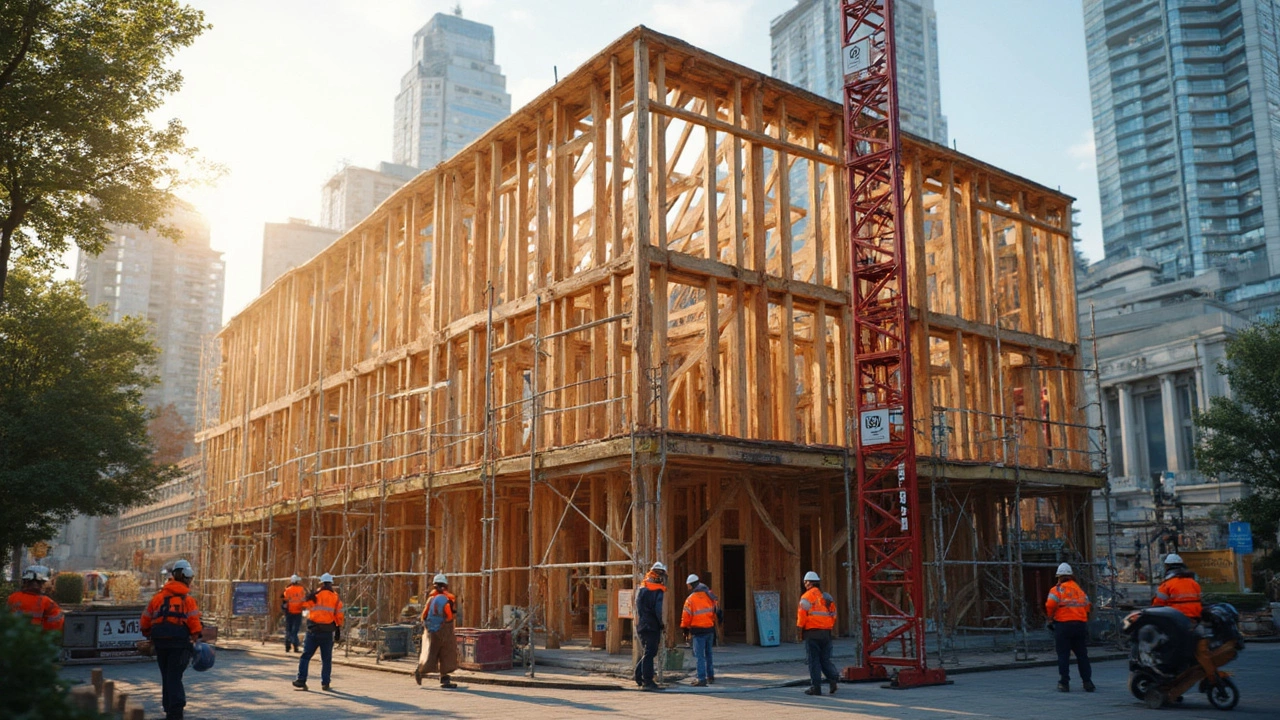
Curious about Type 5 construction? This article breaks down exactly what it means, why it's called 'wood-frame,' and where you'll spot it in commercial builds. We cover the nuts and bolts, the main rules, and what makes Type 5 different from the other types. You'll get practical tips about fire safety and insurance, plus learn which projects are a good fit for this approach. Perfect for anyone puzzled by the building code jargon or planning a commercial project on a budget.
Type C Construction: What It Means for Your Building Project
Type C construction is a term thrown around a lot in commercial building projects, but plenty of business owners and even some contractors aren’t totally sure what it covers. This article breaks down exactly what type C construction means, how it compares with other types, and when you’ll run into it. You’ll also get practical info about the codes, materials, and fire safety rules that go along with it. By the end, you’ll know if type C is the right fit for your build or upgrade.
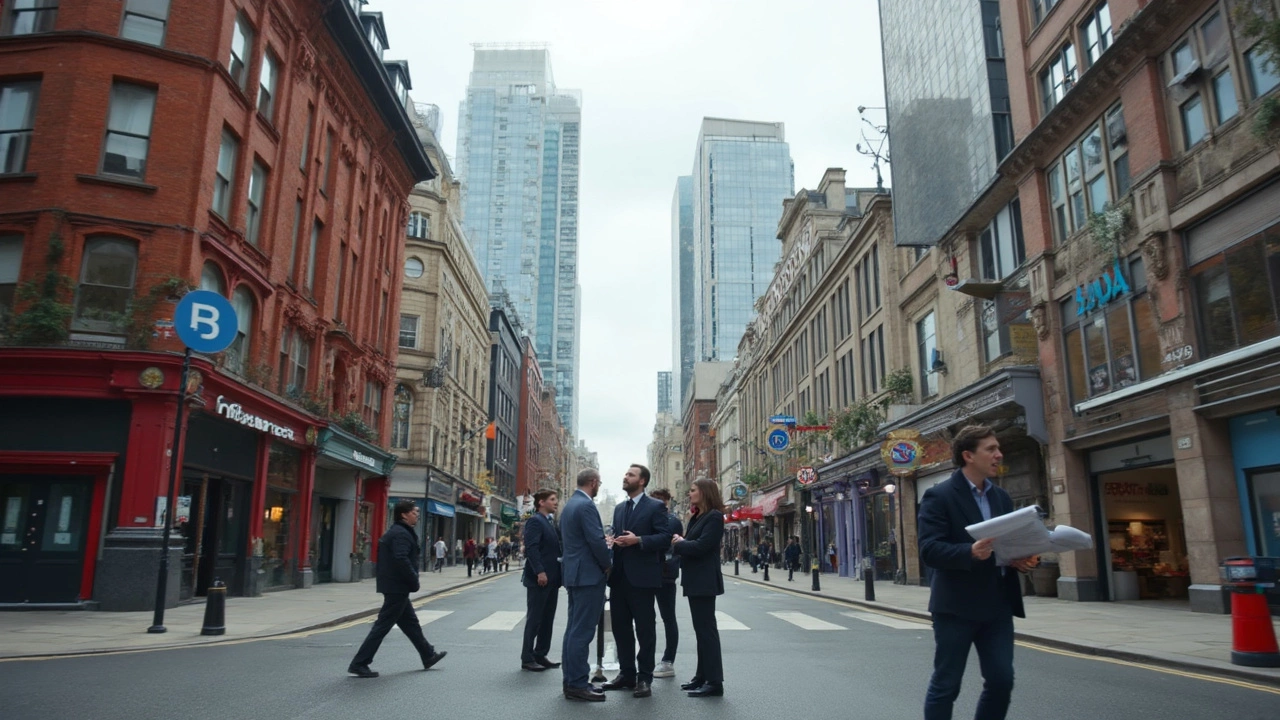
What Is Classified as Commercial? Understanding Commercial Construction Spaces
Curious what counts as a commercial building? This article breaks down what makes a property 'commercial' in the construction world. It covers which spaces fall into this category (and which don’t), why the classification matters, and some surprising facts about building codes and regulations. You’ll also find practical advice for anyone who needs to figure out if a project or property counts as commercial. Consider this your no-nonsense guide to commercial construction lingo.

Most Paid Job in Construction: Breaking Down the Top Earning Roles
Curious about which job brings home the biggest paycheck in construction? This article dives into the highest paid roles, from site managers to specialized trades, exploring what actually pushes their paychecks up. You'll learn why some workers earn so much compared to others, what it takes to get there, and a few practical tips for anyone wanting to reach the top bracket. We'll also look at current salary numbers and benefits. It's everything you need to know if you're aiming for a top-tier construction job.